






Manila Bulletin
 Philippines
National
Successive fuel hikes slash fishing hours, threaten livelihood of small fishers — fisherfolk group
Philippines
National
Successive fuel hikes slash fishing hours, threaten livelihood of small fishers — fisherfolk group
Philippines
National
Successive fuel hikes slash fishing hours, threaten livelihood of small fishers — fisherfolk group
Successive fuel hikes slash fishing hours, threaten livelihood of small fishers — fisherfolk group
By Jel Santos
Published Feb 3, 2026 03:15 pm


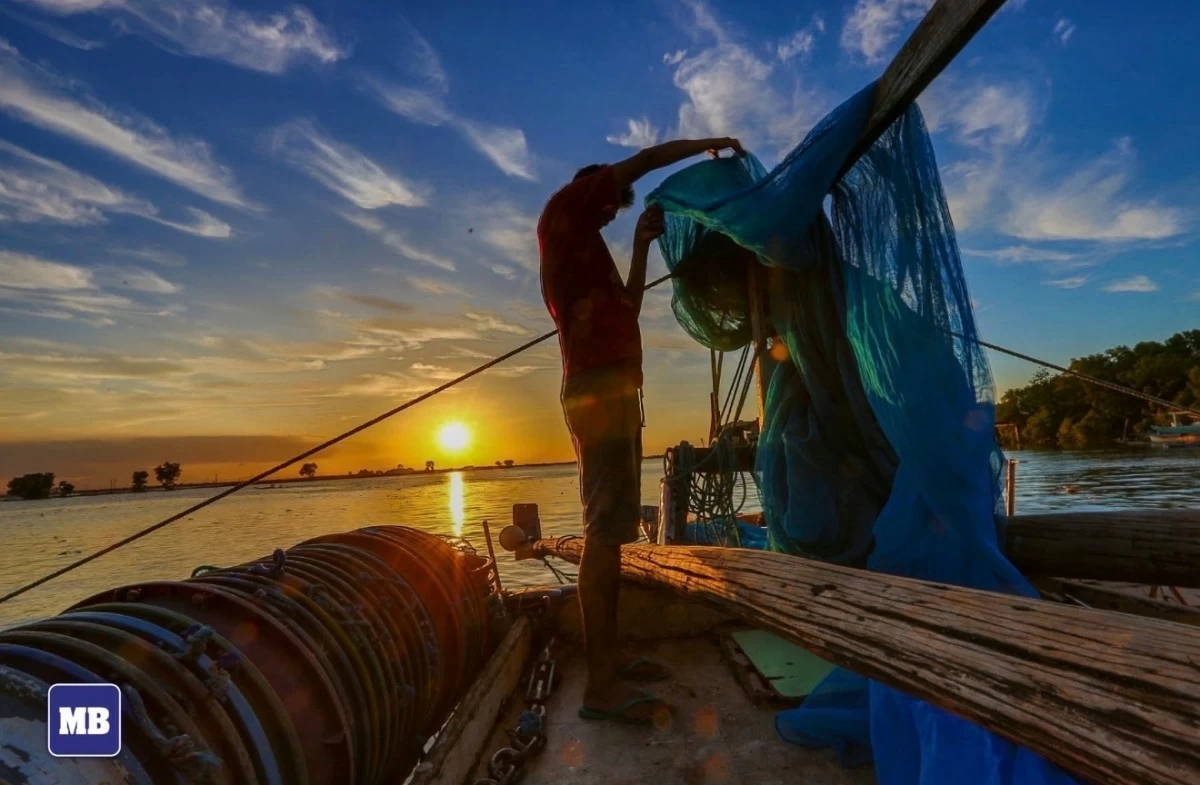
(MB FILE PHOTO)
Small-scale fishers are being forced to shorten their time at sea and brace for shrinking incomes as successive oil price hikes sharply drive up production costs, progressive fisherfolk group Pambansang Lakas ng Kilusang Mamamalakaya ng Pilipinas (Pamalakaya) said on Tuesday, Feb. 3.
In a statement, Pamalakaya slammed the fifth consecutive week of fuel price increases, saying soaring diesel costs have pushed municipal fisherfolk to scale back fishing activities just to cope.
“Mula sa karaniwang anim hanggang walong oras sa laot, nasa apat na oras na lamang ang ginugugol ng mga mangingisda dahil ito lamang ang inaabot ng kanilang krudo. Kaya nangangahulugan ito ng pagliit din ng kanilang kita (From the usual six to eight hours at sea, fishers now spend only about four hours because that is all their fuel can afford. This therefore means a reduction in their income),” Pamalakaya Chairperson Fernando Hicap said.
The fishers group stressed that fuel now eats up as much as 80 percent of total fishing production costs, leaving little room for earnings among small fishers who rely on daily catches to support their families.
To cushion the impact of rising fuel prices, Pamalakaya urged the Marcos Administration to adopt what it called “doable measures,” including the suspension of excise taxes on fuel products, the reversal of oil industry deregulation through the repeal of the Oil Deregulation Law, and the immediate rollout of sufficient production subsidies for affected sectors such as fisherfolk and farmers.
“Suspension of fuel tax along with sufficient rollout of production subsidies will mitigate the impacts of the oil price hike and increase the productivity in the fishing sector,” said Hicap.
As such, the fisherfolk group called on authorities to address what the group described as abusive practices in the oil industry.
“Moreover, the fraudulent practice of giant oil companies in overpricing and manipulation of oil products has to stop,” Hicap said.