






 Business
Trade & Industry
After banana rebound, DA eyes aggressive export push for high-value crops
Business
Trade & Industry
After banana rebound, DA eyes aggressive export push for high-value crops
After banana rebound, DA eyes aggressive export push for high-value crops


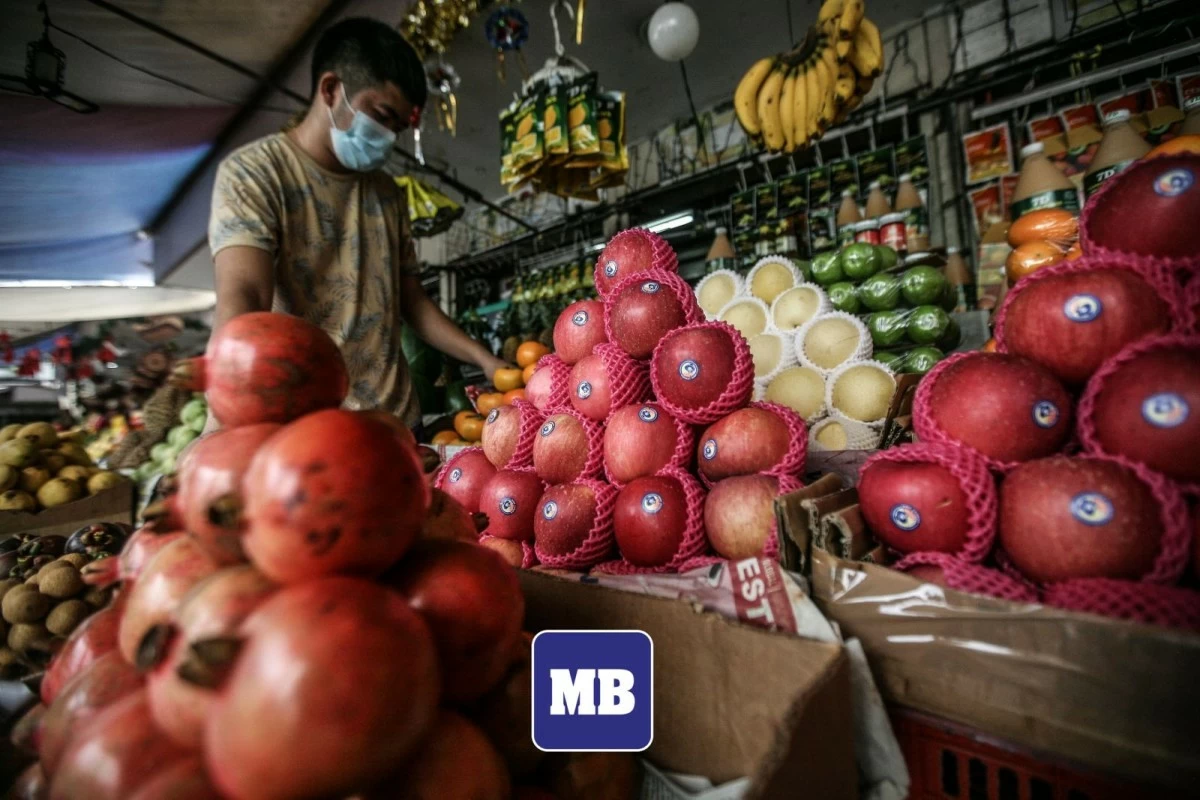
The government is banking on intervention programs aimed at strengthening local production of high-value crops as it ramps up plans for an aggressive export push, the Department of Agriculture (DA) said.
Agriculture Secretary Francisco Tiu Laurel said the government is keen on replicating the success of programs that helped the Philippines reclaim its position as the world’s second-largest banana exporter last year.
“Many thought the banana industry was in decline. This is proof of concept that when interventions are done right, we can reverse the trend,” Tiu Laurel said in a statement.
In a report by the Food and Agriculture Organization (FAO), the Philippines was estimated to have reached 2.93 million metric tons (MT) in banana exports in 2025, trailing only top exporter Ecuador.
The Philippines reclaimed second place after two years of slipping to third, following its recovery from damage caused by pests and extreme weather conditions, according to FAO.
The DA said its High Value Crops Development Program, which rolled out more than 100,000 planting materials last year, was integral to expanding and rejuvenating the country’s banana output.
The program also distributed around 120,000 units of organic fertilizer to restore soil health and deployed more than 215,000 biological control agents to strengthen plant resilience against pests and reduce postharvest losses.
Building on these gains, Tiu Laurel said the DA will scale the approach across other high-value crops as a springboard to widen shipments abroad.
“If disease risks are managed and investments sustained, the DA’s strategy could reposition the Philippines not just as a major supplier, but as a more diversified and resilient agricultural exporter,” he said.
To expand the country’s export portfolio, the DA will focus on promoting 10 high-value crops with strong growth potential overseas.
These include asparagus, avocado, cacao, calamansi, coffee, dragon fruit, durian, okra, pomelo, and rambutan.
The identified crops are commodities the country is expected to supply consistently to overseas markets without disruption.
In November last year, Tiu Laurel said exports would be a major focus this year as the government aims to take advantage of tariff exemptions on Philippine agricultural products shipped to the United States (US).
Former US President Donald Trump had previously issued an executive order granting exemptions from reciprocal tariffs for agricultural products not produced in the US.
Tiu Laurel said the government’s export strategy for agricultural products will adopt a whole-of-government approach, with agencies acting as “salesmen” for Philippine commodities.
Data from the Philippine Statistics Authority (PSA) showed that the country exported $7.44 billion worth of agro-based products last year, up 25 percent from $5.96 billion in 2024.
Exports of fruits and vegetables rose by 24.5 percent to $2.94 billion from $2.36 billion, with bananas accounting for $1.68 billion, or more than half of the total.