







Should we be worried about the Nipah virus?
A new outbreak and the ongoing threat of pandemics
Published Feb 2, 2026 10:55 pm


At A Glance
- There is no approved treatment, and there is no effective vaccine against the Nipah virus.

Last week, several Asian countries tightened their screening procedures for incoming travelers following reports of a Nipah virus outbreak in West Bengal, India. According to the briefings, there are at least two confirmed cases (not five, as earlier reported), along with nearly 200 close contacts under quarantine. What is the Nipah virus, and is it a threat to us in the Philippines?
Nipah virus is a zoonotic (transmitted by animals) virus found in fruit bats that can infect humans and other mammals. Fruit bats do not develop any symptoms of infection but instead act as carriers of the virus. Ingestion of half-eaten fruit contaminated with bat saliva is a common route of infection for animals. Contact with urine or feces from infected bats can also cause infection. Pigs and horses often serve as intermediate hosts for the Nipah virus that then infects humans. Humans usually acquire infection through exposure to infected secretions from the sick animal or through handling and consumption of infected meat. Human-to-human transmission has also been documented, but usually requires close contact with the infected person. Since bats can fly, the Nipah virus has been reported in many parts of South and Southeast Asia.
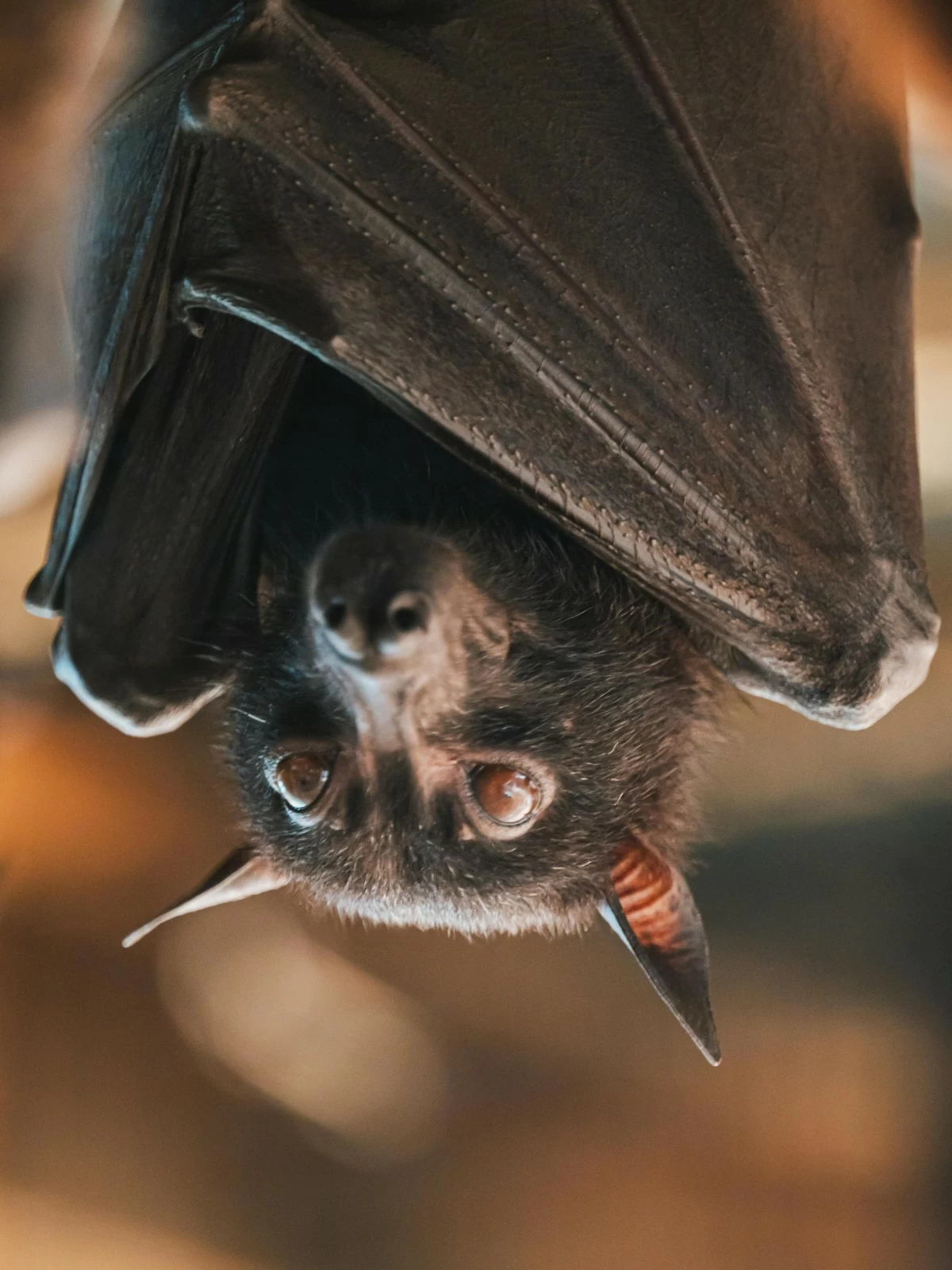
BEWARE THE BATS Bats are known carriers of the Nipah virus, which can infect humans and other mammals.
Nipah virus infection was first described in 1998 in Malaysia during an outbreak among pig farmers near the Nipah River (hence the name), and the virus itself was first isolated in 1999. Since then, there have been periodic outbreaks in different parts of the world, particularly in India and Bangladesh. The Philippines had a Nipah virus outbreak in 2014 in Sultan Kudarat. It was traced to infected horses, which were slaughtered and consumed by the human victims. The horses likely got infected from eating leftover fruit that fruit bats had eaten. Out of 17 suspected cases, nine people died. This fatality rate is within the 40 to 70 percent average mortality seen with the Nipah virus. The Sultan Kudarat outbreak was controlled with standard quarantine precautions using isolation, aggressive case-finding, and judicious use of personal protective equipment. Since the virus is not airborne and the incubation period is usually four to 14 days, quarantining people for 30 days and observing them for symptoms can interrupt the transmission cycle. The virus does not seem to persist in human hosts, although longer incubation periods up to 45 days have been observed on rare occasions.
The severity of Nipah virus infection in humans can range from an asymptomatic infection to a fulminant encephalitis (brain swelling). Typical symptoms include a flu-like illness with cough and cold, as well as fatigue, joint pains, and headache. Symptoms of encephalitis include increased sleeping time, confusion, personality changes, seizures, and an eventual lapse into a coma. More than half of infected people usually die during an outbreak, and this is the reason why many people are so scared of Nipah.
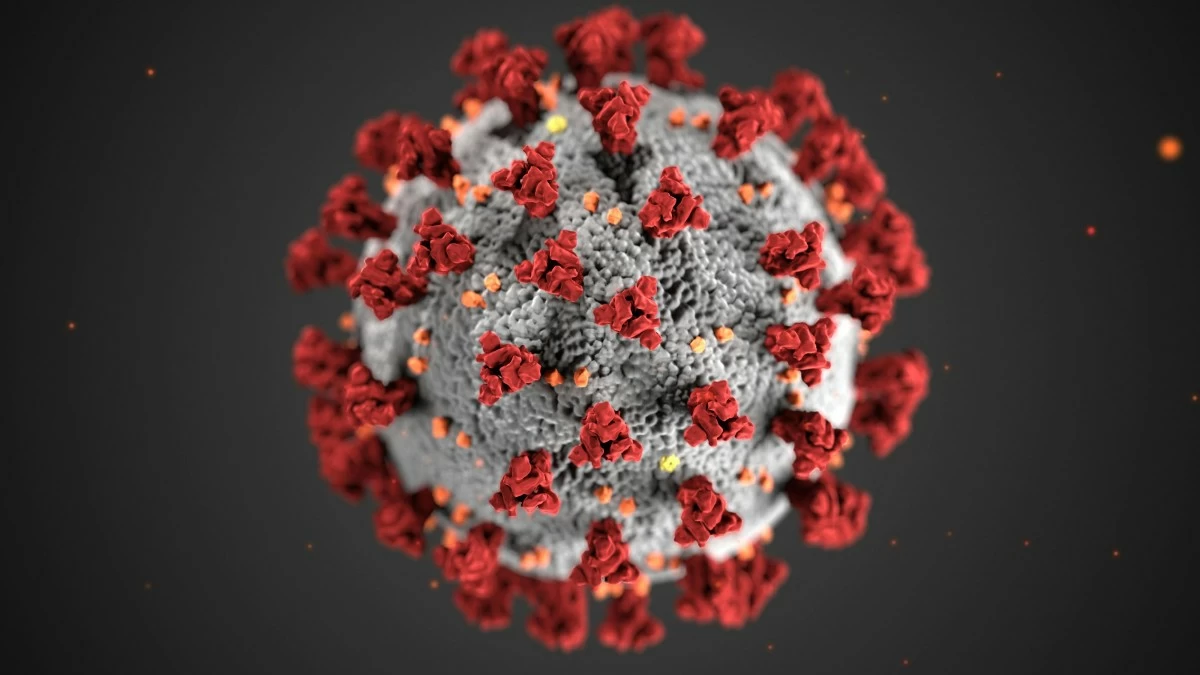
KNOW THE SIGNS Nipah virus symptoms include fever, headaches, and difficulty breathing.
There is no approved treatment, and there is no effective vaccine against the Nipah virus. Some antivirals, including ribavirin, favipiravir, and remdesivir (the drug used to treat Covid-19), have been tried, but there is no consistent evidence showing efficacy. Other treatments that show promise are targeted therapies like monoclonal antibodies that block the virus from infecting the body’s cells. At least one vaccine candidate has been developed. Due to the rarity and sporadic nature of the disease, however, it has been very difficult to do a full-blown clinical trial for safety and efficacy.
The last Nipah outbreak that caused countries to tighten their screening procedures occurred in 2023 in Bangladesh and India. The outbreak was managed by designating containment zones, and the response was also informed by the experiences from the Covid-19 pandemic. The Philippines was on heightened alert, like many other countries in the region. Fortunately, we did not encounter any suspected local cases at that time.
The current outbreak in India, like previous outbreaks, has the potential to spill over to other communities and countries if not properly managed. As of press time, India has announced that it has contained the outbreak and that aside from the two confirmed cases, all the other close contacts have tested negative. It remains to be seen, however, if there are subsequent cases from the area since the infected bats and animals might still be present. Travel records also have to be checked to make sure no cases were missed and that these cases did not travel out of the area. Outbreak response, especially when zoonotic diseases are involved, requires coordination with different government agencies, including the Department of Health, the Department of Agriculture, the Immigration Bureau, and even the Department of Tourism.
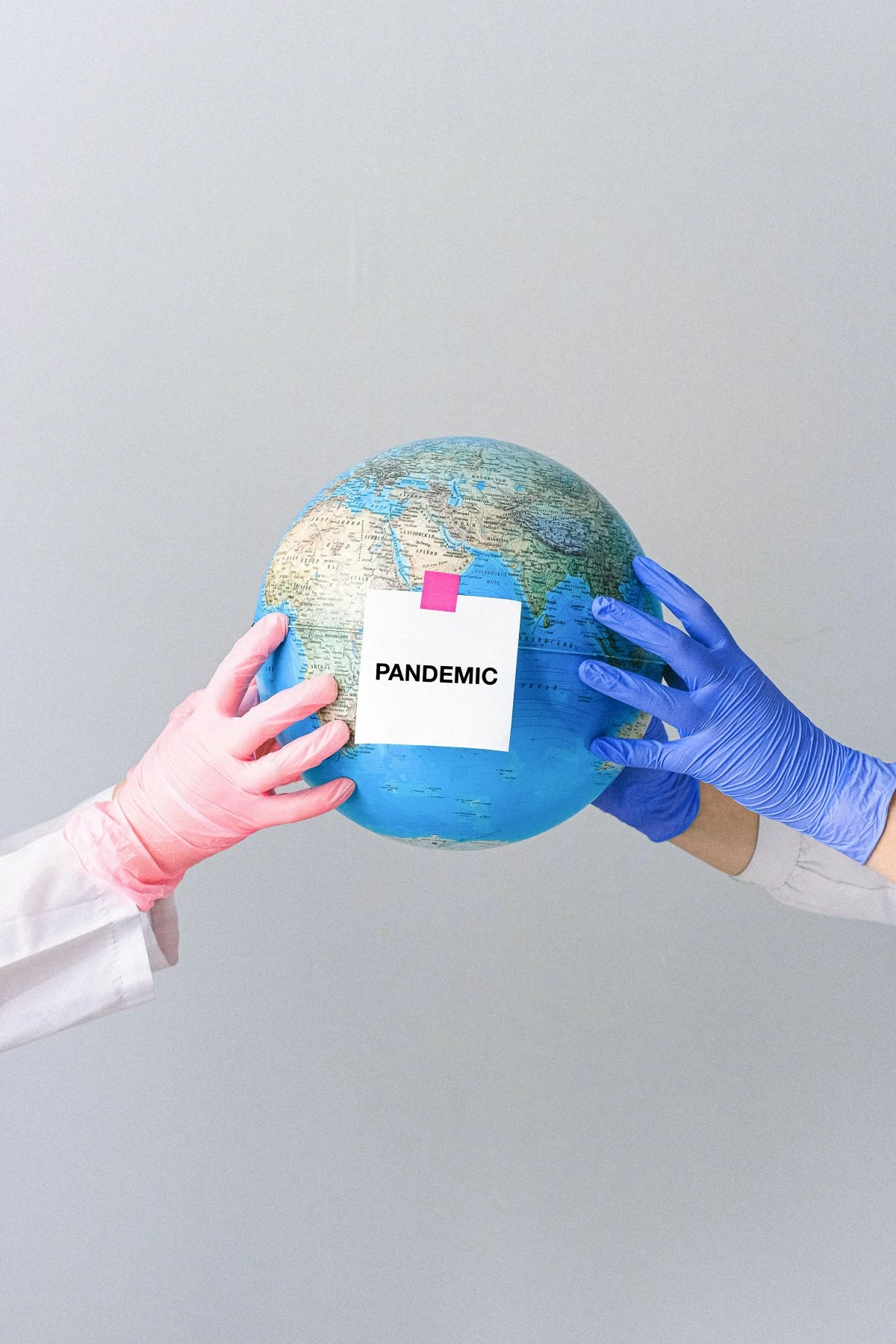
KEEP IT CLOSED A swift reaction across all departments are needed to prevent another global pandemic if more cases spread.
Nipah virus is one of several closely related viruses in the Henipaviridae genus, which have been found in bats, but only one other henipavirus is known to cause zoonotic disease in humans. The Hendra virus was discovered in Australia in 1994 and was the first henipavirus to be found. It starts out as a flu-like illness similar to Nipah and can progress to severe pneumonia, pulmonary hemorrhage, and viral encephalitis with a similarly high mortality rate. The name of the genus is derived from the combination of the Hendra and Nipah virus names. The Langya virus (Parahenipavirus langyaense) is a closely related virus that was detected in China from 2018 to 2022 and was traced to shrews. Langya virus, despite its meme-inducing name for those who speak Filipino, causes a much milder disease, with fever, fatigue, and cough being the most common symptoms. It does not seem to be transmitted from human to human, and there have been no reported fatalities.
Nipah virus and its related virus cousins present an ongoing threat of repeated outbreaks of human infection. Henipaviruses have low pandemic potential in general due to the low potential for human-to-human transmission, but as we have seen in the Covid-19 pandemic, these viruses can sometimes stumble onto a beneficial mutation that can increase their transmissibility and pathogenicity. The more infections occur, the more chances the viruses have to mutate. These infections are a direct result of the encroachment of humans into previously forested areas and the shrinking habitats available to bats and other wild animals. While efforts are underway to develop effective medications and vaccines, the best approach to preventing the next pandemic threat from these viruses is the One Health approach being advocated by the World Health Organization. One Health is a recognition that the health of humans, animals, plants, and the environment is interconnected, and an integrated approach is essential to optimizing outcomes for everyone. Following the lessons of the Covid-19 pandemic, these occasional outbreaks are a reminder that we cannot afford to be complacent and that our continued health rests on a unified and collective effort across disciplines and across nations.