







Airlines urge airport upgrades as domestic airfares soar


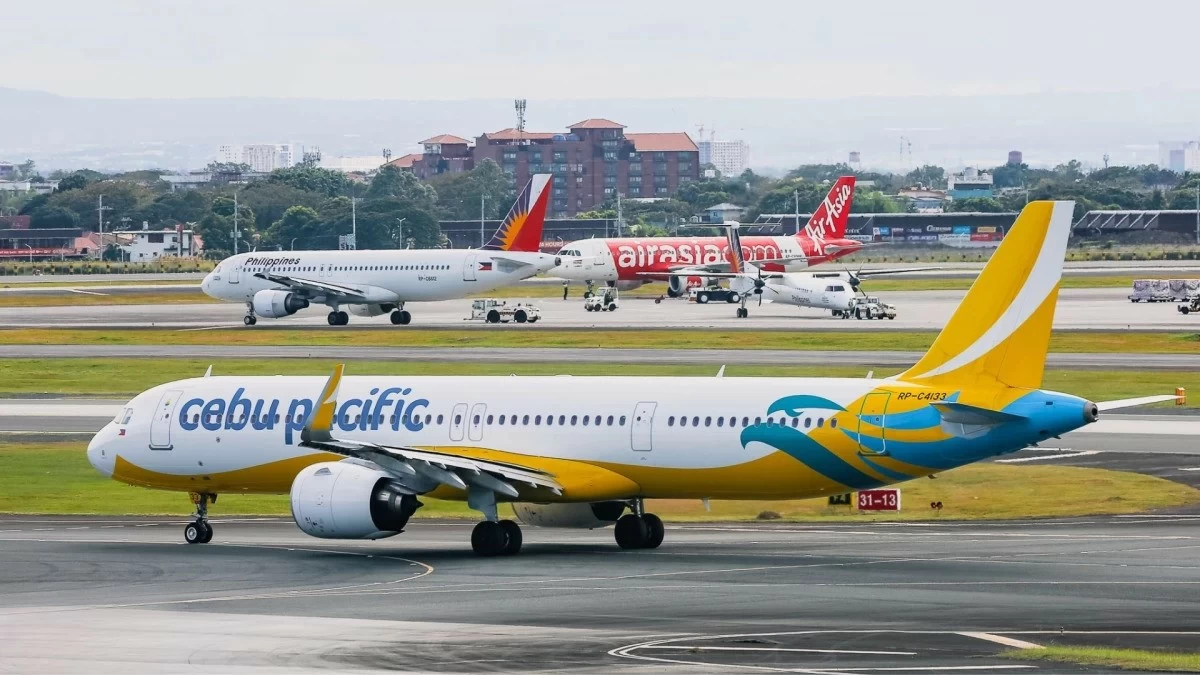
As airfares on domestic routes continue to soar above those for international destinations, the country’s leading airlines are calling for much-needed investments in regional airports to lower operating costs and make travel more affordable for Filipinos.
In a statement, the Air Carriers Association of the Philippines (ACAP) said it welcomes the government’s push to reduce domestic ticket prices amid criticism that flying abroad is cheaper than traveling to popular local destinations such as Siargao.
ACAP said the move is particularly vital as domestic passenger volumes have already exceeded pre-pandemic levels, signaling a healthy market.
However, the industry group stressed that cost pressures—such as airport charges, taxes, and infrastructure constraints—continue to keep operating costs high for airlines, which are ultimately passed on to passengers.
High airfares to popular destinations are feared to dampen demand at a time when the country is working to revive tourism and its broader economic benefits.
Malacañang confirmed last week that Transportation Secretary Giovanni Lopez negotiated with flag carrier Philippine Airlines (PAL) and low-cost carrier Cebu Pacific to lower ticket prices.
The airlines reportedly complied with Lopez’s request to reduce airfares, particularly on flights to Siargao.
ACAP, however, said airfares are only one component of overall travel costs, noting that the government should focus on long-term solutions to reduce expenses and improve the country’s connectivity.
“On some airports with short runways, airlines operate smaller turboprop aircraft with fewer seats, resulting in higher costs per seat, making it challenging to sustainably and affordably serve some domestic markets,” the group said.
Earlier, the Civil Aeronautics Board (CAB) attributed rising airfares to the limitations of regional airports, which can accommodate only smaller aircraft carrying fewer than 100 passengers, compared with an A330 that can seat up to 459.
“If there are fewer passengers, the cost per passenger is higher, resulting in higher airfares,” CAB said.
Meanwhile, the Department of Transportation (DOTr) said it is working on upgrading regional airports by extending runways to handle larger jets.
The DOTr recently expanded the runway of Calbayog Airport in Samar Island and is now coordinating with local carriers to begin operating larger aircraft at the gateway.
ACAP said it is open to collaborating with the government and other stakeholders to find more ways to make domestic air travel more affordable and accessible to the public.
“We share the goal of growing tourism and keeping people and goods moving across the country,” it said.
Members of ACAP include PAL and its low-cost unit PAL Express, Cebu Pacific and its regional arm Cebgo, and AirAsia Philippines.