






 Philippines
Metro Manila
Carmona LGU rolls out literacy project for out-of-school children, youth
Philippines
Metro Manila
Carmona LGU rolls out literacy project for out-of-school children, youth
Carmona LGU rolls out literacy project for out-of-school children, youth


At A Glance
- Project LAPIS also includes parents in the learning process, with plans to provide them with skills training while their children attend literacy sessions.
CARMONA CITY, Cavite – The local government unit (LGU) rolled out a literacy program for out-of-school children and youth called the Learning Assistance Program and Inclusive Support (Project LAPIS).
The program is designed to augment the Department of Education’s Academic Recovery and Accessible Learning (ARAL) Program, which addresses learning gaps in reading, mathematics, and science in school.
In an interview with the Manila Bulletin on Monday, Feb. 2, the Community Affairs and Youth Development Office officer-in-charge Leonard Danniel M. Diaz said the project was initiated after data from the Sangguniang Kabataan showed there were 463 out-of-school children and youth in the city in 2025.
The program was officially introduced to the community on Jan. 24 by the LGU, alongside its partners: the Carmona Children's Federation, Iskolar ng Bayan ng Carmona, Layag Kabataan, JCI Carmona, and the Rotaract Club of Carmona.
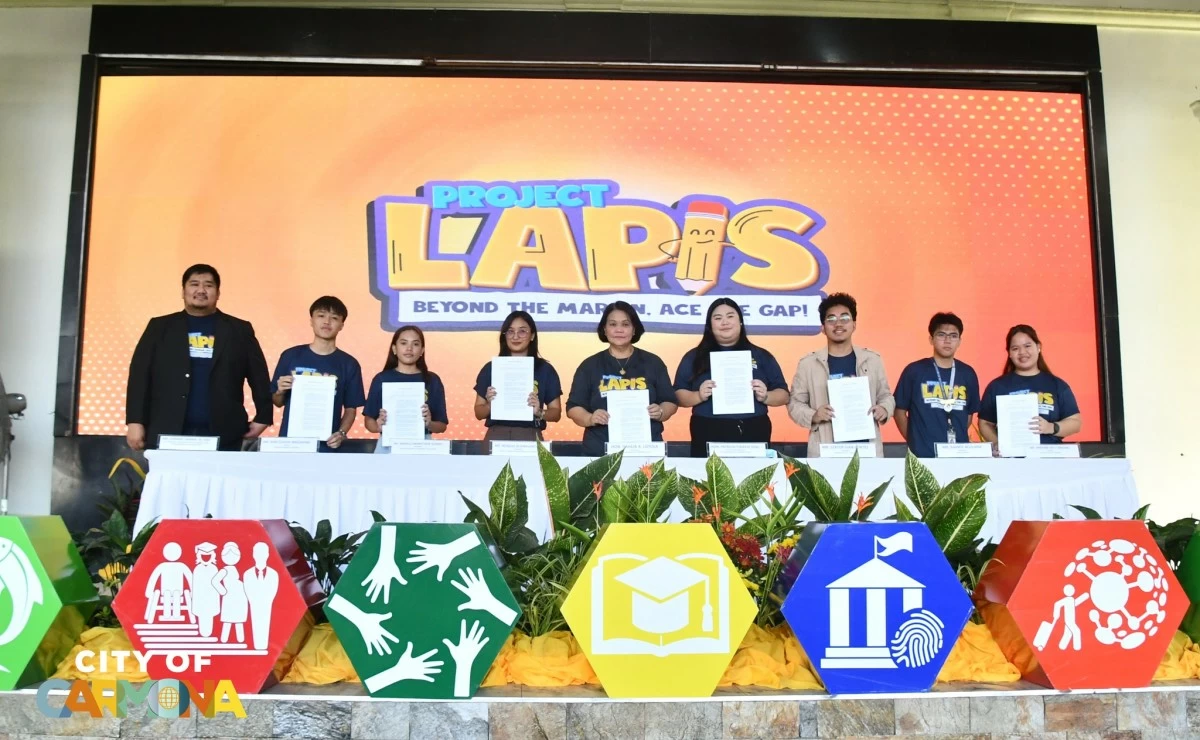
“Ang naturang proyekto ay bunga ng isang multi-sectoral at community-based collaboration na naglalayong maisulong ang inklusibo, pantay, at dekalidad na edukasyon, alinsunod sa Sustainable Development Goal 4 na Quality Education (The project stems from a multi-sectoral and community-based collaboration that seeks to advance inclusive, equitable, and quality education, aligned with SDG 4, Quality Education),” Mayor Dahlia A. Loyola said in a Facebook post.
On Saturday, Jan. 31, Project LAPIS, led by program head Carl James Bugarin, was launched at its pilot site in Barangay Milagrosa.
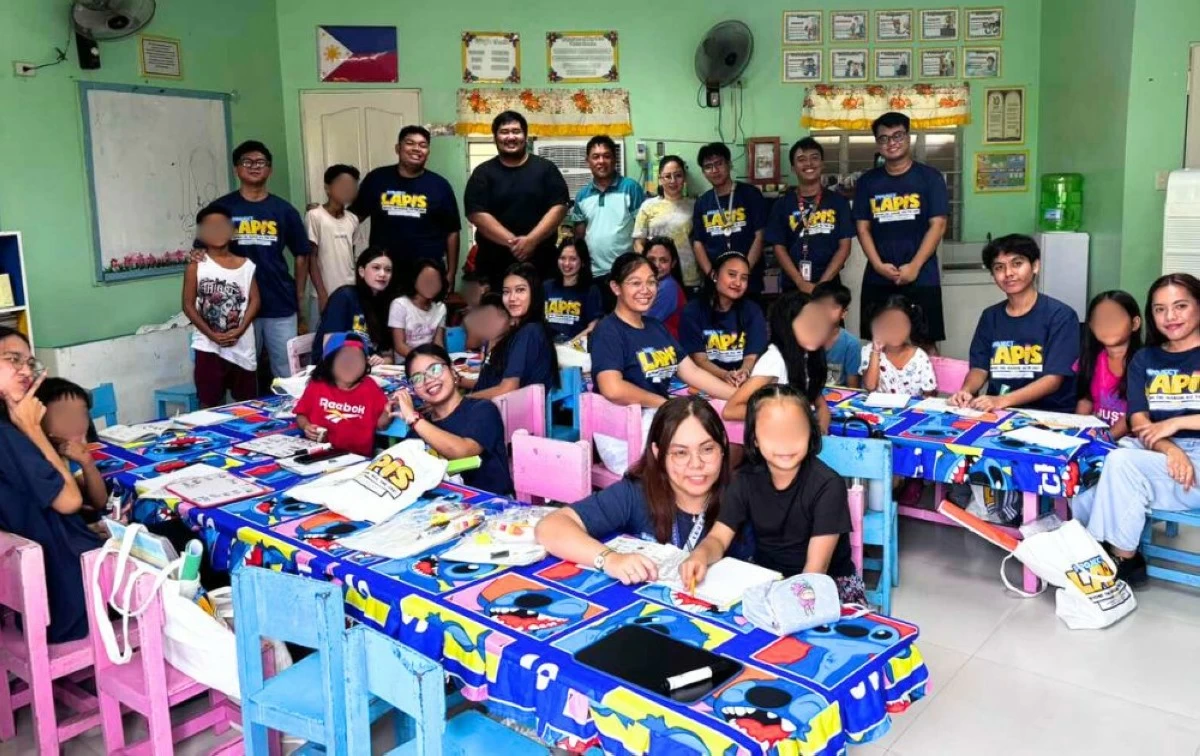
“Nakakatuwa kasi maraming organizations na ang nag-reach out sa amin at gustong maging bahagi ng programa (We are encouraged because many organizations have reached out to us and expressed interest in being part of the program),” Diaz said.
The program runs in three-month batches. After pilot testing in Barangay Milagrosa, the team will add more barangays per batch until all Project LAPIS venues are fully operational.
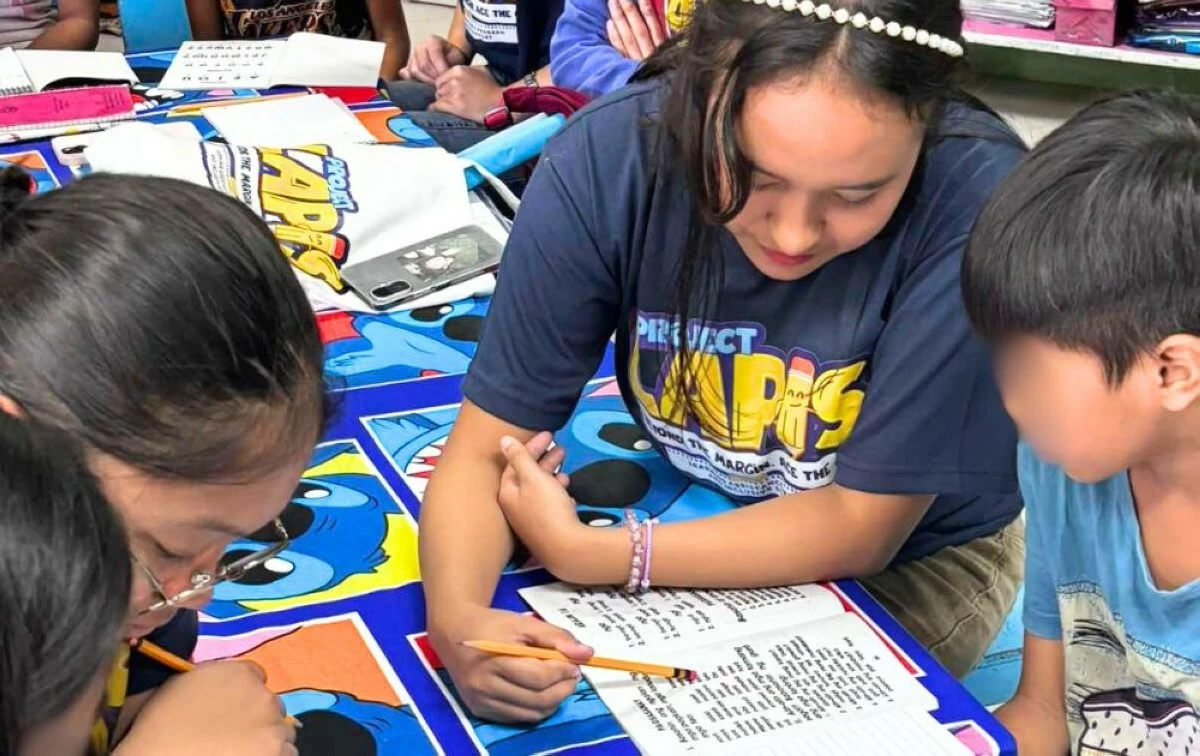
Although still in its initial phase, the team said it is pleased to receive positive feedback from the community, especially from beneficiaries' families.
“May case po na magkapatid, eight years old pati 10 years old, both out-of-school children. Hindi pareho nakakabasa, hirap pa makapagsulat. Solo parent ang nanay nila (We have a case involving two siblings, aged eight and 10, who are both out-of-school children. Neither of them can read yet, and they are still struggling with writing. They are being raised by a solo parent),” Diaz shared.
“Sounds ng letter and writing ng pangalan ang itinuro sa kanila. Sa part namin, good start ito. Nag-reach out sila kasi naniniwala sila sa programa (We started by teaching them letter sounds and how to write their names. For us, that is already a good start. They reached out because they believe in the program).”
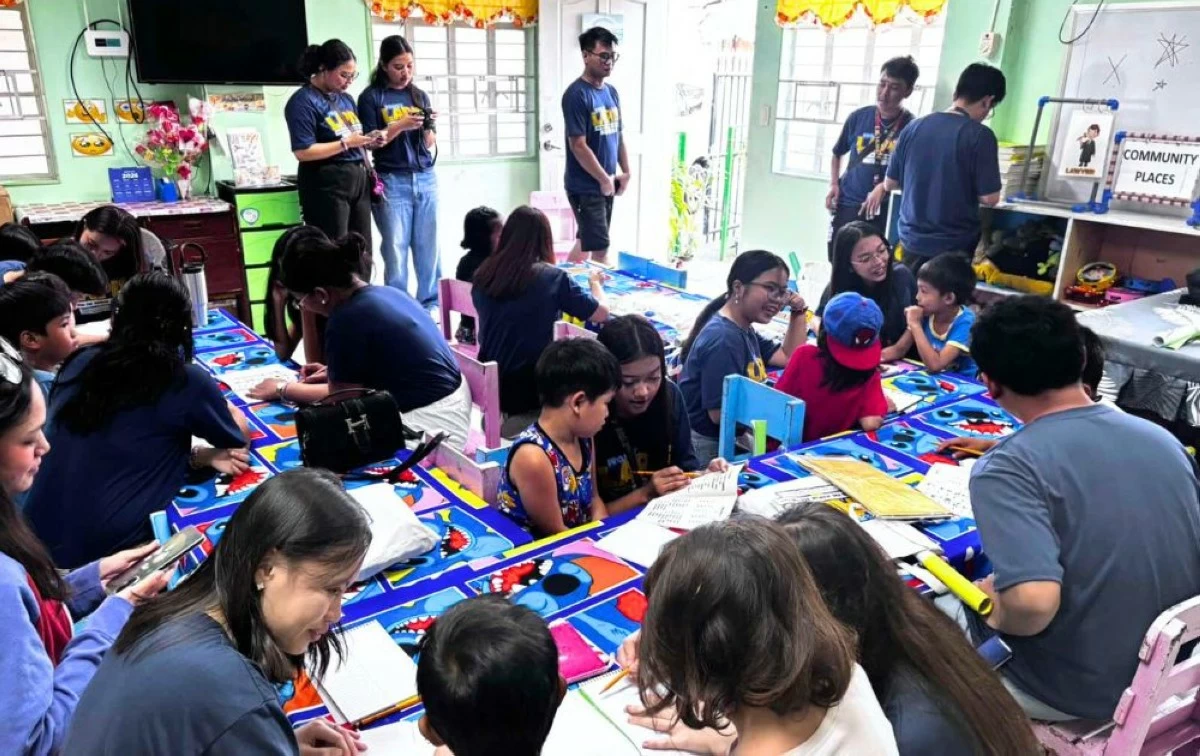
Project LAPIS also includes parents in the learning process, with plans to provide parents with skills training while their children attend literacy sessions.
The city government hopes the program will not only improve the city’s literacy rate but also equip beneficiaries with the knowledge needed to pursue formal schooling.