






Manila Bulletin
 Lifestyle
Fashion and Beauty
These female artisans continue to thread the loom to keep the Philippines' weaving heritage alive
Lifestyle
Fashion and Beauty
These female artisans continue to thread the loom to keep the Philippines' weaving heritage alive
Lifestyle
Fashion and Beauty
These female artisans continue to thread the loom to keep the Philippines' weaving heritage alive
These female artisans continue to thread the loom to keep the Philippines' weaving heritage alive
Women who continue to weave
By John Legaspi
Published Jan 30, 2026 03:30 pm


At 101 years old, Magdalena Gamayo continues to weave inabel in Pinili, Ilocos Norte. Through the years, she has mastered the tapestry’s intricate patterns, from binakol and inuritan to kusikos and inubon a sabong. She has dedicated her life to preserving the ancient craft, which led her to become one of the National Living Treasures of the Philippines.
But her legacy doesn’t stop there. Much like the women before her, Lola Magdalena is passing on the techniques, skills, and passion needed to keep inabel from vanishing. The challenge now is to find new artisans who will uphold the craft and ensure it is passed on to the next generation.
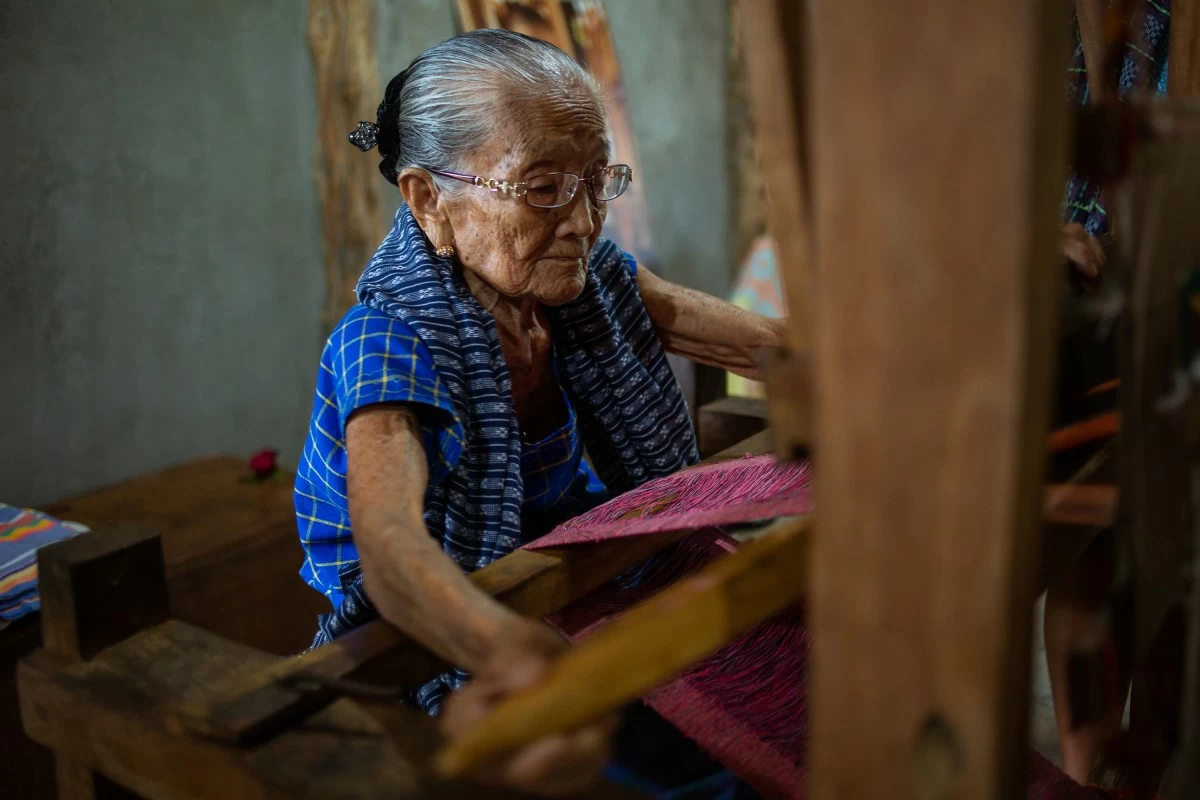
At 99 years of age Magdalena Gamayo is the oldest living GAMABA awardee
In its 126 years of service, the Manila Bulletin has chronicled the rise, near-forgetting, and resurgence of Philippine weaving heritage. Through our coverage—from cultural exhibitions and trade fairs to regional travels—we found hope in meeting the new generation of weavers who continue to thread the loom and create wonders with natural fibers. These new faces not only demonstrate discipline and respect for our ancestors, but also show how important it is to preserve our national identity, especially in modern times.
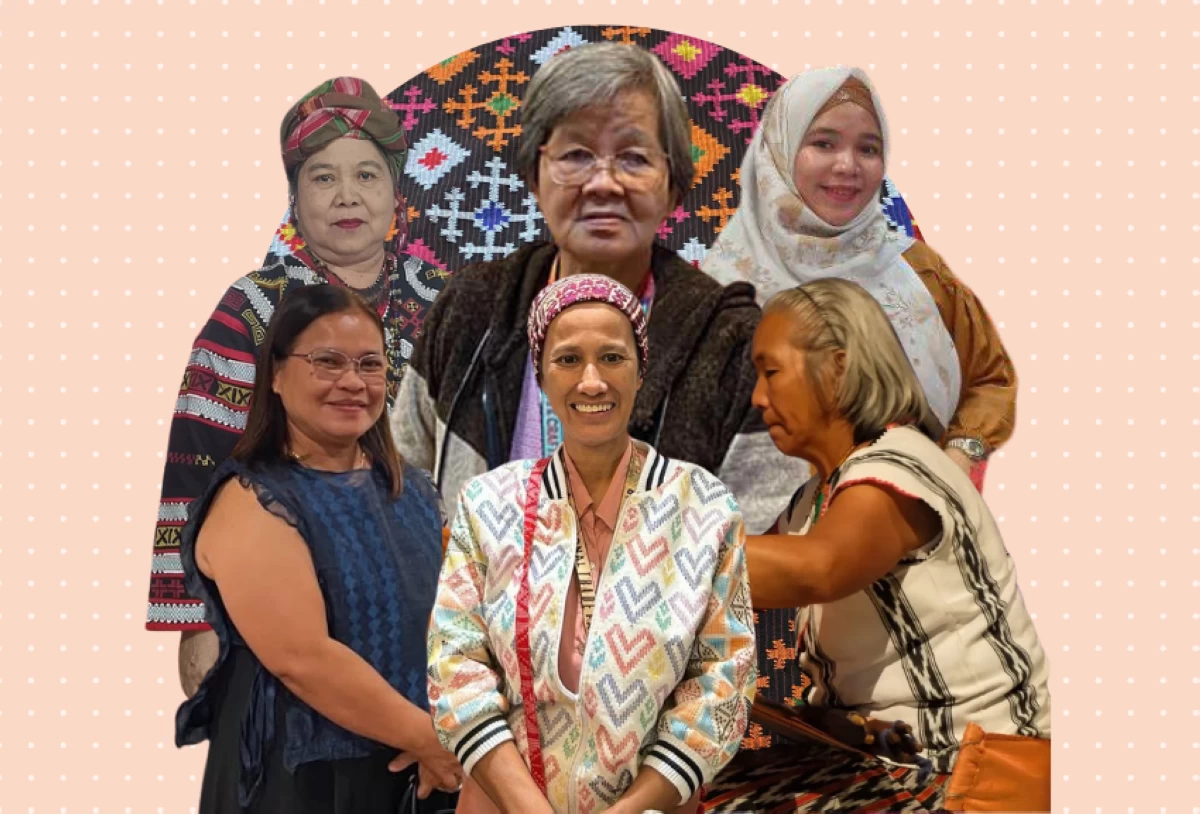
As the Manila Bulletin celebrates its 126th anniversary, we look back at some of the master weavers whose stories have graced our pages and digital platforms. These artisans from Luzon, Visayas, and Mindanao are on a mission to keep the Philippines’ age-old weaving heritage alive.
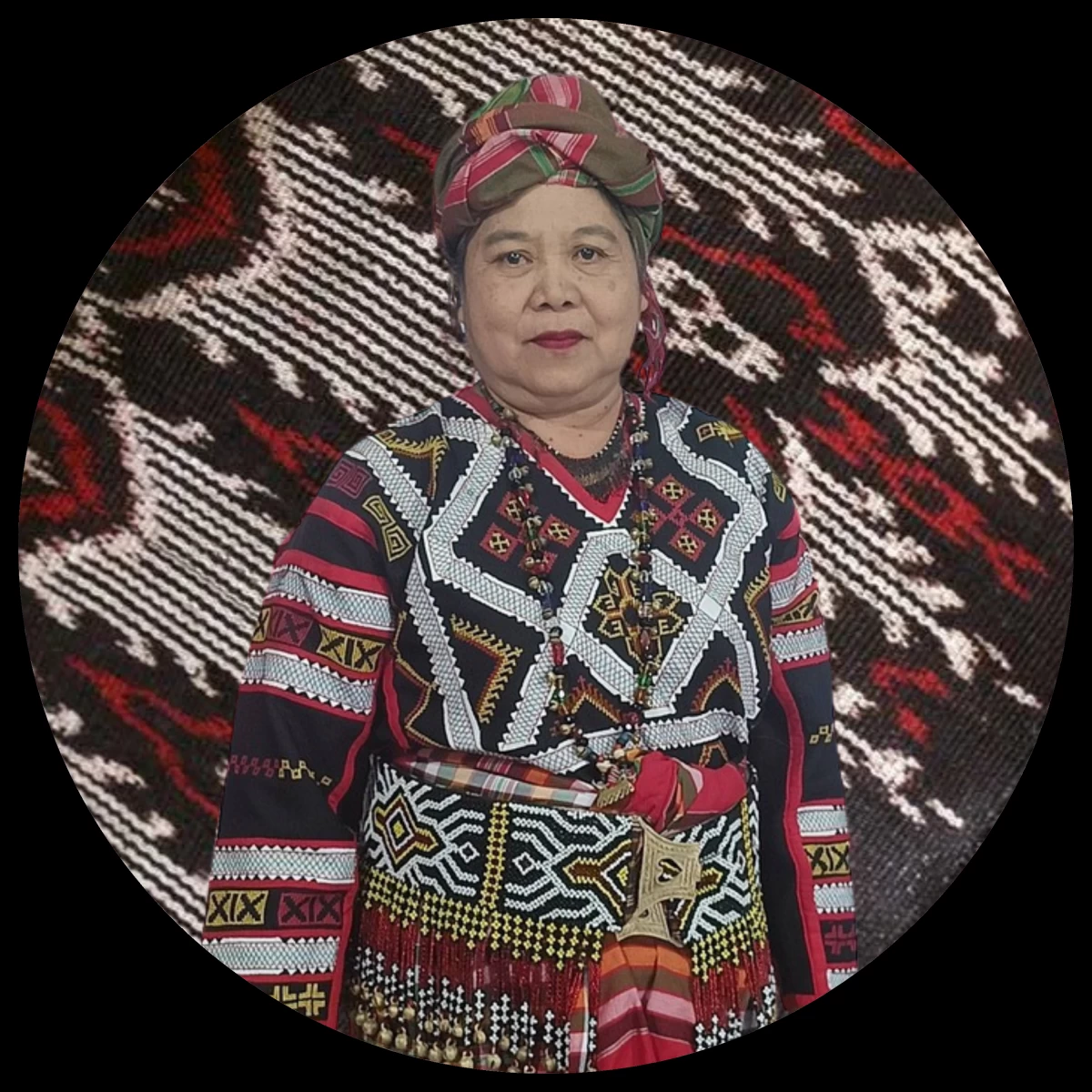
Nida Bacaling
Nida Bacaling of the T’boli tribe has been weaving t’nalak since she was seven years old. She grew up in a family of skilled artisans, creating traditional embroidery and beadwork in addition to weaving. Currently, Nida is the chairman of Kenhulung Handicrafts Federation, Inc., and also leads the Lake Sebu Indigenous Political Structure Women Association and the South Cotabato Crafters Association. One of their champion products is the t’nalak fabric, the T’boli people’s sacred cloth made of abaca and tinted with natural dyes.
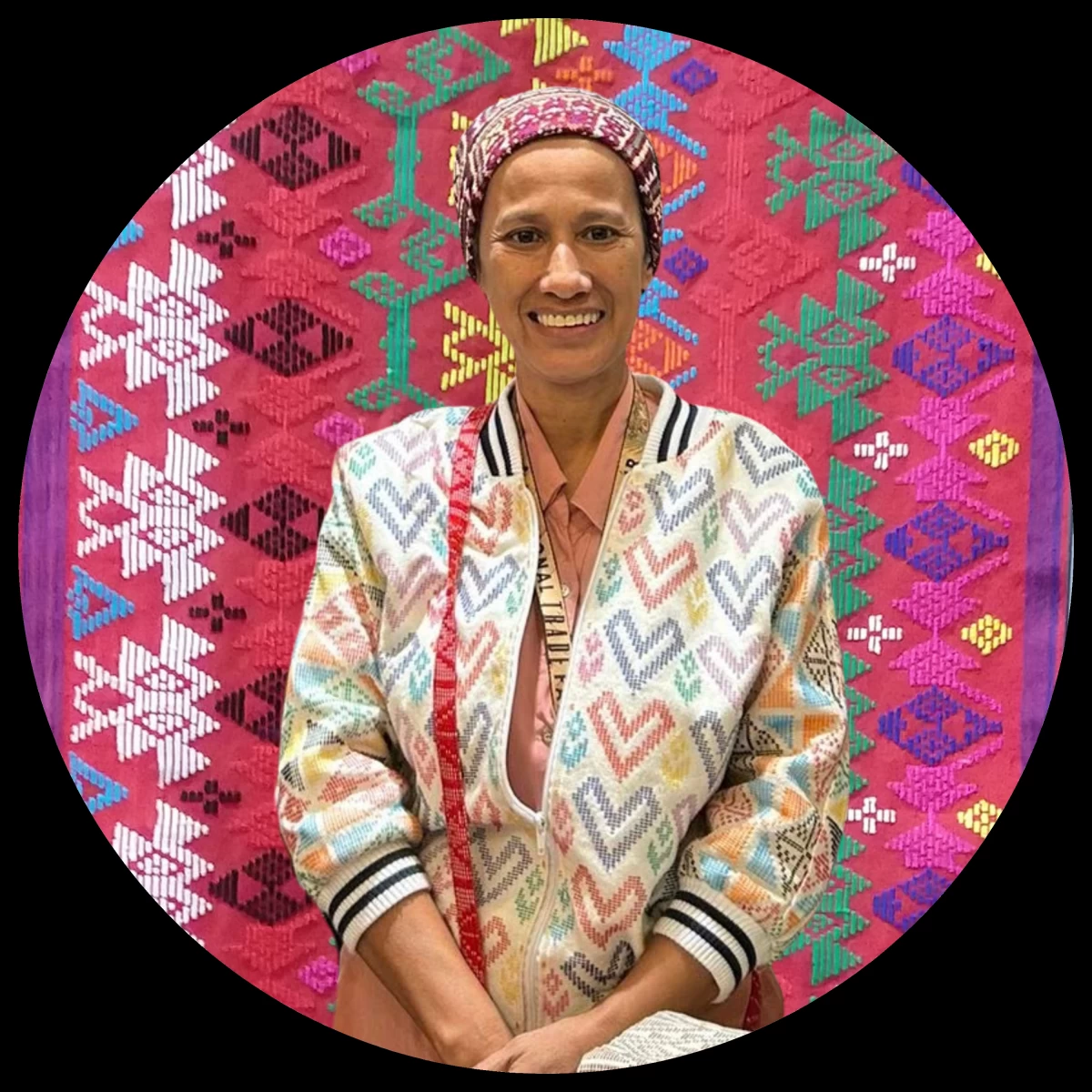
Evelinda Otong
Evelinda Otong is a fourth-generation weaver who started making yakan at the age of seven. She apprenticed under National Living Treasure Apuh Ambalang and now shares her passion for weaving with her children and cousins. Yakan is made of polycotton and features elaborate nature-inspired designs such as “Palipattang” (rainbow), “Bunga-sama” (python), and the intricate seputangan pattern with a “pussuk” motif at the center, which can take the form of a flower or star inside a small diamond.
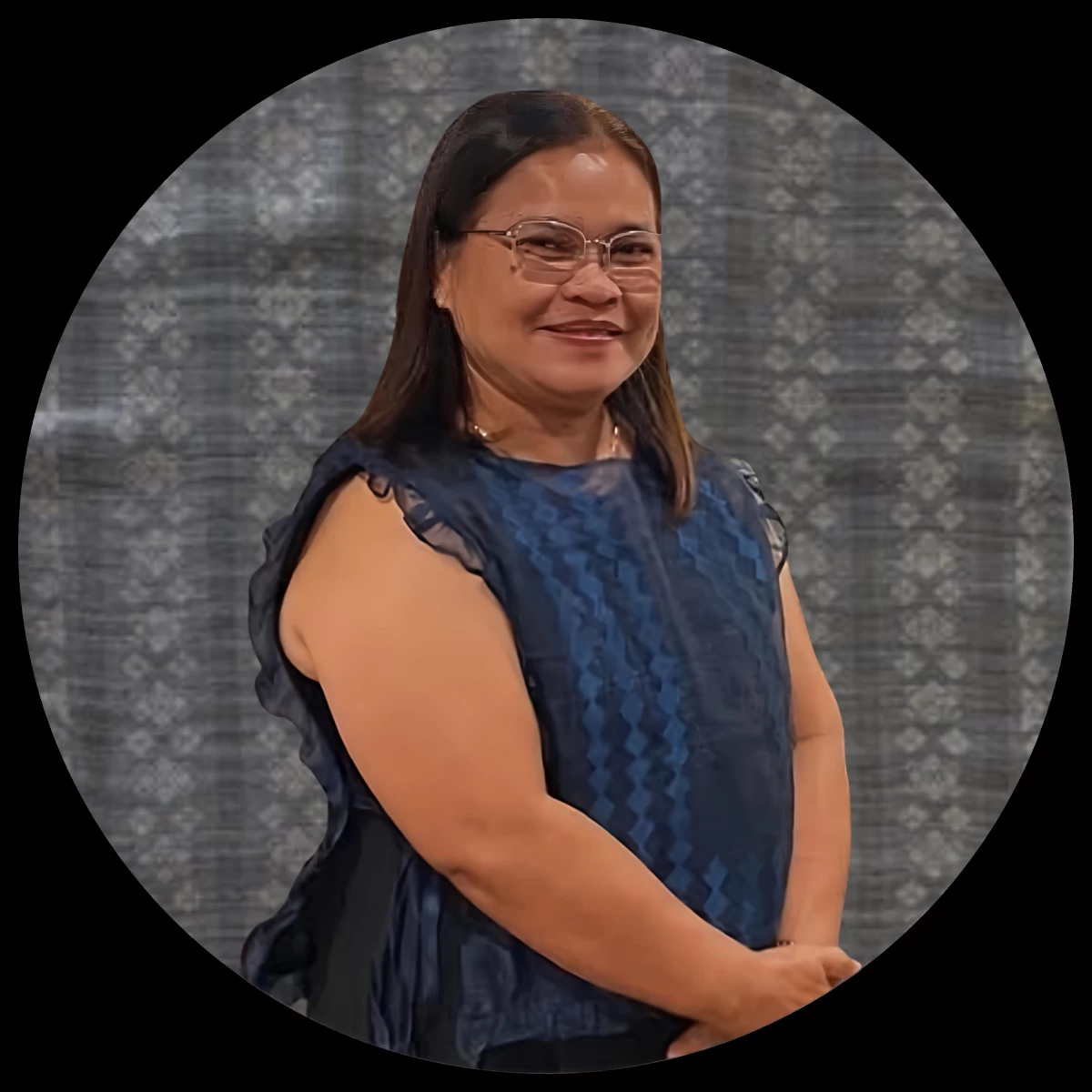
Raquel Elisero
Raquel Elisero has been making piña fabric since she was 16 years old. Now a master of her craft, she works with nearly a hundred weavers and fiber knotters in Balete, Aklan, and leads another loom house in the neighboring town of Tangalan. Piña fabric is made from the finest Liniwan pineapple fibers and decorated using suk-suk, sintas, and renggue design techniques.
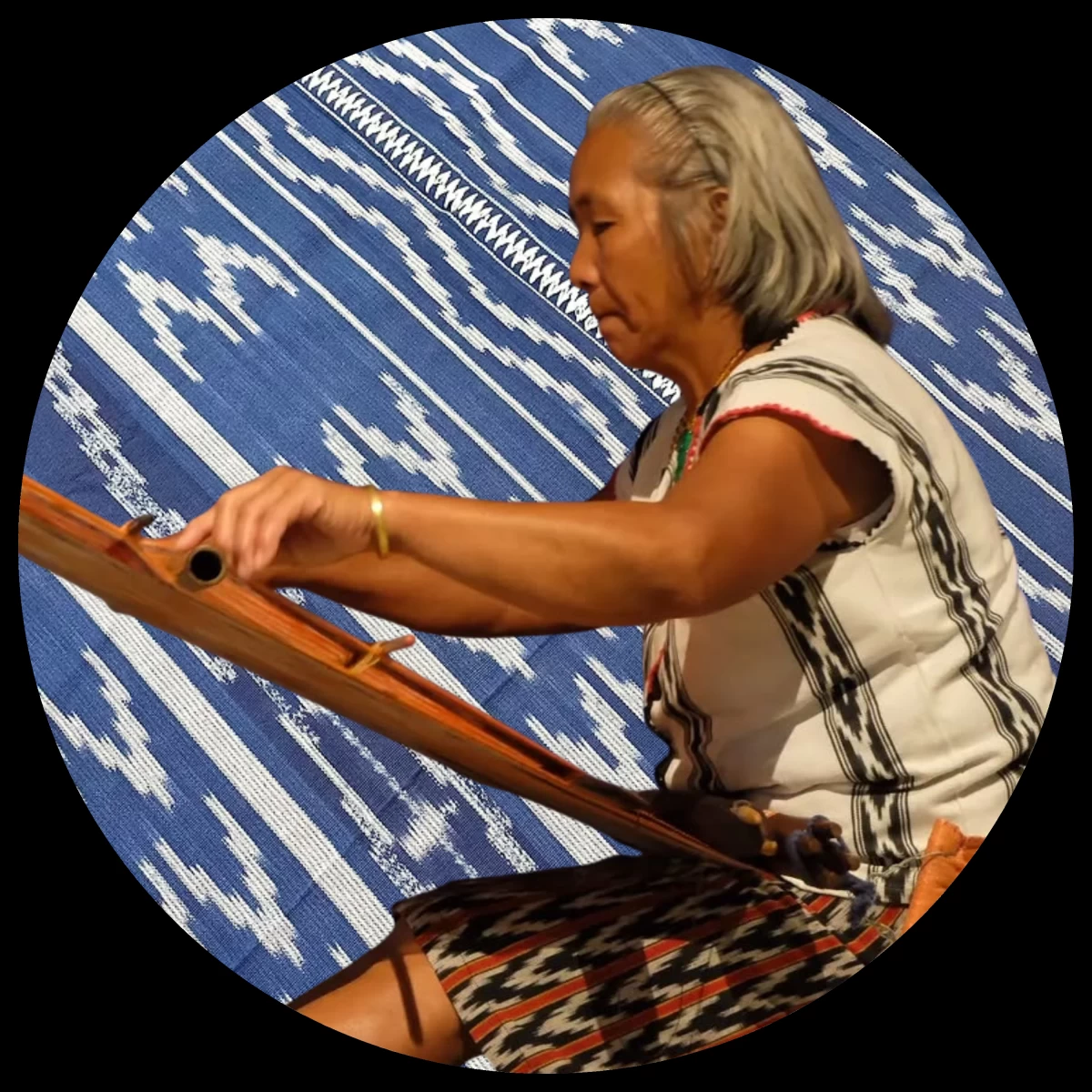
Angelina Buhle
Hailing from Ifugao, Angelina Buhle began her weaving journey at the age of seven under the guidance of her mother. She is known for making binodbodan, the Ifugao ikat. To create it, cotton yarns undergo a resist-dyeing process: The yarns are tied, dyed, and re-warped to form the designs, which are then woven on backstrap looms.
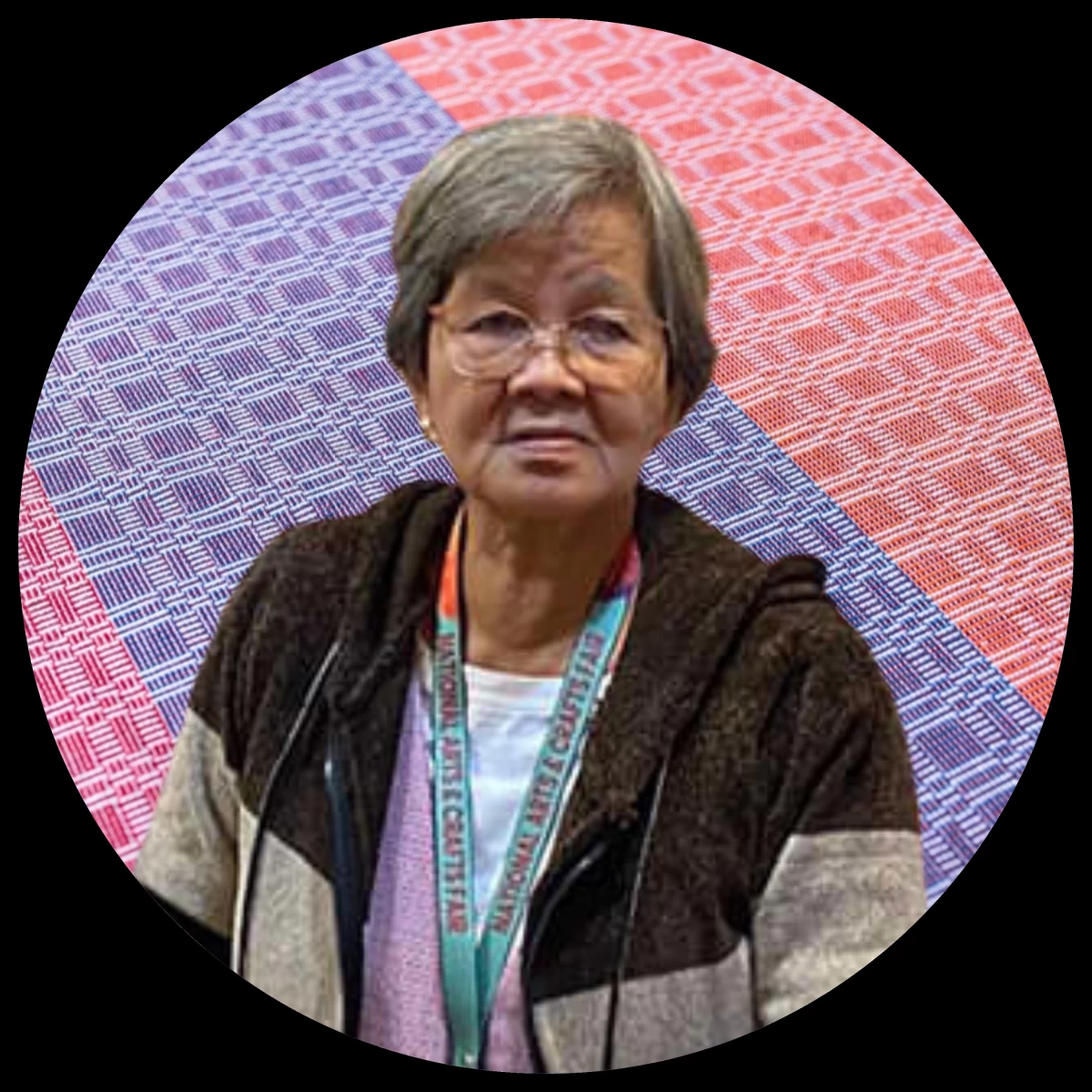
Nelia Ardaniel
For 60 years, Nelia Ardaniel from Abra has been weaving binakol, one of the many patterns of inabel. The most popular binakol designs are the optical illusions “Kusikus” (whirlpool) and “Alipugpug” (whirlwind), which are believed to be the abode of a ferocious wind god.
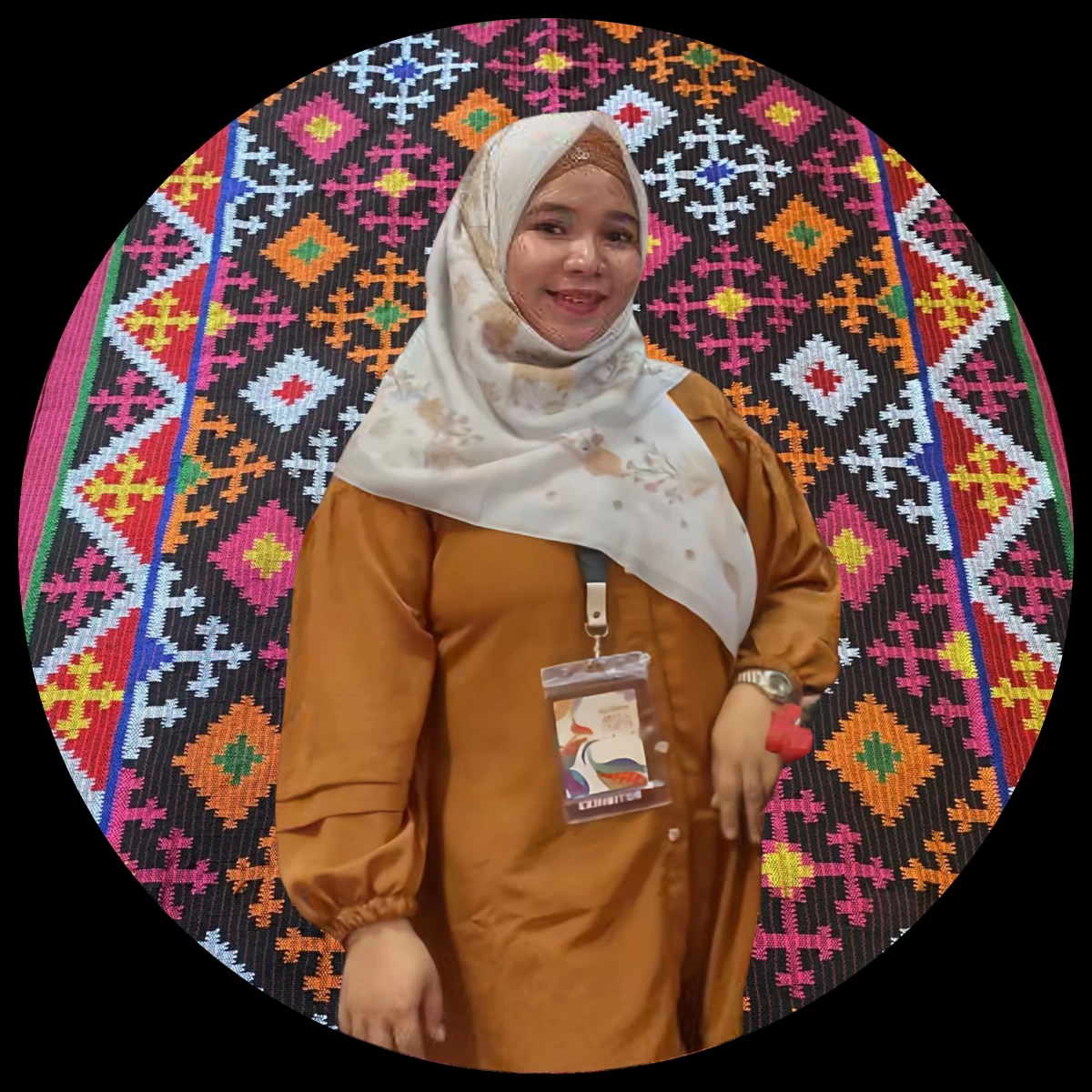
Julmina Sawad Juri
Miss Universe 2018 Catriona Gray has been a staunch supporter of local weaves. Among her best ensembles are looks made with pisyabit textile, one of which featured the weaving of Julmina Sawadi Juri. Hailing from the Tausug Livelihood community in Parang, Sulu Jolo, Julmina has been weaving pisyabit for over 15 years, starting as an apprentice to her mother, a pisyabit master weaver. Pisyabit is made from cotton and silk, with gold threads adding to its charm. It is traditionally worn by Tausug men (Pis) and features geometric patterns (syabit) and colors commonly seen in Islamic art.
These master weavers remind us that Philippine textiles are more than just fabric—they are living expressions of culture, history, and identity. Through their hands, centuries-old techniques endure, evolving with each generation while honoring the past.