ADVERTISEMENT

What's next in beauty

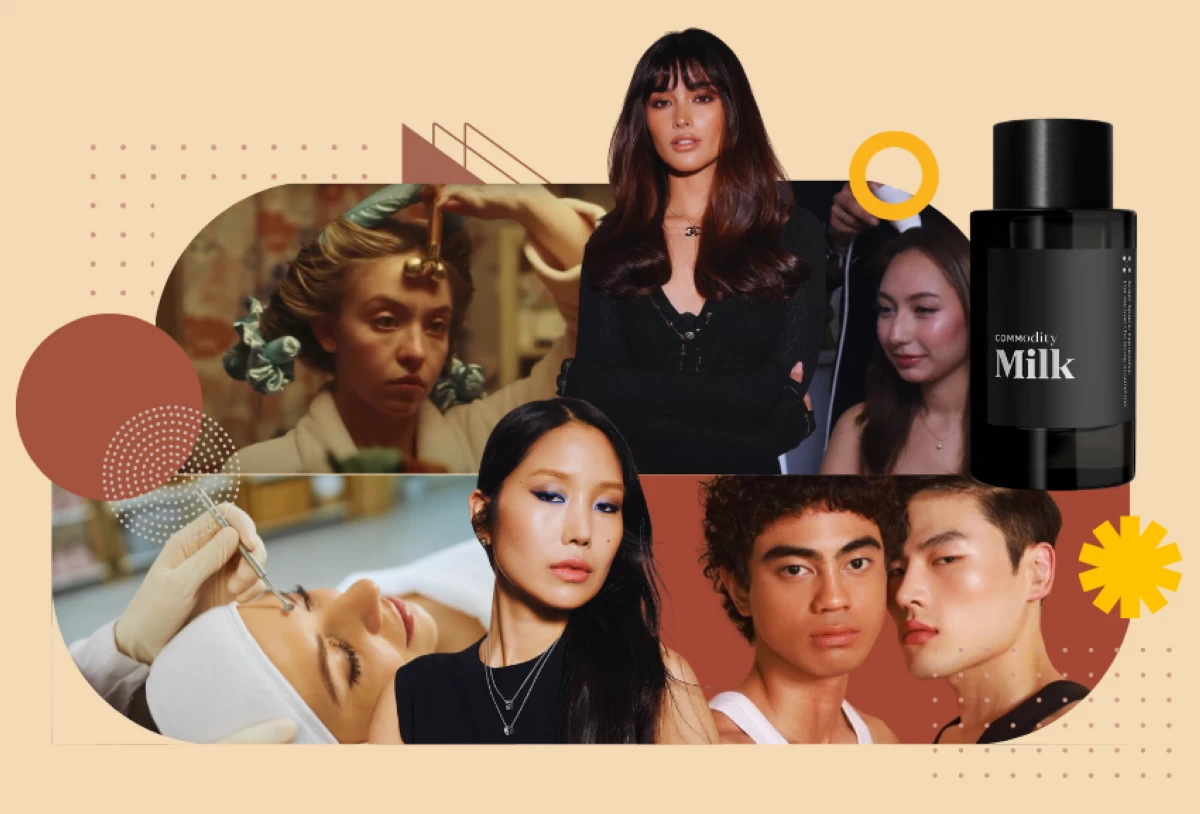
From proactive skin care to bold makeup and sensory fragrances, here's what's in this 2026

Published Jan 29, 2026 11:58 am
It seems that 2026 is going towards intentional beauty, where routines are smarter, not harder. From skin and scalp care to makeup, hair, and fragrance, experts are spotting trends that focus on health, individuality, and long-term results. Think personalized solutions, multi-tasking products, and a little more confidence in doing what actually works, because beauty should always feel authentic and effortless.
Skin fitness becomes the new routine
Skin fitness means treating your skincare like a workout routine for your face. It’s proactive, not reactive. You “train” your skin with consistent, science-backed care to keep it strong and resilient over time. Younger patients are embracing “prejuvenation,” actively preventing wrinkles rather than waiting for them to appear. Investing early in your skin’s health strengthens the barrier, protects against UV and pollution damage, and delays aging at a cellular level, while also boosting confidence.—Dr. Kaycee Reyes, skin doctor and founder of Luminisce
Glass hair puts scalp first
Skinification is transforming hair care by treating the scalp with the same precision as facial skin, creating naturally glossy, healthy strands. By combining scientific scalp analysis, targeted treatments, and key ingredients like niacinamide and hyaluronic acid, it addresses root concerns like oiliness, sensitivity, and thinning. Paired with innovations such as red light therapy and high-tech tools, this trend turns hair care into a holistic, long-term investment rather than a quick fix.—Mark Anthony Rosales, hair and scalp expert and founder of Mark’ed Salon
Bold, balanced makeup takes centerstage
Stepping away from the uniform “clean girl” look, the focus is back on individuality, where makeup enhances features without making everyone look the same. Bold makeup continues in a refined way, with one feature standing out—either the eyes or the lips—while the rest of the face remains clean, polished, and intentional. Eye makeup becomes the main form of expression, using one-color eyeshadows, strong winged eyeliner, and full but soft lashes to create impact without feeling heavy or theatrical. Overall, beauty in 2026 is still you: intentional, confident, and modern without being boring or trying too hard.—RB Chanco, celebrity makeup artist
’70s long layers and Birkin bangs return
Long, flowy, romantic layers with that swishy, supermodel energy—soft, bouncy, and full of movement. Finished with light, cheekbone-skimming Birkin bangs for that effortless French-girl vibe that just hits different. The cut frames the face in the cutest, most flattering way, adds instant cool-girl energy, and delivers that “I woke up like this” glam. Soft, sexy, playful, and totally main-character hair.—Renz Pangilinan, celebrity hairstylist
Men embrace multi-functional grooming
More than basic hygiene, men are embracing skincare, especially anti-aging and hair growth treatments. They are also more aware of multi-functional products like tinted moisturizers with sunscreen and tinted lip balms. Men generally don’t focus on following the “right” steps in skincare or makeup. Multi-functional products save time and effort while improving skin, and with social media influence, these routines now feel normal for men.—Mac Igarta, celebrity makeup artist and men's grooming expert
Neo gourmand fragrances rise
Neo gourmand is the evolution of the traditional sugary scents toward a more nuanced direction with the use of savoury, earthy, or woody notes. It makes the traditional gourmand fragrances more versatile and sophisticated, enhancing their wearability while keeping the essence of the genre. Try Ds and Durga Pistachio, Commodity Milk, and d'Annam Vietnamese Coffee.—Renato Lopena Jr., professional perfumer and certified aromatherapist
Gut-skin wellness takes priority
There is a connection between the skin, the brain, and the gut. Many people know that when they’re anxious, like before an exam or a wedding, they break out. This happens because of the skin-brain connection through neurotransmitters. For the gut, if the microbiome is unbalanced, it can lead to acne and congestion, especially on the chin and cheeks. That’s why there’s emphasis on QS Hack, a method that “hacks” quorum sensing—the communication between bacteria in your gut and skin—so pimples don’t multiply. Combined with consistent routines and personalized facials, these approaches help maintain healthy skin and prevent flare-ups before they start.—Dr. Vicki Belo, medical director and founder of Belo Medical Group

Related Tags

Beauty forecast 2026
ADVERTISEMENT
.most-popular .layout-ratio{ padding-bottom: 79.13%; } @media (min-width: 768px) and (max-width: 1024px) { .widget-title { font-size: 15px !important; } }

{{ articles_filter_1561_widget.title }}

.most-popular .layout-ratio{ padding-bottom: 79.13%; } @media (min-width: 768px) and (max-width: 1024px) { .widget-title { font-size: 15px !important; } }

{{ articles_filter_1562_widget.title }}

.most-popular .layout-ratio{ padding-bottom: 79.13%; } @media (min-width: 768px) and (max-width: 1024px) { .widget-title { font-size: 15px !important; } }

{{ articles_filter_1563_widget.title }}

{{ articles_filter_1564_widget.title }}

.mb-article-details { position: relative; } .mb-article-details .article-body-preview, .mb-article-details .article-body-summary{ font-size: 17px; line-height: 30px; font-family: "Libre Caslon Text", serif; color: #000; } .mb-article-details .article-body-preview iframe , .mb-article-details .article-body-summary iframe{ width: 100%; margin: auto; } .read-more-background { background: linear-gradient(180deg, color(display-p3 1.000 1.000 1.000 / 0) 13.75%, color(display-p3 1.000 1.000 1.000 / 0.8) 30.79%, color(display-p3 1.000 1.000 1.000) 72.5%); position: absolute; height: 200px; width: 100%; bottom: 0; display: flex; justify-content: center; align-items: center; padding: 0; } .read-more-background a{ color: #000; } .read-more-btn { padding: 17px 45px; font-family: Inter; font-weight: 700; font-size: 18px; line-height: 16px; text-align: center; vertical-align: middle; border: 1px solid black; background-color: white; } .hidden { display: none; }
function initializeAllSwipers() { // Get all hidden inputs with cms_article_id document.querySelectorAll('[id^="cms_article_id_"]').forEach(function (input) { const cmsArticleId = input.value; const articleSelector = '#article-' + cmsArticleId + ' .body_images'; const swiperElement = document.querySelector(articleSelector); if (swiperElement && !swiperElement.classList.contains('swiper-initialized')) { new Swiper(articleSelector, { loop: true, pagination: false, navigation: { nextEl: '#article-' + cmsArticleId + ' .swiper-button-next', prevEl: '#article-' + cmsArticleId + ' .swiper-button-prev', }, }); } }); } setTimeout(initializeAllSwipers, 3000); const intersectionObserver = new IntersectionObserver( (entries) => { entries.forEach((entry) => { if (entry.isIntersecting) { const newUrl = entry.target.getAttribute("data-url"); if (newUrl) { history.pushState(null, null, newUrl); let article = entry.target; // Extract metadata const author = article.querySelector('.author-section').textContent.replace('By', '').trim(); const section = article.querySelector('.section-info ').textContent.replace(' ', ' '); const title = article.querySelector('.article-title h1').textContent; // Parse URL for Chartbeat path format const parsedUrl = new URL(newUrl, window.location.origin); const cleanUrl = parsedUrl.host + parsedUrl.pathname; // Update Chartbeat configuration if (typeof window._sf_async_config !== 'undefined') { window._sf_async_config.path = cleanUrl; window._sf_async_config.sections = section; window._sf_async_config.authors = author; } // Track virtual page view with Chartbeat if (typeof pSUPERFLY !== 'undefined' && typeof pSUPERFLY.virtualPage === 'function') { try { pSUPERFLY.virtualPage({ path: cleanUrl, title: title, sections: section, authors: author }); } catch (error) { console.error('ping error', error); } } // Optional: Update document title if (title && title !== document.title) { document.title = title; } } } }); }, { threshold: 0.1 } ); function showArticleBody(button) { const article = button.closest("article"); const summary = article.querySelector(".article-body-summary"); const body = article.querySelector(".article-body-preview"); const readMoreSection = article.querySelector(".read-more-background"); // Hide summary and read-more section summary.style.display = "none"; readMoreSection.style.display = "none"; // Show the full article body body.classList.remove("hidden"); } document.addEventListener("DOMContentLoaded", () => { let loadCount = 0; // Track how many times articles are loaded const offset = [1, 2, 3, 4, 5, 6, 7, 8, 9, 10]; // Offset values const currentUrl = window.location.pathname.substring(1); let isLoading = false; // Prevent multiple calls if (!currentUrl) { console.log("Current URL is invalid."); return; } const sentinel = document.getElementById("load-more-sentinel"); if (!sentinel) { console.log("Sentinel element not found."); return; } function isSentinelVisible() { const rect = sentinel.getBoundingClientRect(); return ( rect.top < window.innerHeight && rect.bottom >= 0 ); } function onScroll() { if (isLoading) return; if (isSentinelVisible()) { if (loadCount >= offset.length) { console.log("Maximum load attempts reached."); window.removeEventListener("scroll", onScroll); return; } isLoading = true; const currentOffset = offset[loadCount]; window.loadMoreItems().then(() => { let article = document.querySelector('#widget_1690 > div:nth-last-of-type(2) article'); intersectionObserver.observe(article) loadCount++; }).catch(error => { console.error("Error loading more items:", error); }).finally(() => { isLoading = false; }); } } window.addEventListener("scroll", onScroll); });

Sign up by email to receive news.