







BSP to fill four digital bank slots in first quarter
By Derco Rosal
Published Jan 27, 2026 12:00 am
|
Updated Jan 26, 2026 03:16 pm


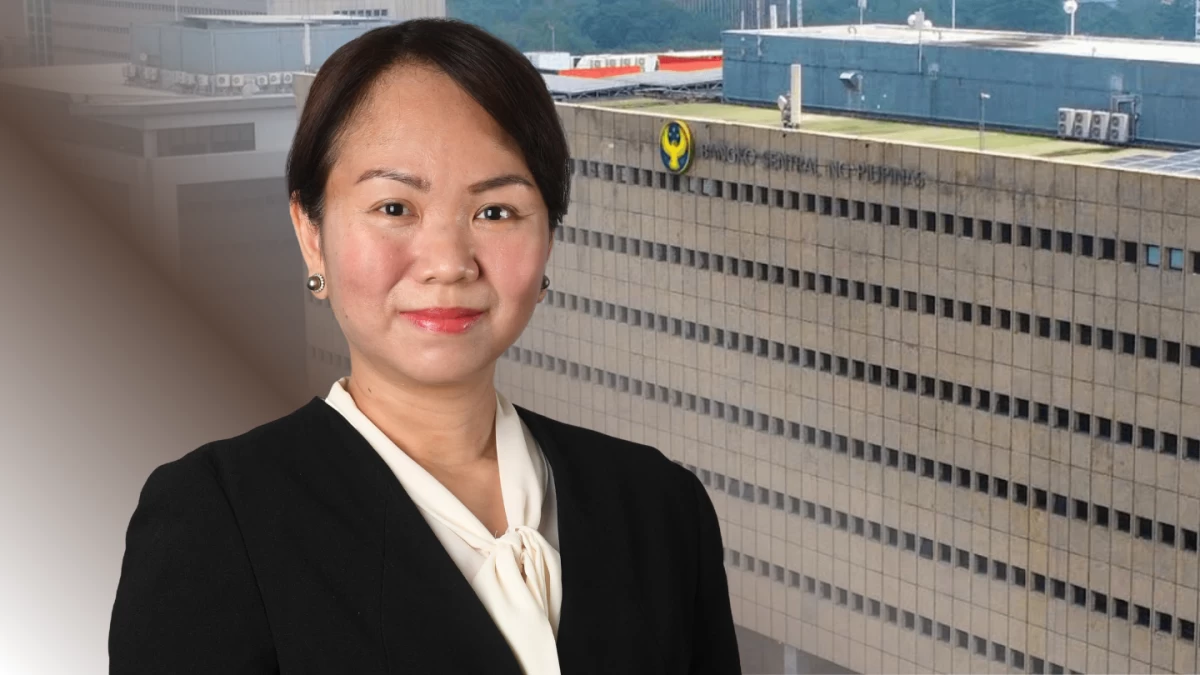
BSP Deputy Governor Lyn I. Javier
The Bangko Sentral ng Pilipinas (BSP) expects to finalize its evaluation of new digital banking license applications by the end of the first quarter, potentially introducing fresh competition to the six existing lenders in the sector.
BSP Deputy Governor Lyn I. Javier said the central bank is currently reviewing business models submitted by interested parties to ensure they align with the government’s financial inclusion goals.
Javier, who heads the BSP’s financial supervision sector, added that a major consideration in the review is the applicant’s capacity to deliver services that promote greater financial inclusion, particularly for underserved communities.
While the exact number remains undisclosed, both foreign and domestic digital banks have submitted their intent to operate in the Philippines.
“Maybe we have already selected the likely candidates in the first quarter,” Javier told reporters, but noted that while the internal target for the announcement of the qualified applicants is during the quarter, external factors may push the timeline back.
Six digital banks are currently operating in the Philippines, namely GoTyme Bank, Maya Bank, Overseas Filipino (OF) Bank, UnionDigital Bank, UNObank, and Tonik Digital Bank.
It can be recalled that the BSP lifted the moratorium on the grant of new digital banking licenses in January 2025, allowing a maximum of 10 players to operate in the country. Interested players were allowed to apply for digital banking licenses, including the conversion of an existing bank’s license.
BSP Governor Eli M. Remolona Jr. had said the cap would enable the BSP to closely track developments in the digital banking sector, gain a clearer view as these banks mature, and assess the impact of new entrants on the broader banking system.
Digital banking applications ended in November 2025. Whether the new applicants can fill the remaining slots, Javier said, remains uncertain. “We have yet to see because we still have to evaluate all the applications,” she said.
According to Javier, the BSP is focusing more on promising business models and on how candidates can deliver greater value and services to the country.
Only applicants with sound governance, strong risk management, and a clear value proposition that meets the needs of Filipinos will be granted digital banking licenses, the BSP said late last year.
Reyes Tacandong & Co. senior adviser Jonathan Ravelas said the looming entry of up to four digital banks will swiftly sharpen competition in the industry. Over time, however, only a few large players are likely to dominate, while the rest are expected to survive by focusing on specific niches.
“As competition intensifies, regulators will focus more on consumer protection, cyber resilience, and sound risk management—so digital banks that build compliance and trust into their systems early will have an edge,” Ravelas said.
He added that the potential entry of foreign-backed digital banks will raise the bar on technology, pricing, and capital. Such a shift in the landscape would prompt local players to innovate faster and differentiate through local relevance.
Given the multiplication of digital lenders, Ravelas expects customers to be “more mobile‑first and value‑driven, choosing banks that are simple, reliable, and useful for everyday needs like payroll, payments, savings, and small credit.”
“In the end, digital banking won’t be won by promos—it will be won by trust, scale, and consistent execution,” he stressed.
As of end-November 2025, the resources of digital banks jumped by 38.6 percent to ₱165.9 billion from ₱119.7 billion in the same period in 2024.
This accounted for 0.6 percent of the banking industry’s total resources, which increased by 7.7 percent to ₱29.66 trillion as of end-November from ₱27.55 trillion a year ago. Banks’ resources accounted for 82.9 percent of the financial system’s outstanding total of ₱35.76 trillion.