







BIR enlists private sector to finalize tighter tax audit rules
Published Jan 26, 2026 02:39 pm


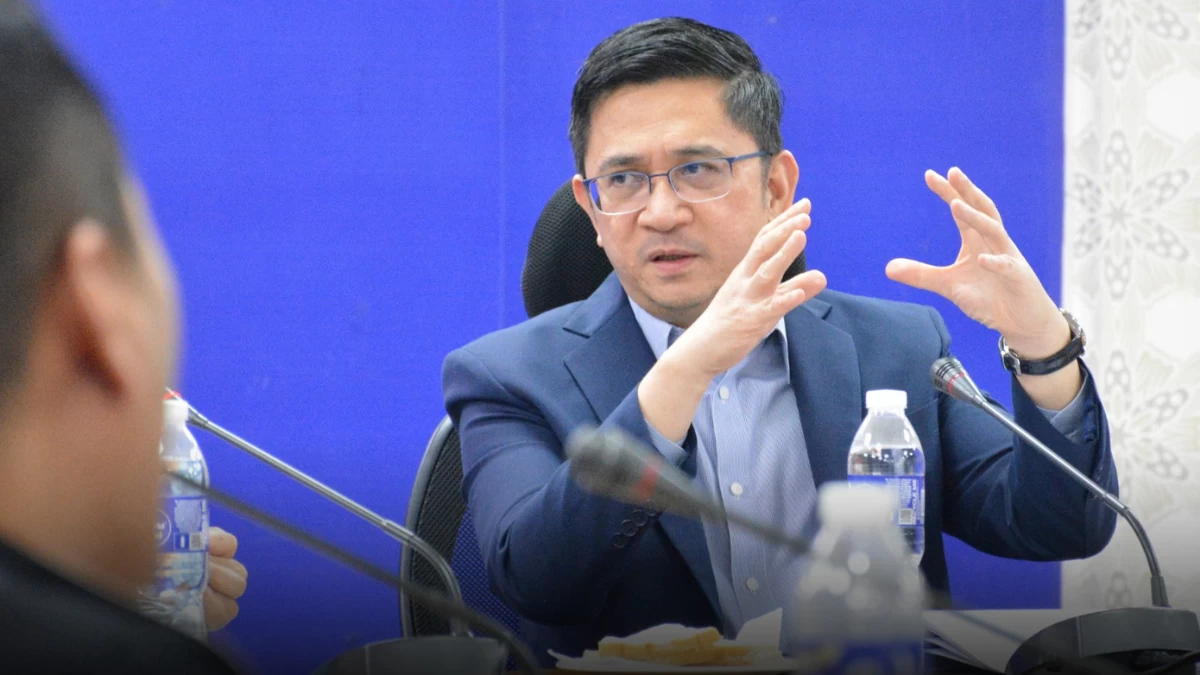
BIR Commissioner Charlito Martin R. Mendoza
The Bureau of Internal Revenue (BIR) is preparing to lift its suspension on tax audits, introducing tightened framework aimed at curbing examiner discretion and restoring private-sector confidence in the nation’s tax administration.
In a statement on Monday, Jan. 26, the BIR said the bureau secured broad support for the proposed reforms during recent consultations with the country’s largest business groups.
The new guidelines, drafted by a technical working group led by Deputy Commissioner Marissa O. Cabreros, seek to address perennial complaints regarding inflated assessments and the inconsistent application of tax laws.
Once finalized, these rules will govern all new investigations conducted by the agency.
A cornerstone of the reform package is the “single-instance audit” rule. Under the draft order, taxpayers will generally be subject to only one electronic Letter of Authority (eLA) per taxable year. This single eLA will cover all internal revenue taxes, effectively ending the practice of multiple, overlapping investigations that have historically burdened businesses.
Any secondary eLAs issued for the same taxpayer and period will be automatically consolidated, though taxpayers retain a limited window to request non-consolidation under specific criteria.
BIR Commissioner Charlito Martin R. Mendoza said the overhaul is a primary pillar of the agency’s “D.A.R.E.S.” agenda, which focuses on digital transformation and accountability.
By shifting non-mandatory audits to a risk-based, system-assisted selection process using anonymized taxpayer lists, the bureau aims to remove the human element from the initial stages of audit selection.
This move is intended to reduce the “indiscriminate” targeting of companies that has long stifled the local investment climate.
The private sector, represented by organizations including the Philippine Chamber of Commerce and Industry (PCCI), the Management Association of the Philippines, and the Financial Executives Institute of the Philippines, expressed no objection to the resumption of audits under these new safeguards.
Ruben Pascual, secretary general of the PCCI, noted that the reforms target the “bloated initial assessments” that have previously forced many taxpayers into lengthy and expensive disputes.
To ensure compliance within its own ranks, the BIR is introducing standardized audit checklists and stricter supervisory reviews. Revenue officers who deviate from the new protocols will face sanctions, a measure Department of Finance Undersecretary Rolando Ligon Jr. said is necessary to boost investor optimism.
The technical working group is now incorporating final feedback from 20 private-sector organizations before the formal lifting of the audit suspension in the coming weeks. (Jun Ramirez)