







Oil retailers to raise prices Tuesday as global risks mount
Published Jan 26, 2026 10:53 am


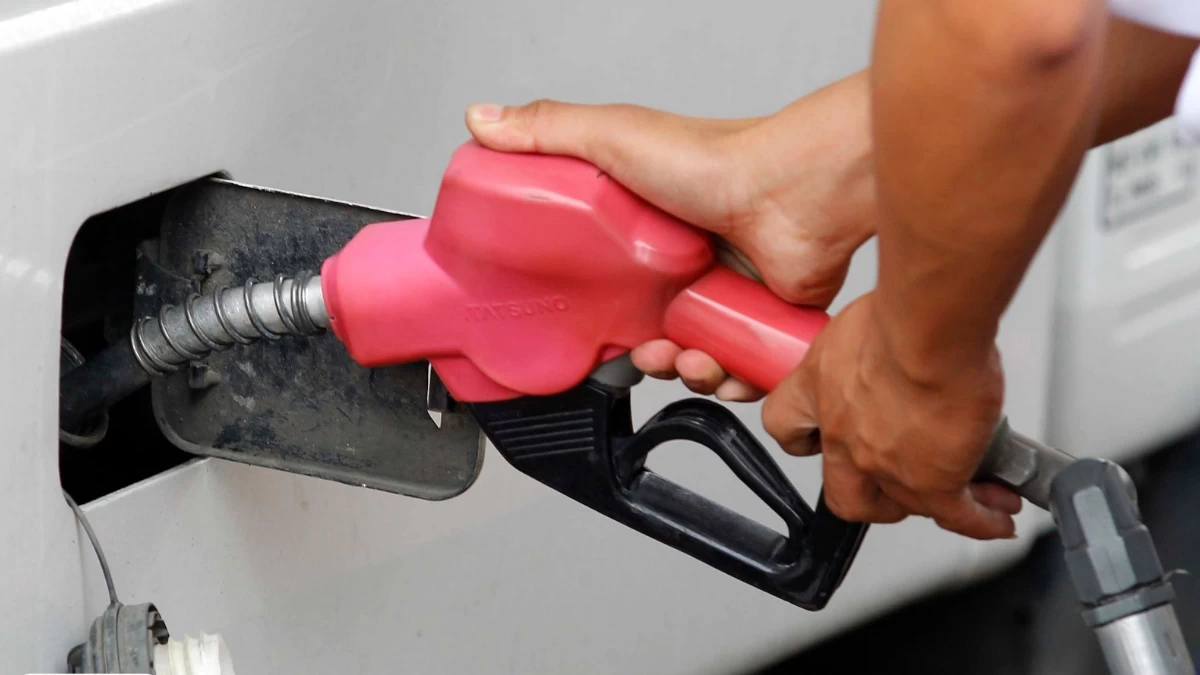
Motorists will face higher costs at the pump starting Tuesday, Jan. 26, as international supply constraints and shifting demand forecasts drive a fresh wave of price increases.
Gasoline will rise by ₱0.40 per liter, while diesel will see a steeper hike of ₱1.40 per liter. Kerosene prices are set to increase by ₱0.80 per liter, according to notices from major retailers.
Shell Pilipinas Corp., Seaoil Philippines Inc., Petro Gazz, and the local unit of Chevron Corp., Caltex, will implement the adjustments at 6 a.m. local time. Cleanfuel will apply the changes at 8:01 a.m.
Traders are tracking export disruptions in the Black Sea and production halts at two major oilfields in Kazakhstan, which have curbed the availability of crude grades typically favored by regional refiners.
While gasoline prices are also rising, the gains were tempered by a healthy buildup of regional stockpiles ahead of the Lunar New Year holidays, according to industry analysts.
Sentiment in the energy complex has been bolstered by a brightening demand outlook. The International Monetary Fund’s 2026 economic forecast recently signaled resilient global growth, while data from China suggests a recovery in industrial activity. These macroeconomic tailwinds are colliding with geopolitical risks that threaten to further squeeze supply.
Escalating tensions between the United States (US) and Iran have emerged as a primary focus for traders this week. As the third-largest producer within the Organization of Petroleum Exporting Countries, any threat to Iranian infrastructure or maritime trade routes in the Persian Gulf historically adds a significant risk premium to crude prices.
The price action also follows reports that Russian oil production fell slightly to 10.28 million barrels a day last week. While the decline represents a small fraction of the roughly 100 million barrels consumed globally each day, the market remains sensitive to any fluctuations from Moscow amid the ongoing conflict in Ukraine.
Market participants noted that while a potential peace accord between Russia and Ukraine remains a distant hope for easing energy volatility, current trading remains firmly dictated by the immediate reality of tight inventories and the possibility of further Middle Eastern friction.
For Philippine consumers, these global factors translate directly to a tighter squeeze on household budgets as the final week of January begins.