






Manila Bulletin
 Business
Trade & Industry
160 electrified cars sold every day in Philippines last year
Business
Trade & Industry
160 electrified cars sold every day in Philippines last year
Business
Trade & Industry
160 electrified cars sold every day in Philippines last year
160 electrified cars sold every day in Philippines last year
Published Jan 26, 2026 12:00 am
|
Updated Jan 26, 2026 07:18 am


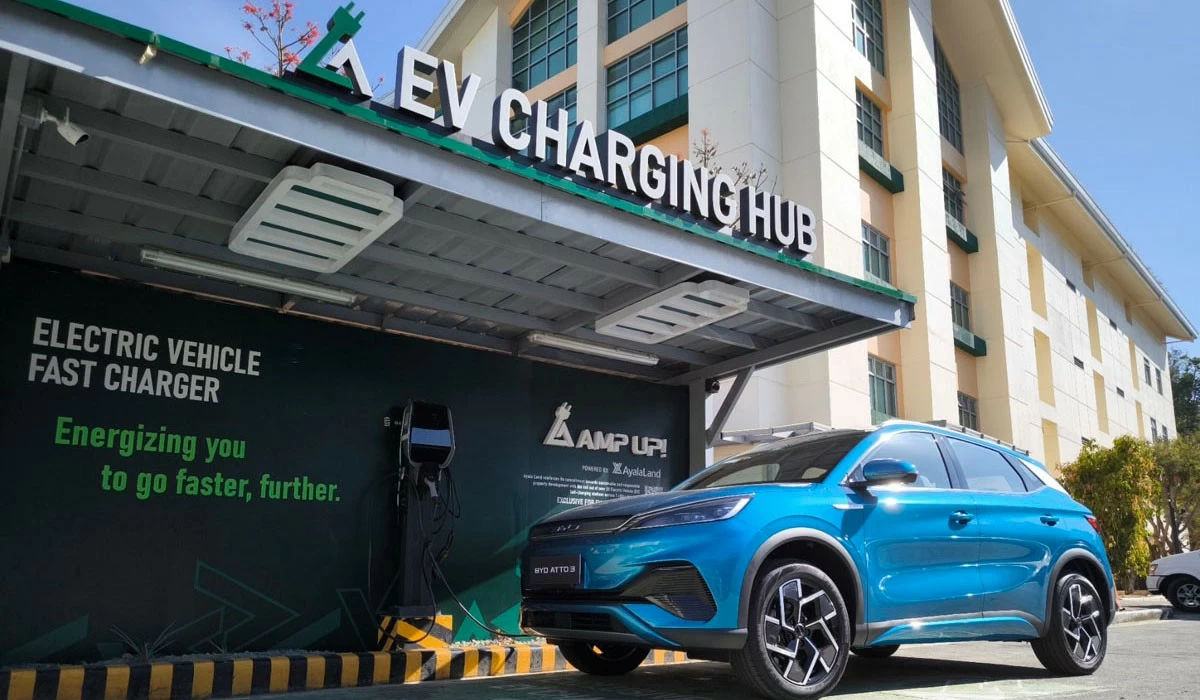
Electrified vehicles are fast becoming the primary engine of growth for the Philippine automotive industry, with consumers purchasing more than 160 such units daily last year to offset the deepening slump in the traditional internal combustion market.
Data from the Chamber of Automotive Manufacturers of the Philippines Inc. (CAMPI) and Truck Manufacturers Association (TMA) show that the surge has pushed the market share for electric and hybrid models to 12 percent from roughly seven percent a year earlier.
The surge in adoption comes even as the wider industry narrowly missed its 500,000-unit annual target, hampered by weather disruptions and the reimposition of taxes on pickup trucks.
Combined sales data from the two industry groups showed 463,646 units were sold from January to December 2025, a 0.8 percent decline from the record 467,252 units moved in 2024.
Despite missing the industry’s target and falling below 2024’s peak level, CAMPI President Jose Maria Atienza said sales last year remained strong by sustaining consumer interest through aggressive promotional campaigns.
“The new product introductions from the various car brands…expanded consumer options especially in electrified and commercial vehicle segments," added Atienza.
Commercial vehicles, which are primarily used by businesses to transport goods, was the most popular vehicle type last year, accounting for nearly 80 percent of the industry’s total sales.
Members of CAMPI and TMA sold a total of 370,722 commercial vehicles, up seven percent from 346,482 units in the previous year.
Passenger cars, on the other hand, saw its market share plunge to 20.04 percent from 25.85 percent.
The decline was driven by the 23 percent drop in sales to 92,924 units last year, compared to 120,770 units sold in 2024.
Electric vehicles (EVs) closed last year with a seven percent market share, as the segment steadily gains popularity among Filipino consumers.
Hybrid EVs was the most sought-after variant, with 25,737 units sold, followed by battery EVs with 4,613 units, and plug-in hybrid EVs with 2,139 units.
EV sales of CAMPI and TMA exclude figures from non-members, including BYD Cars Philippines, which posted a whopping 446-percent surge in sales last year, reaching 26,122 units.
Including data from BYD and other companies, the entire automotive industry sold a total of 491,395 units last year, up 3.7 percent from the previous record of 473,842 in 2024.
Even so, the industry total fell short of the goal of hitting 500,000 sales last year.
Still, Atienza said they are on the right track, given the industry’s resilience amid unfavorable market conditions in the second half of 2025.
In December alone, combined sales of the CAMPI and TMA improved by two percent to 42,879 units from 42,044 units in the same month in 2024. The month’s sales were 14.9 percent higher than the 37,325 units sold in November 2025.
Atienza said the industry suffered weather-related disruptions in the latter half of last year, forcing many car dealers to close down shop.
He also cited the reimposition of excise tax on pickup trucks as another snag to sales growth.
Rizal Commercial Banking Corp. (RCBC) chief economist Michael Ricafort said taxes on pickup trucks are making these vehicles more costly compared to when they were given a tax exemption.
Ricafort noted that the higher adoption of motorcycles last year likely influenced the slowdown in vehicles as consumers opt for the cheaper alternative.
For the year, he said increased demand for EVs amid growing competition to reduce prices and more favorable weather conditions could help the industry return to an upward path in sales.
CAMPI said that if it reached 500,000 sold units in 2025, the target for 2026 would be around 525,000.
Last year, Toyota Motor Philippines Corp. was the industry’s dominant player, with 229,447 units sold or nearly half of the total.
Mitsubishi Motors Philippines Corp. ranked second with a market share of 18.72 percent, followed by Suzuki Philippines Inc. with a 4.74-percent share.
Ford Group Philippines is in a close fourth place with a share of 4.70-percent, with Nissan Philippines Inc. rounding out the top five with a 4.44-percent share.