






Manila Bulletin
 Philippines
National
DepEd, CHED, TESDA roll out unified education reforms under PBBM's 'GABAY ng Bayan' Program
Philippines
National
DepEd, CHED, TESDA roll out unified education reforms under PBBM's 'GABAY ng Bayan' Program
Philippines
National
DepEd, CHED, TESDA roll out unified education reforms under PBBM's 'GABAY ng Bayan' Program
DepEd, CHED, TESDA roll out unified education reforms under PBBM's 'GABAY ng Bayan' Program
Published Jan 23, 2026 12:20 pm


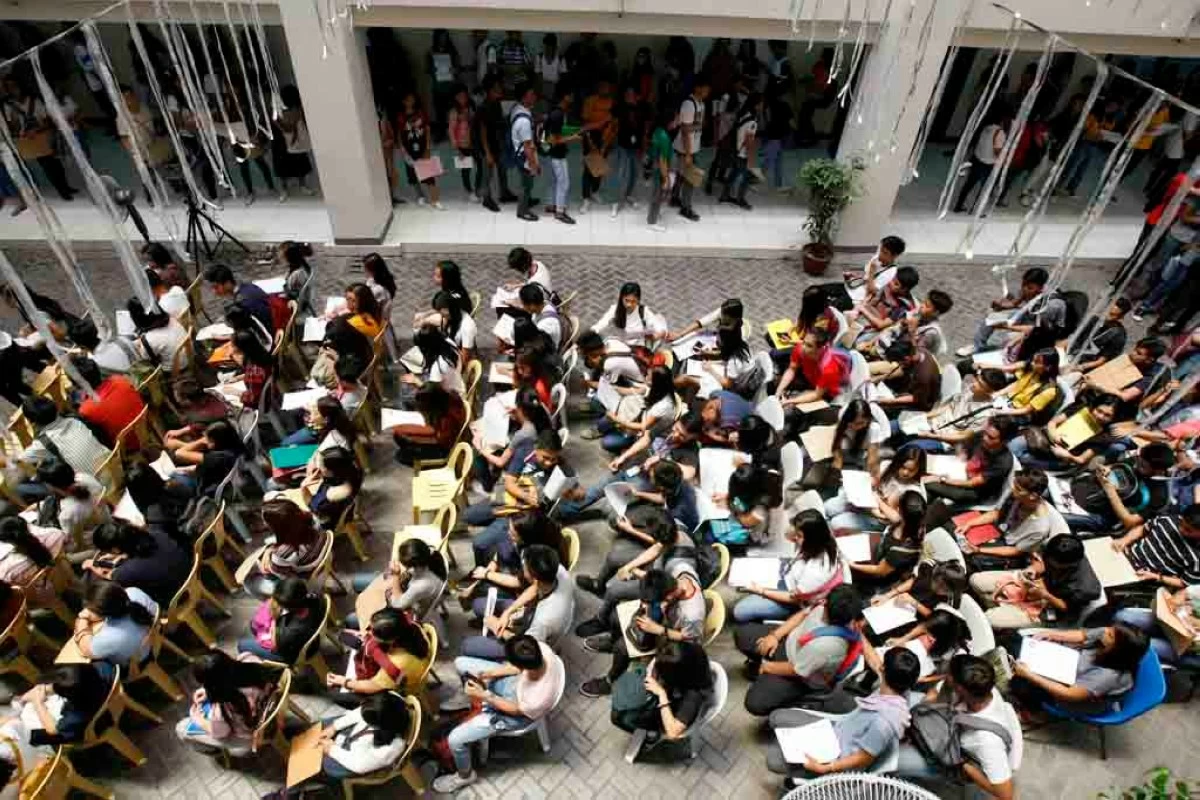
DepEd, CHED, and TESDA launch unified education reforms under President Marcos’ PBBM GABAY ng Bayan Program, strengthening access, data-driven planning, and workforce development across the education sector. (Manila Bulletin/ file)
The Department of Education (DepEd), the Commission on Higher Education (CHED), and the Technical Education and Skills Development Authority (TESDA) on Friday, January 23, jointly rolled out a suite of major education initiatives aimed at improving access, equity, and workforce relevance across the Philippine education system.
The launch, held at the Ilocos Norte Centennial Arena, formed part of the 2nd Joint Education Trifocal Management Committee Meeting, which brought together the country’s three education agencies and the Second Congressional Commission on Education (EDCOM II).
The initiatives fall under the PBBM “GABAY ng Bayan” Programs—short for Galing, Akses, Batid at Angat Tungo sa Yaman ng Bayan—which promote a coordinated, whole-of-government approach to education reform.
Ilocos Norte 1st District Representative and House Majority Leader Ferdinand Alexander “Sandro” Marcos keynoted the rollout of major education initiatives under the program.
Officials from DepEd, CHED, TESDA, partner national agencies, local government units, higher education institutions, and other education stakeholders attended the event, joined by around 5,000 participants, including senior high school students and beneficiaries of the Pantawid Pamilyang Pilipino Program (4Ps).
Unified merit scholarship framework
A key highlight of the program was the ceremonial signing of a joint memorandum circular by DepEd, CHED, and TESDA establishing the Policies and Guidelines for the Bagong Pilipinas Merit Scholarship Program (BPMSP).
The circular sets a unified framework for the transparent and coordinated implementation of the scholarship across the education sector.
Representing “Galing” under GABAY, the BPMSP is a competitive, merit-based scholarship open to top-performing senior high school graduates from public and private schools nationwide, including the Philippine Science High School System, as well as qualified holders of TESDA National Certificates.
Scholars may pursue degree programs aligned with national priority sectors—such as healthcare, engineering, digital technology, agriculture and fisheries, education, and financial services—in public or private higher education institutions that meet quality standards.
They may also enroll in TESDA-identified priority diploma programs offered by registered technical-vocational institutions, including courses in agriculture, ICT, healthcare, advanced manufacturing, and semiconductors.
Applicants must have a minimum General Weighted Average of 90 percent or its equivalent. For Academic Year 2026–2027, the program targets 20,000 scholars nationwide.
TESDA Secretary Kiko Benitez said the scholarship supports technical-vocational learners who wish to further their education.
“Certificate holders can choose to continue their studies and complement the skills they’ve already earned, opening up new possibilities,” he said.
Expanding access to education opportunities
Under “Akses,” the agencies introduced Project Patuloy na Edukasyon, Patuloy na Pag-Ahon (Project PEPA), a nationwide information caravan designed to bring accurate and timely information on government-funded education opportunities to 4Ps families.
The project aims to reach nearly 490,000 senior high school graduates from 4Ps households across all regions who are eligible for the Tertiary Education Subsidy (TES) upon enrollment in public or CHED-recognized private higher education institutions.
Data-driven decision-making in higher education
For “Batid,” CHED launched TANAW, a national higher education data visualization platform that integrates institutional profiles, enrollment data, scholarship information, and graduate outcomes. The platform is intended to promote transparency, support informed student choice, and strengthen evidence-based policymaking.
CHED Chairperson Shirley Agrupis underscored the importance of reliable data in education planning.
“Sound decisions also require reliable information,” she said.
Agrupis noted that CHED TANAW “provides a national, data-driven platform that allows students and families to verify institutions, programs, and quality indicators using official data, reducing misinformation and uncertainty in education choices. Reaching those farthest from information is equally important.”
Strengthening the education workforce
Reflecting “Angat” under GABAY, DepEd Secretary Sonny Angara led the oath-taking of more than 700 newly promoted public school teachers under DepEd’s Expanded Career Progression (ECP) System.
Angara said the reform addresses long-standing delays in teacher promotions by linking career advancement to merit and performance.
“For years, public school teachers dedicated themselves to their students while waiting for long-delayed promotions, with some only reaching senior ranks near retirement and away from the classroom they loved,” Angara said.
Affordable housing and campus infrastructure
CHED and the Pag-IBIG Fund also signed a Memorandum of Understanding for Project BALAY: Building Access to Learning for Students, a partnership focused on developing affordable student housing, faculty and staff accommodations, and higher education infrastructure, particularly in state universities and colleges.
CHED and Pag-IBIG officials said the initiative aims to improve learning outcomes, student retention, and completion rates in higher education institutions.
Coordinated education reform
Taken together, the initiatives underscore a coordinated and integrated approach to reform across basic, higher, and technical-vocational education.
DepEd, CHED, and TESDA reaffirmed their commitment to working closely together to implement the PBBM GABAY ng Bayan Programs effectively.
The culmination of GABAY—“Yaman”—envisions Filipinos equipped with the knowledge, skills, and opportunities needed to contribute productively to nation-building, reinforcing education as a key driver of inclusive growth and long-term national competitiveness.