ADVERTISEMENT

Legazpi City issues ashfall advisory as Mayon activity lingers

Published Jan 20, 2026 11:58 am
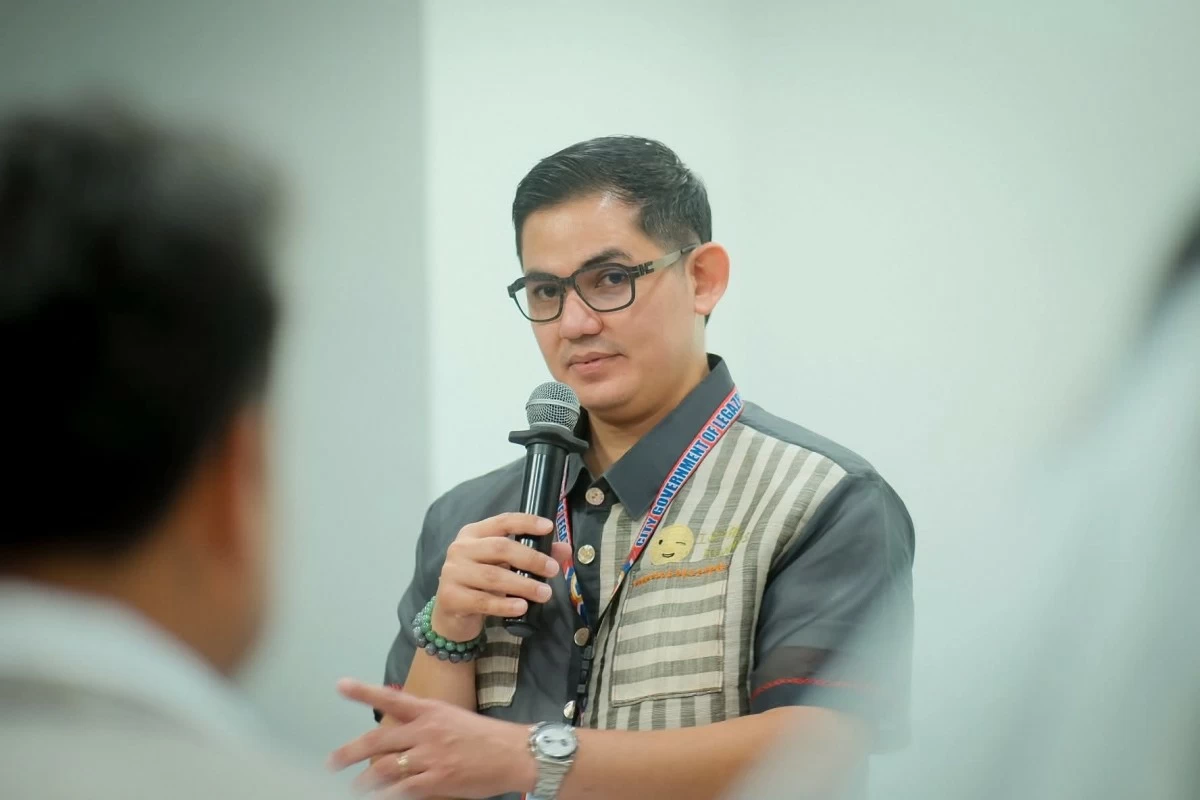
ISMAIL (FB)
ISMAIL (FB)
Legazpi City issued an advisory on Monday night, Jan. 19, after light ashfall was reported in the northern part of the city due to the continuing activity of Mayon Volcano.
Mayor Hisham Ismail urged the public to take precautionary measures, particularly to protect their health, as ashfall affected several areas.
The ashfall was attributed to wind carrying volcanic ash from Mayon towards the city.
Residents were advised to remain indoors as much as possible to avoid inhaling ash.
Those who need to go outside were instructed to wear facemasks or use a damp cloth to cover their nose and mouth and wear goggles to protect their eyes.
The advisory emphasized keeping doors and windows closed to prevent ash from entering homes, covering food and water supplies, washing fruits and vegetables thoroughly before consumption, and ensuring that pets are kept sheltered and away from ash-contaminated grass.
While ashfall was initially observed in the northern barangays, traces were also reported in the city center and southern parts of Legazpi.
According to the Philippine Institute of Volcanology and Seismology (Phivolcs), Mayon Volcano recorded 13 volcanic earthquakes, 340 rockfall events, and 45 pyroclastic density currents (PDCs), locally known as “uson,” on Jan. 20.
Phivolcs noted the continued extrusion of lava from the summit and the sustained swelling of the volcano’s edifice.
Dr. Paul Alanis, Supervising Science Research Specialist of the DOST-Phivolcs Mayon Volcano Observatory, confirmed that light ashfall was also experienced in the municipality of Daraga but described it as thin.
He explained that the ash did not come directly from explosive activity within the volcano but was generated by rockfall events.
“The ashfall experienced came from rockfall events and not directly from inside Mayon. When rocks collide, ash clouds are formed, and these are what fall on nearby communities,” Alanis said.
Last week, ashfall was reported in the towns of Guinobatan, Daraga, Camalig, and Santo Domingo and  Ligao City, and Legazpi City.
Alanis said the public may continue to experience similar conditions as Mayon remains restless.
He added that Phivolcs is closely monitoring the volcano while considering three possible scenarios: A situation similar to the 2023 eruption that remained at Alert Level 3; a developing eruption comparable to the 2018 activity; or a worst-case scenario similar to the 2000 eruption, which reached Alert Level 5, though he stressed that the probability of the worst-case scenario remains low.
Authorities advised residents to stay calm but vigilant and continue monitoring official updates from Phivolcs and the local government.

Related Tags

Mayon Volcano Legazpi City Ashfall
ADVERTISEMENT
.most-popular .layout-ratio{ padding-bottom: 79.13%; } @media (min-width: 768px) and (max-width: 1024px) { .widget-title { font-size: 15px !important; } }

{{ articles_filter_1561_widget.title }}

.most-popular .layout-ratio{ padding-bottom: 79.13%; } @media (min-width: 768px) and (max-width: 1024px) { .widget-title { font-size: 15px !important; } }

{{ articles_filter_1562_widget.title }}

.most-popular .layout-ratio{ padding-bottom: 79.13%; } @media (min-width: 768px) and (max-width: 1024px) { .widget-title { font-size: 15px !important; } }

{{ articles_filter_1563_widget.title }}

{{ articles_filter_1564_widget.title }}

.mb-article-details { position: relative; } .mb-article-details .article-body-preview, .mb-article-details .article-body-summary{ font-size: 17px; line-height: 30px; font-family: "Libre Caslon Text", serif; color: #000; } .mb-article-details .article-body-preview iframe , .mb-article-details .article-body-summary iframe{ width: 100%; margin: auto; } .read-more-background { background: linear-gradient(180deg, color(display-p3 1.000 1.000 1.000 / 0) 13.75%, color(display-p3 1.000 1.000 1.000 / 0.8) 30.79%, color(display-p3 1.000 1.000 1.000) 72.5%); position: absolute; height: 200px; width: 100%; bottom: 0; display: flex; justify-content: center; align-items: center; padding: 0; } .read-more-background a{ color: #000; } .read-more-btn { padding: 17px 45px; font-family: Inter; font-weight: 700; font-size: 18px; line-height: 16px; text-align: center; vertical-align: middle; border: 1px solid black; background-color: white; } .hidden { display: none; }
function initializeAllSwipers() { // Get all hidden inputs with cms_article_id document.querySelectorAll('[id^="cms_article_id_"]').forEach(function (input) { const cmsArticleId = input.value; const articleSelector = '#article-' + cmsArticleId + ' .body_images'; const swiperElement = document.querySelector(articleSelector); if (swiperElement && !swiperElement.classList.contains('swiper-initialized')) { new Swiper(articleSelector, { loop: true, pagination: false, navigation: { nextEl: '#article-' + cmsArticleId + ' .swiper-button-next', prevEl: '#article-' + cmsArticleId + ' .swiper-button-prev', }, }); } }); } setTimeout(initializeAllSwipers, 3000); const intersectionObserver = new IntersectionObserver( (entries) => { entries.forEach((entry) => { if (entry.isIntersecting) { const newUrl = entry.target.getAttribute("data-url"); if (newUrl) { history.pushState(null, null, newUrl); let article = entry.target; // Extract metadata const author = article.querySelector('.author-section').textContent.replace('By', '').trim(); const section = article.querySelector('.section-info ').textContent.replace(' ', ' '); const title = article.querySelector('.article-title h1').textContent; // Parse URL for Chartbeat path format const parsedUrl = new URL(newUrl, window.location.origin); const cleanUrl = parsedUrl.host + parsedUrl.pathname; // Update Chartbeat configuration if (typeof window._sf_async_config !== 'undefined') { window._sf_async_config.path = cleanUrl; window._sf_async_config.sections = section; window._sf_async_config.authors = author; } // Track virtual page view with Chartbeat if (typeof pSUPERFLY !== 'undefined' && typeof pSUPERFLY.virtualPage === 'function') { try { pSUPERFLY.virtualPage({ path: cleanUrl, title: title, sections: section, authors: author }); } catch (error) { console.error('ping error', error); } } // Optional: Update document title if (title && title !== document.title) { document.title = title; } } } }); }, { threshold: 0.1 } ); function showArticleBody(button) { const article = button.closest("article"); const summary = article.querySelector(".article-body-summary"); const body = article.querySelector(".article-body-preview"); const readMoreSection = article.querySelector(".read-more-background"); // Hide summary and read-more section summary.style.display = "none"; readMoreSection.style.display = "none"; // Show the full article body body.classList.remove("hidden"); } document.addEventListener("DOMContentLoaded", () => { let loadCount = 0; // Track how many times articles are loaded const offset = [1, 2, 3, 4, 5, 6, 7, 8, 9, 10]; // Offset values const currentUrl = window.location.pathname.substring(1); let isLoading = false; // Prevent multiple calls if (!currentUrl) { console.log("Current URL is invalid."); return; } const sentinel = document.getElementById("load-more-sentinel"); if (!sentinel) { console.log("Sentinel element not found."); return; } function isSentinelVisible() { const rect = sentinel.getBoundingClientRect(); return ( rect.top < window.innerHeight && rect.bottom >= 0 ); } function onScroll() { if (isLoading) return; if (isSentinelVisible()) { if (loadCount >= offset.length) { console.log("Maximum load attempts reached."); window.removeEventListener("scroll", onScroll); return; } isLoading = true; const currentOffset = offset[loadCount]; window.loadMoreItems().then(() => { let article = document.querySelector('#widget_1690 > div:nth-last-of-type(2) article'); intersectionObserver.observe(article) loadCount++; }).catch(error => { console.error("Error loading more items:", error); }).finally(() => { isLoading = false; }); } } window.addEventListener("scroll", onScroll); });

Sign up by email to receive news.