






Manila Bulletin
 Business
The Economy
AI-driven cyber fraud now biggest threat to global business, World Economic Forum warns
Business
The Economy
AI-driven cyber fraud now biggest threat to global business, World Economic Forum warns
Business
The Economy
AI-driven cyber fraud now biggest threat to global business, World Economic Forum warns
AI-driven cyber fraud now biggest threat to global business, World Economic Forum warns
Published Jan 13, 2026 11:13 am
|
Updated Jan 13, 2026 01:00 pm


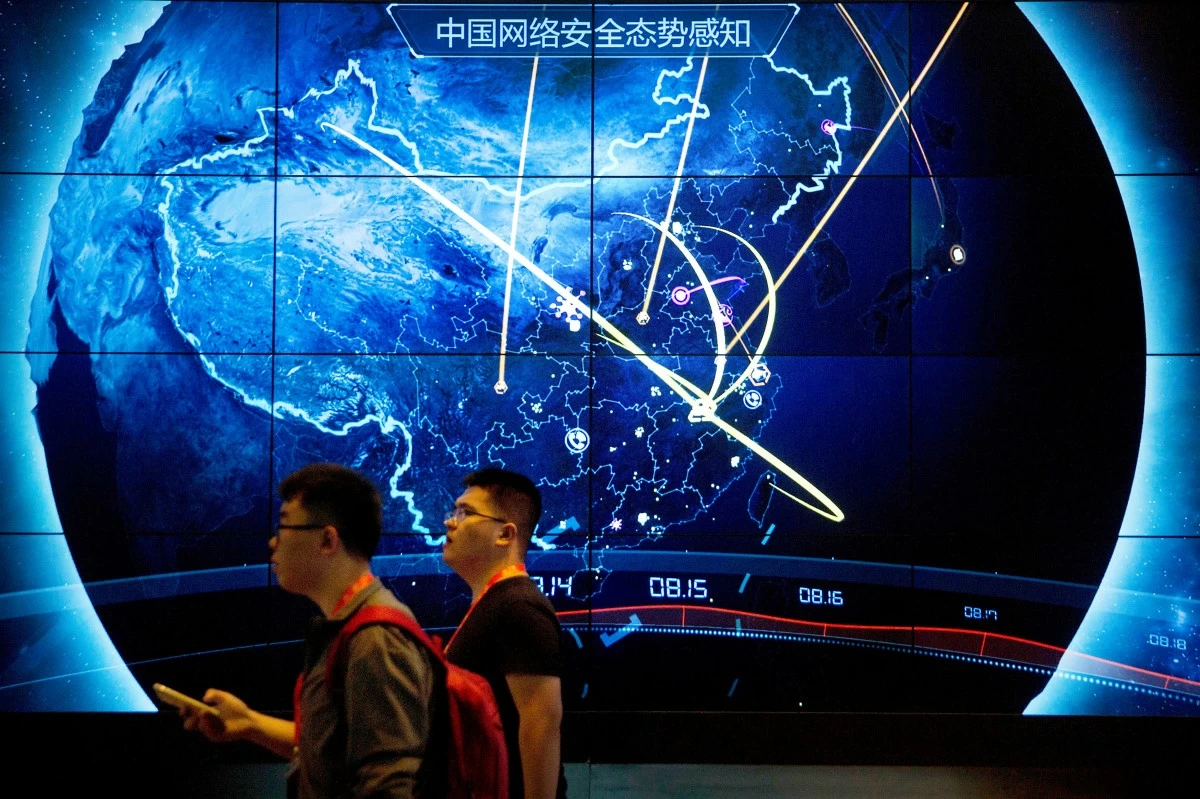
FILE - Attendees walk past an electronic display showing recent cyberattacks in China at the China Internet Security Conference in Beijing on Sept. 12, 2017. (AP Photo/Mark Schiefelbein, File)
Businesses around the world are bracing for intensified cyberattacks, especially cyber fraud, which they now consider the biggest threat to global business, according to the Geneva-based World Economic Forum (WEF).
WEF’s Global Cybersecurity Outlook 2026, released Monday, Jan. 12, warned that the global cyber landscape is becoming more dangerous, more politicized, and more technologically sophisticated at an unprecedented speed.
“Cyber-enabled fraud has overtaken ransomware as CEOs’ [chief executive officers] top concern,” the report stressed, noting that 87 percent of respondents reported increased artificial intelligence (AI)-related vulnerabilities last year, while 94 percent of leaders expect AI to be the dominant force shaping cybersecurity in 2026.
The report, produced with Accenture, cautioned that cyber-enabled fraud is a growing global threat, drawing on a survey of 804 business leaders from 92 countries, including 105 CEOs, 316 chief information security officers (CISOs), and 123 other C-suite executives.
The report emphasized that AI is amplifying both cyberattack and defense capabilities, while geopolitical fragmentation is further heightening risks by reshaping cybersecurity strategies and widening preparedness gaps across regions.
The report also noted that the cyber landscape is undergoing deep structural changes, making cyber resilience no longer a purely technical concern but a strategic requirement essential to economic stability, national resilience, and public trust.
“As cyber risks become more interconnected and consequential, cyber-enabled fraud has emerged as one of the most disruptive forces in the digital economy, undermining trust, distorting markets and directly affecting people’s lives,” said WEF managing director Jeremy Jurgens.
“The challenge for leaders is no longer just understanding the threat but acting collectively to stay ahead of it. Building meaningful cyber resilience will require coordinated action across governments, businesses and technology providers to protect trust and stability in an increasingly AI-driven world,” he added.
The report stressed that a wide resilience gap persists, with skills and resource shortages increasing systemic risk, while opaque global supply chains and widening cyber capability gaps leave smaller organizations and emerging economies more vulnerable.
“The weaponization of AI, persistent geopolitical friction and systemic supply chain risks are upending traditional cyber defenses. For C-suite leaders, the imperative is clear; they must pivot from traditional cyber protection to cyber defense powered by advanced and agentic AI to be resilient against AI-driven threat actors,” said Accenture cybersecurity global lead Paolo Dal Cin.
He added, “True business resilience is built by fusing cyber strategy, operational continuity and foundational trust—enabling organizations to swiftly adapt to the dynamic threat landscape.”
Meanwhile, Singapore’s Minister for Digital Development and Information, and Minister-in-Charge of Cybersecurity and Smart Nation Group Josephine Teo said AI is reshaping cybersecurity, boosting detection and response when used responsibly but posing serious risks if misused.
“Governments therefore need a forward-looking and collaborative approach to ensure AI enhances cyber resilience while minimizing risks that increasingly transcend borders,” she added.
The report concluded by urging leaders across sectors to move beyond isolated efforts, calling on them to share intelligence, align standards, and invest in capabilities to create a more secure and resilient digital environment for all organizations.