






Manila Bulletin
 Philippines
Mindanao
Nickel extracted from Mati City supplies global EV battery market
Philippines
Mindanao
Nickel extracted from Mati City supplies global EV battery market
Philippines
Mindanao
Nickel extracted from Mati City supplies global EV battery market
Nickel extracted from Mati City supplies global EV battery market
By Ivy Tejano
Published Jan 5, 2026 06:32 pm


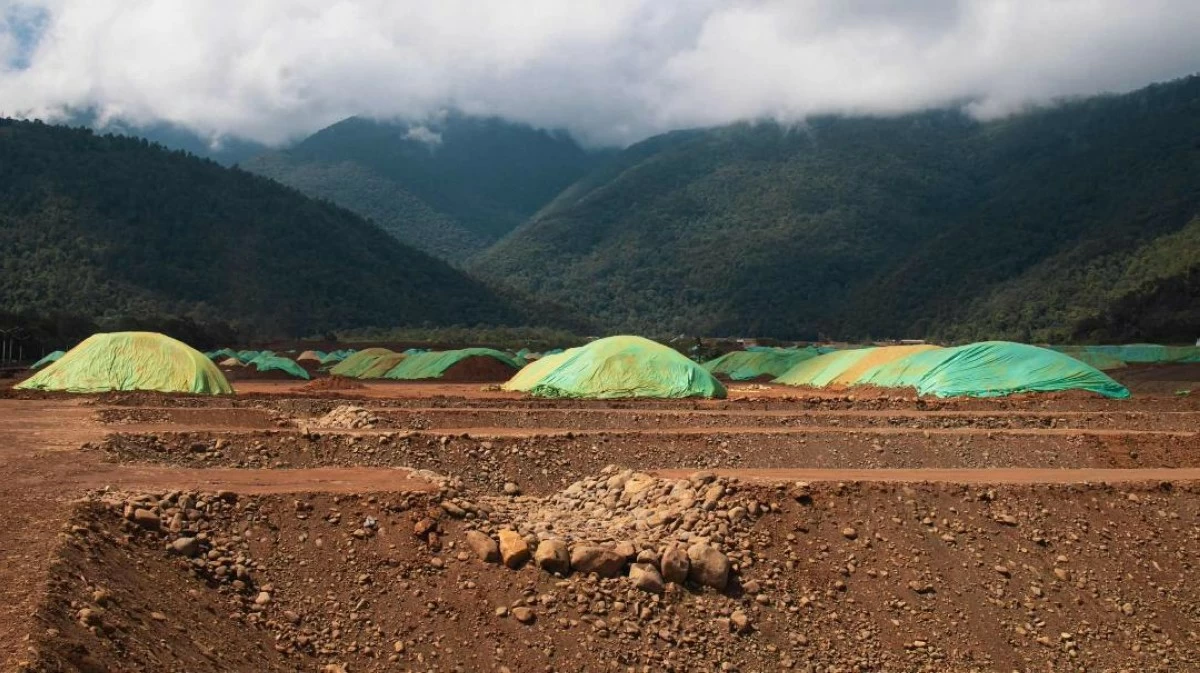
MATI CITY, Davao Oriental – Nickel laterite ore extracted in Mati City has entered the global supply chain for electric vehicle (EV) batteries, as demand for the metal rises in tandem with the expansion of renewable energy and clean transportation technologies, according to Hallmark Mining Corp.
Jose Butch Sebua, spokesperson for Hallmark Mining Corp., said nickel produced from its operations in Mati City has been shipped to China and Indonesia from 2022 to 2025, where it is processed for use in EV batteries.
The company operates the Pujada Nickel Project under government-approved Mineral Production Sharing Agreements in partnership with Austra-Asia Link Mining.
“Nickel, traditionally used in stainless steel, has become a critical component in lithium-ion batteries for electric vehicles. As global decarbonization efforts intensify, industry forecasts predict continued growth in demand for battery-grade nickel through 2040,” Sebua said.
The Philippines is the world’s second-largest nickel producer, recording about 330,000 metric tons of output in 2023, according to industry data. Nickel laterite deposits across the country, including those in Davao Oriental, are considered key to meeting future global requirements.
Sebua said the company’s operations comply with standards set by the Department of Environment and Natural Resources, including erosion control, runoff management, and continuous environmental monitoring.
“The overall scope of our environmental protection plan covers key aspects of air, water, land, and biodiversity,” he said, adding that the company conducts dust monitoring, river and watershed monitoring, as well as topsoil and land rehabilitation.
Sebua said the firm also undertakes native tree planting beyond the Mati Protected Area in coordination with the DENR.
Aside from mineral production, the company highlighted its Social Development and Management Program, which supports projects in agriculture, education, healthcare, and livelihoods in host communities.
Hallmark prioritizes hiring residents. One of its long-time employees, warehouse worker Richard Ching, noted that employment opportunities expanded after mining operations commenced.
“Since the mining operations commenced, many locals have been hired. In the past, livelihood opportunities were scarce,” Ching said, adding that on his end, mining provided a more stable source of income for many families.
The Hallmark spokesperson also emphasized that Indigenous Peoples’ communities receive royalty shares from nickel sales, as required by law. The company allocates P20 million annually for SDMP initiatives, including scholarships, water systems, road repairs, and other basic services benefiting IP communities, Sebua added.
According to Hallmark, the company collaborates with government agencies, Indigenous Peoples, academic institutions, and residents to plan for mine closure and post-mining livelihoods.
Sebua said the company aims to rehabilitate mined areas and help establish alternative sources of income before operations end.
“We want to contribute to cross-community development so that before Hallmark leaves, the people will already be benefiting from the mining proceeds and have alternative livelihoods,” he said.
Nickel mined in Mati City forms part of the raw materials used in electric vehicles deployed worldwide, linking the city to the global clean energy transition.
Sebua said the company officials stated that they aim to demonstrate that mining, when conducted under regulatory oversight with environmental and social safeguards, can contribute to both global sustainability goals and local development.