







Yamsuan eyes abolition of travel tax on trips to ASEAN states
Published Dec 31, 2025 12:14 pm


At A Glance
- Parañaque City 2nd district Rep. Brian Raymund Yamsuan is batting for the abolition of the travel tax for Filipinos and other ASEAN nationals leaving the Philippines and visiting other ASEAN member-states.
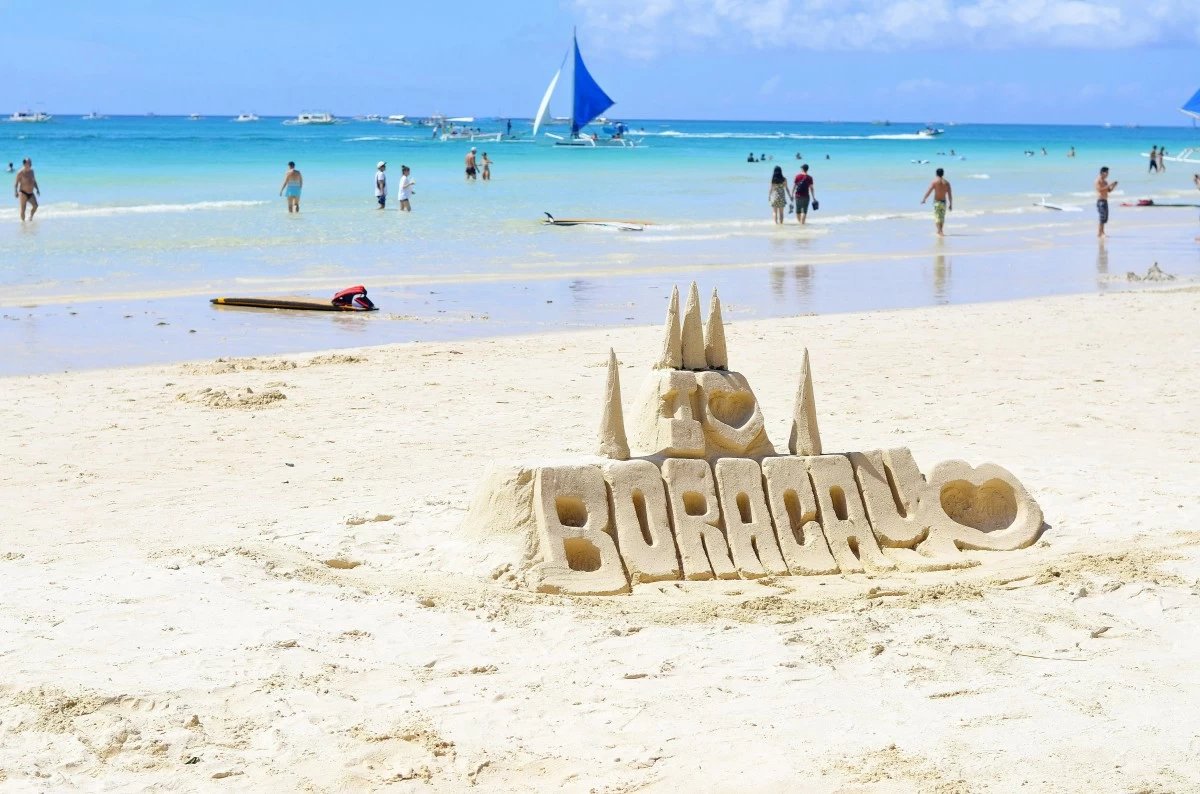
Bocaray, arguably the crown jewel of Philippine tourism (Unsplash)
Parañaque City 2nd district Rep. Brian Raymund Yamsuan is batting for the abolition of the travel tax for Filipinos and other ASEAN nationals leaving the Philippines and visiting other ASEAN member-states.
Yamsuan filed for this purpose House Bill (HB) No. 4793, with the end goal of boosting local tourism amid the booming $59-billion tourism market of the Association of Southeast Asian Nations (ASEAN).
Yamsuan pointed to a report quoting an official of the Tourism Infrastructure and Enterprise Authority (TIEZA) as saying that the agency is eyeing the exemption of “certified” travel vloggers from paying the travel tax.
According to the report, TIEZA Chief Operating Officer Mark Lapid broached the proposal and is planning to ask his father, Senator Lito Lapid, to file a bill to make the exemption for travel bloggers.
“Bakit may mga exemptions pa, pwede namang lahat mabenepisyuhan? (Why make exemptions when everyone can benefit?)" Yamsuan in response to the proposal.
“The fact that TIEZA is mulling this exemption means imposing the outdated travel tax is a disincentive to personal travel. A small family of four planning to visit another ASEAN state like Singapore or Thailand has to shell out P1,620 for each member if they want to book economy class seats, or almost P6,500 in total that they could have otherwise saved or spent elsewhere,” the congressman noted.
If HB No.4793 becomes law, the travel tax would be removed for Filipinos and other
ASEAN nationals visiting the 11 Southeast Asian states of the Philippines, Brunei Darussalam, Cambodia, Indonesia, Laos, Malaysia, Myanmar, Singapore, Thailand, Vietnam and Timor-Leste.
Yamsuan said the revenue losses from abolishing the tax, estimated by the Department of Finance (DOF) at about P5 billion annually, would be offset by the greater benefit of stimulating the economy and generating increased revenues for tourism.
Independent estimates place the benefits to the economy of removing the travel tax at close to P300 billion.
The Parañaque lawmaker also pointed out that abolishing the travel tax fulfills the Philippines’ commitment under the ASEAN Tourism Agreement of 2002 on facilitating travel within Southeast Asia. Article 2 of the agreement states that this should be done by, among others, “phasing out travel levies and travel taxes on nationals of ASEAN member states traveling to other ASEAN member states".
Under Presidential Decree (PD) No. 1183 issued almost 50 years ago, all citizens of the Philippines, permanent resident aliens, and non-immigrant aliens who have stayed in the Philippines for a period of not less than one year shall pay the travel tax. The current rates imposed by TIEZA are P2,700 for business class and P1,620 for economy class passengers.
Currently exempted from paying the tax are overseas Filipino workers (OFWs), and infants two years old and below, among others.
The original purpose of the law was to fund the development of historic and cultural sites and tourist destinations, as well as tourism-related educational programs.
“But with other revenue sources such as the income tax, value added tax and other levies imposed on our citizens, the travel tax has become redundant and just an added burden to our kababayans, who under our Constitution, are guaranteed the right to travel freely,” Yamsuan said.
He says his proposal is not new as the government has made efforts consistent with removing the travel tax.