






Manila Bulletin
 Business
Banking & Finance
Banks become cautious on real estate loans despite rising condo sales
Business
Banking & Finance
Banks become cautious on real estate loans despite rising condo sales
Business
Banking & Finance
Banks become cautious on real estate loans despite rising condo sales
Banks become cautious on real estate loans despite rising condo sales
By Derco Rosal
Published Dec 17, 2025 03:13 pm


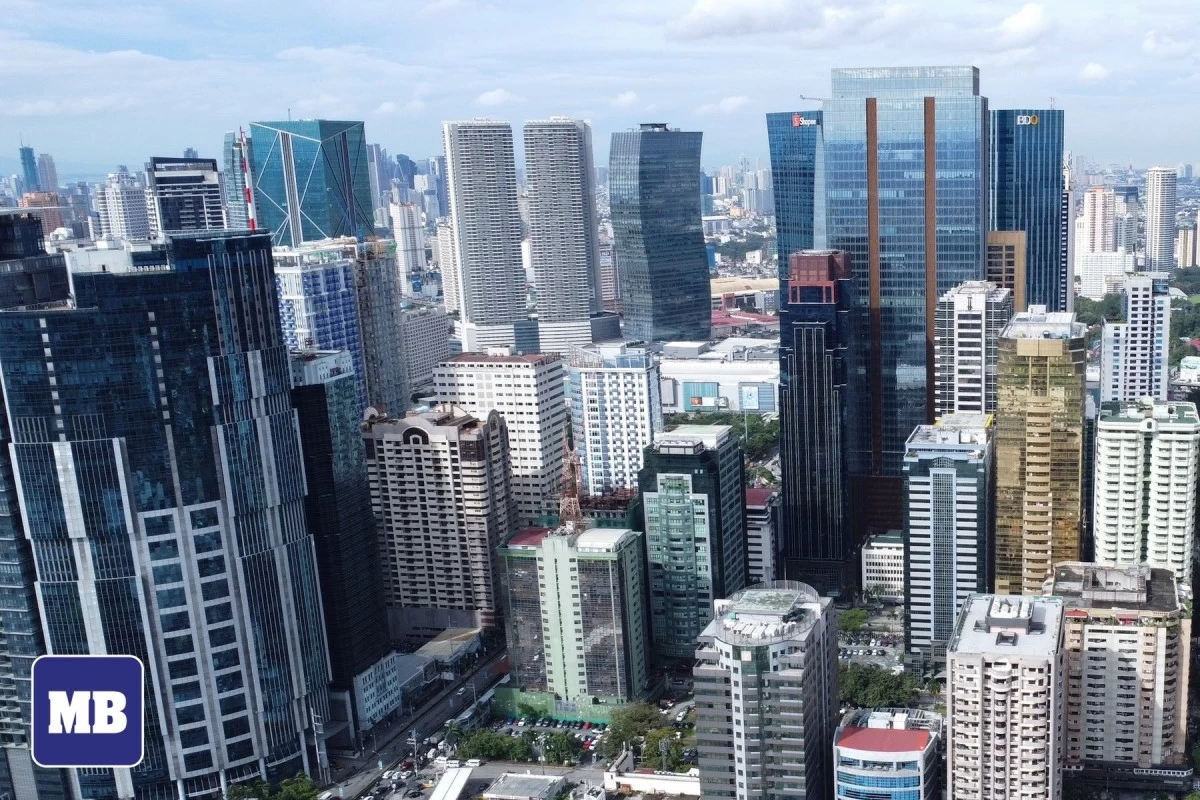
High-rise buildings in the Ortigas Business Center. (Photo by Santi San Juan | MB)
Philippine banks’ exposure to the property sector eased slightly in the third quarter as lenders maintained a cautious stance despite signs of a recovery in Metro Manila’s condominium market.
According to the latest data from the Bangko Sentral ng Pilipinas, real estate exposure for banks and their trust units settled at 19.54 percent of the industry’s total loan book as of end-September, a marginal decline from 19.55 percent a year earlier and 19.61 percent in the second quarter.
As of September, total real estate loans grew 9.2 percent to ₱3.1 trillion from ₱2.84 trillion in the same period last year, a 2.3 percent increase from the previous quarter. However, real estate investments dropped 5.8 percent to ₱354.7 billion.
The BSP data showed that the decline in investments was driven by a 5.5 percent slide in debt securities to ₱232.5 billion and a 6.2 percent fall in equity securities to ₱122.3 billion.
The shift comes as banks grapple with structural changes in the property market.
Michael Ricafort, chief economist at Rizal Commercial Banking Corp., said the easing exposure likely reflects more cautious lending amid higher vacancy rates and a glut in residential units, particularly in areas previously dominated by Philippine offshore gaming operations.
A government-mandated ban on the offshore gaming industry took effect in 2024.
Residential real estate loans climbed 11.2 percent to ₱1.19 trillion during the period, while commercial loans rose 7.3 percent to ₱1.91 trillion.
On a standalone basis, bank real estate loans reached ₱3.09 trillion, up 8.8 percent from 2024, though their direct real estate investments slumped nearly 14 percent to ₱90.2 billion.
The cooling of bank exposure contrasts with a pickup in the Metro Manila pre-selling market.
Real estate broker Colliers Philippines earlier reported that demand for condominiums outperformed expectations for two consecutive quarters, as a decrease in buyer backouts suggests a more stable recovery.
The property services firm noted that units priced between ₱2.5 million and ₱12 million accounted for more than 90 percent of net take-up in the first nine months of 2025.
Developers’ promotions for ready-for-occupancy units have remained a primary driver for local workers and overseas Filipino investors.