






Manila Bulletin
 Business
Trade & Industry
US dairy investing in Filipino chefs to battle competition
Business
Trade & Industry
US dairy investing in Filipino chefs to battle competition
Business
Trade & Industry
US dairy investing in Filipino chefs to battle competition
US dairy investing in Filipino chefs to battle competition
Knowledge as differentiator:
Published Dec 13, 2025 07:21 am


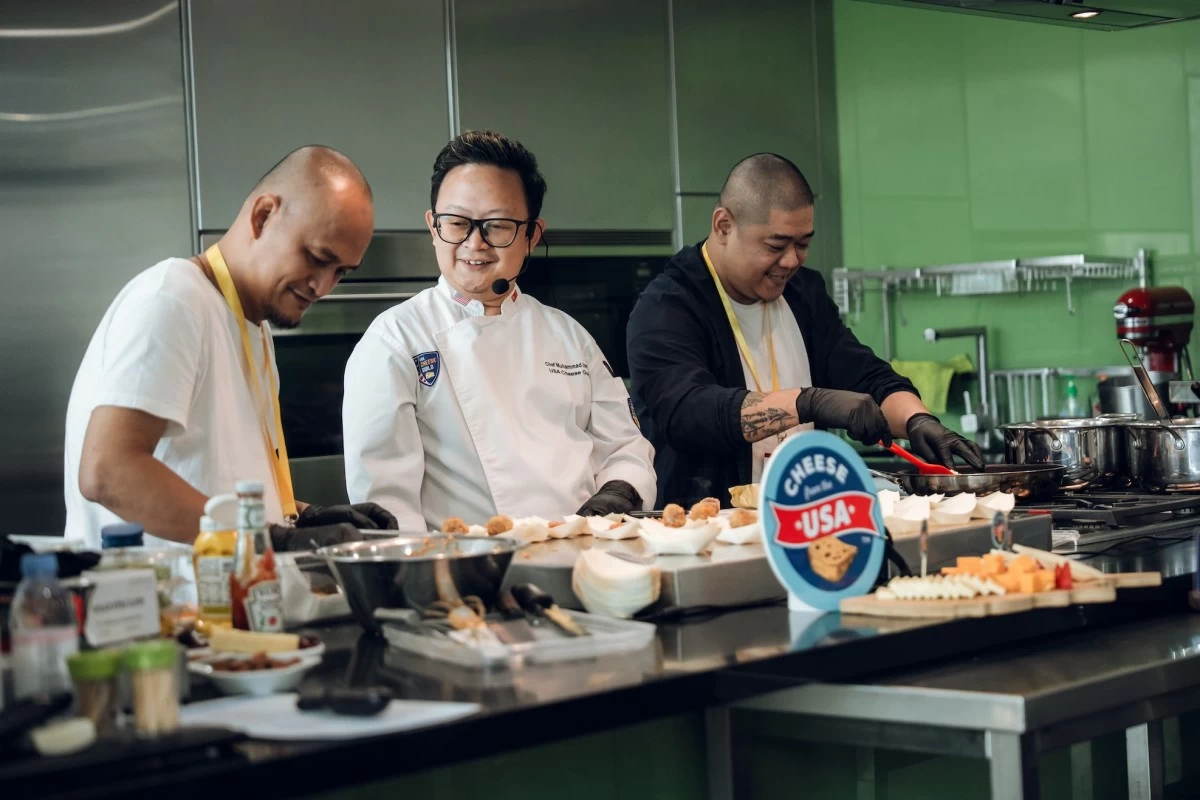
USA Cheese Specialist and Chef Consultant Muhammad Imran led the training session for industry and culinary professionals.
As the Philippines secures its position as a top-nine global market for United States (US) agricultural exports, American dairy organizations are now financing professional certification programs to build the sustainable trade links required to support recent double-digit growth in cheese shipments.
This pivot is being driven by the USA Cheese Guild, which is shifting its focus from simple product distribution to educational and industry engagement to deepen local capabilities and solidify appreciation for American dairy exports.
The Philippines has already cemented its role as one of the fastest-growing markets for Washington’s agricultural products in Asia, ranking ninth globally among all US agricultural export destinations. Shipments to Manila swelled by 33 percent over the decade leading up to 2023. At the vanguard of this growth is the dairy sector.
US cheese exports to the Philippines jumped 24 percent in 2024 compared to the previous year, a trajectory that analysts attributed to both competitive sourcing and a maturing consumer palate. While fresh cheeses, led predominantly by cream cheese, still account for a major share of exports, a shift is underway.
American Original varieties and other staples, including white cheddar, sharp cheddar, and Monterey Jack, are now steadily gaining traction in both retail and burgeoning foodservice channels.
A market ripe for variety
The surging demand is underpinned by favorable consumption metrics among the urban, middle- to high-income demographic. Research from the US Dairy Export Council (USDEC) showed near-universal consumption, with 99 percent of this target group eating cheese.
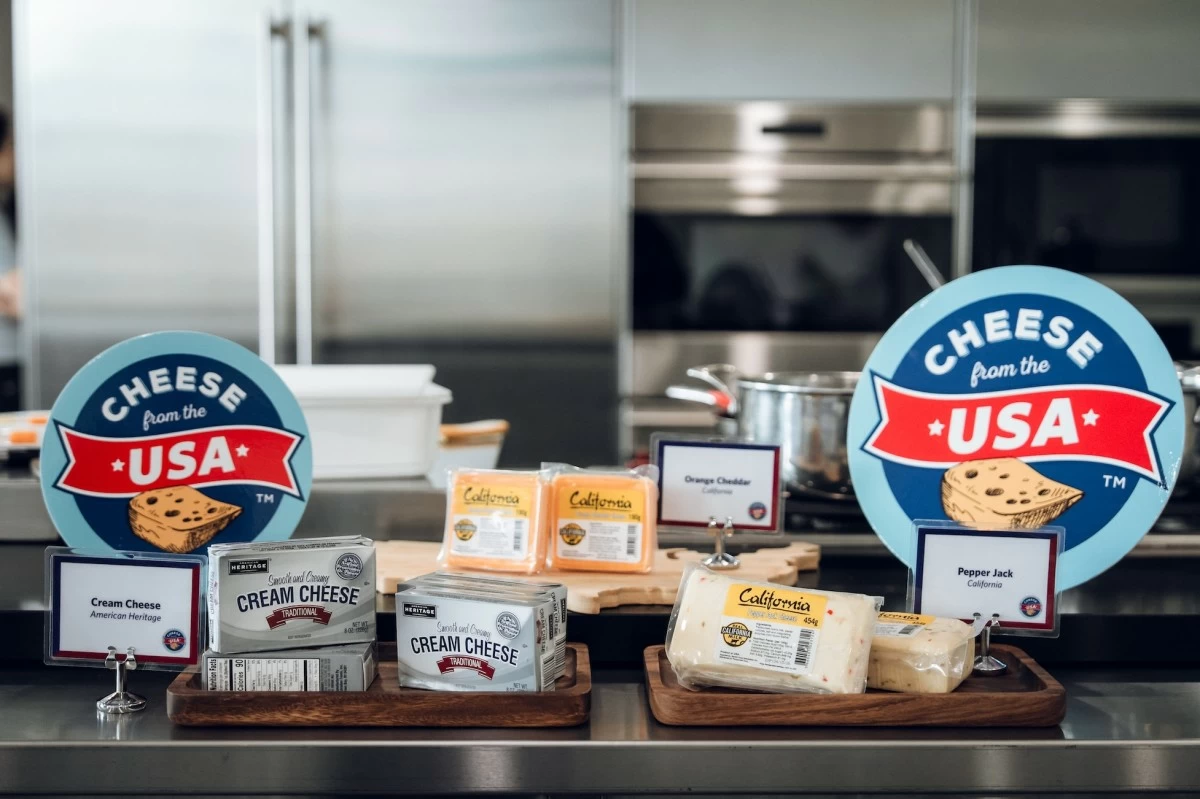
From Cream Cheese to Pepper Jack, USA Cheeses continue to make their mark in the Philippines — reflecting the growing local appetite for premium, versatile dairy products.
Crucially, a striking 82 percent consume cheese at least weekly or more often, signaling that cheese is shifting from a specialty or occasional ingredient to a dietary staple.
In the highly competitive Philippine cheese import market, the US still faces established rivals, notably New Zealand and Australia, which leverage geographic proximity and favorable trade agreements. These markets have historically dominated basic dairy staples and processed cheese forms favored by local consumers, who are also served by local processed cheese companies offering affordable, localized products like keso and cheese spreads.
The US is now focusing its efforts on high-value, natural, and premium varieties to showcase its quality and innovation to urban consumers increasingly seeking healthier, more premium food experiences.
This rising appetite signals an opportunity for local food operators. As awareness of global cheese varieties expands beyond basic processed options, Filipino chefs and food businesses are positioned to innovate, expand their menus, and meet the demand for more sophisticated, high-quality cheese experiences.
Innovation through certification
To support this transition and ensure sustainable market growth, the USA Cheese Guild launched the USA Cheese Specialist™ Certification Program (CSCP) in 2024. This program is designed for a professional audience—from culinary students and professional chefs to retailers and distributors—and is delivered across five distinct tracks tailored to the customized needs of each group.
The curriculum offers training on the spectrum of American cheese varieties, emphasizing critical knowledge in handling, storage, applications, and pairings. The philosophy, according to culinary experts, is to transform product knowledge into culinary creativity.
“Educating chefs and culinary professionals on the proper cheese handling and application doesn’t just improve kitchen efficiency - it sparks innovation,” shared USA Cheese Specialist and Chef Consultant Muhammad Imran.
“Our goal is for more Filipino chefs to discover the versatility of USA Cheeses and use them to create new flavour experiences for local diners,” he added.
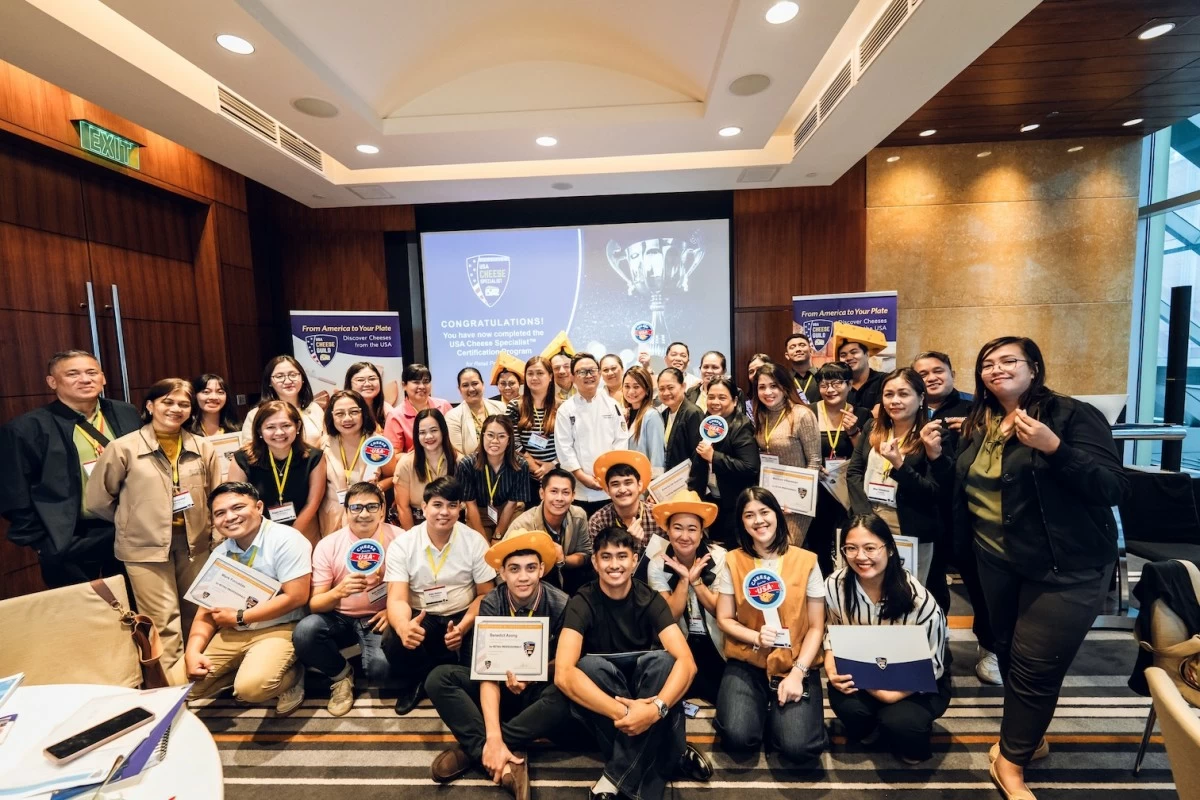
The USA Cheese Guild gathered experts in the culinary and trade sectors in an effort to bridge the gap in the rising demand for US Dairy.
Graduates of the CSCP leave with an understanding of the heritage and craftsmanship behind American cheeses, an ability to distinguish the qualities of American Originals, and practical expertise in merchandising and beverage accompaniment.
To date, the program has trained over 200 USA Cheese Specialists, creating a knowledgeable, localized talent pool that spans the entire supply chain, from importers to culinary professionals. This on-the-ground expertise is a critical differentiator against competitors who may lack such focused education initiatives.
Retailers see quality parity, versatility
The training’s impact is evident in the enthusiastic response from the Philippines’ retail sector. Industry leaders are now recognizing the quality parity between American and traditional European cheeses—a key insight that helps overcome perceptions of US cheese being solely limited to mass-market processed products.
“One key learning is that the USA produces many cheeses that can match European ones in taste and quality,” remarked Rowena Santiago, Senior Buyer of S&R Membership Shopping. “They are flavorful and very versatile. I would like to share this with our team and members so they can appreciate and try more USA Cheeses.”
The immediate commercial application of this knowledge is already shaping in-store strategy. Karen Evangelista, Merchandising Director of The Marketplace, highlighted the demand for convenience.
“We are very excited about the growing interest in quick and easy food options,” she said. “As we continue to develop our in-store foodservice hubs, we see a great chance to include more USA Cheese in our ready-to-go meals. Cheese adds flavor, quality, and comfort to food, and we believe customers will really enjoy these new offerings.”
Building enduring trade ecosystem
The Guild’s strategy extends beyond education to cultivating a supportive, long-term trade ecosystem. This includes providing local retailers, distributors, and partners with actionable market insights, collaborating with chefs on developing relevant product applications for the local palate, and facilitating crucial connections with US cheese suppliers. These combined efforts are designed to enable Filipino businesses to capture new growth opportunities while simultaneously strengthening the enduring trade links between the two countries.
Consumer engagement is being driven through targeted strategic restaurant collaborations. A limited-edition partnership with Subway® Philippines recently featured a premium Smoked Gouda from Oralife in its seasonal Gouda Pineapple Ham Sub.
This campaign followed the earlier introduction of the Triple Cheese Steak Sub, which featured the Shredded Mexican Blend from Joseph Farms. These promotions serve as high-visibility showcases, introducing the distinctive taste, quality, and versatility of US cheeses to the mass market, building brand equity and trial frequency.
“Our long-term vision is to build a knowledgeable, well-supported network of culinary and trade professionals who understand the value and potential of USA Cheeses,” said Dali Ghazalay, Regional Director for Southeast Asia at USDEC.
“The Philippines is already one of the top importers of US dairy in Southeast Asia, making it a natural next step to expand our efforts here. By investing in education and direct engagement, we’re paving the way for sustainable growth in the Philippines, as we build deeper appreciation of Cheese from the USA among Filipino professionals and consumers alike."
The focus on creating knowledgeable local advocates acts as a firewall against competition, ensuring that US products are not just bought, but expertly specified and utilized.
The USA Cheese Guild’s multi-pronged approach—educating the professional class, supporting retail innovation, and driving consumer trials—signals a sophisticated strategy to secure the Philippines as a top-tier dairy export market for the US in the next decade, moving the conversation from price-based competition to value and quality.