






Manila Bulletin
 Business
Trade & Industry
Gov't vows to settle LRT-1 debt by next year amid MPIC divestment talk
Business
Trade & Industry
Gov't vows to settle LRT-1 debt by next year amid MPIC divestment talk
Business
Trade & Industry
Gov't vows to settle LRT-1 debt by next year amid MPIC divestment talk
Gov't vows to settle LRT-1 debt by next year amid MPIC divestment talk
Published Dec 11, 2025 03:34 pm


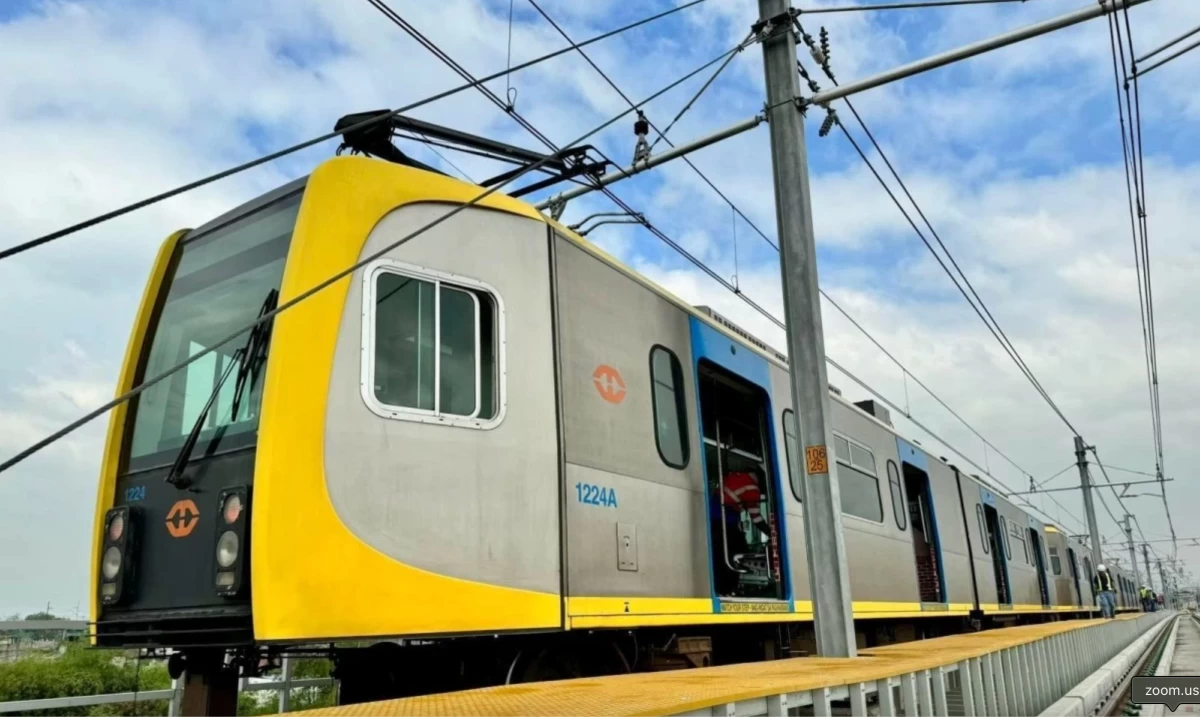
The government aims to settle its outstanding obligations to Light Rail Manila Corp. (LRMC) by next year, after one of the major investors in the Light Rail Transit Line 1 (LRT-1) operator considered selling its stake.
Acting Transportation Secretary Giovanni Lopez said last month that the government is exploring options on how to settle its “undisputed” debt of up to ₱4 billion to LRMC.
Lopez said the Department of Transportation (DOTr) has paid only ₱500 million so far, or 12.5 percent of the total obligations, since LRMC assumed operations and maintenance of LRT-1 in 2015.
To honor its side of the agreement, Lopez said the agency has requested a special allotment release order (SARO) for a total of ₱1 billion.
Issued by the Department of Budget and Management (DBM), a SARO authorizes a government agency to obligate funds for specific purposes, including debt repayment.
“Hopefully, our timeline is that we can provide around ₱1 billion for the next two months when our SARO request comes out,” Lopez told Manila Bulletin.
He said the remaining obligations would be covered by the DOTr’s proposed budget for next year, which the agency had earlier requested be included.
“We believe it has already been included, so we should be able to pay [the outstanding obligations] next year,” said Lopez.
“And there you will see that when the government has an obligation, it fulfills them,” he added.
The government is racing to settle its debt with LRMC after business tycoon Manuel V. Pangilinan said he is considering selling the stake of Metro Pacific Investments Corp. (MPIC) in the LRT-1 operator.
LRMC earlier admitted that it’s not in a good financial position, primarily due to unfulfilled government obligations over the past decade.
LRMC has been active in upgrading LRT-1, including the ongoing development of new stations as part of the Cavite Extension project, yet the government is failing to uphold its end of the bargain.
Last month, Pangilinan said his company is exploring the potential divestment of its 38.5 percent stake in LRMC following investor complaints about mounting losses.
In particular, ridership has been a major concern for LRT-1 since the railway has yet to recover its pre-pandemic traffic of around 500,000 passengers per day.
But as of December, Lopez said the tide is turning in LRMC's favor as daily ridership is now averaging around 450,000 passengers.
In a document seen by Manila Bulletin, ridership on Monday, Wednesday, and Friday during the first week of the month even exceeded 500,000.
Lopez noted that this reflects growing demand for the rail line, given that last year's average daily ridership was only around 323,000.
Even then, the government still has some catching up to do on the proposed hike petitions for LRT-1.
Under the concession agreement, LRMC may seek a fare adjustment once every two years.
But LRMC has only been allowed to increase fares twice since it assumed operations of LRT-1.
The operator previously reported a fare deficit of ₱2.17 billion due to rejected fare increases.