







By: Gerald Glenn F. Panganiban, Ph.D.
Director, Bureau of Plant Industry and National Urban and Periurban Agriculture ProgramLandmark seed quality facility now in BARMM
Published Nov 17, 2025 08:59 am


“All the flowers of all the tomorrows are in the seed of today.” – Chinese Proverb
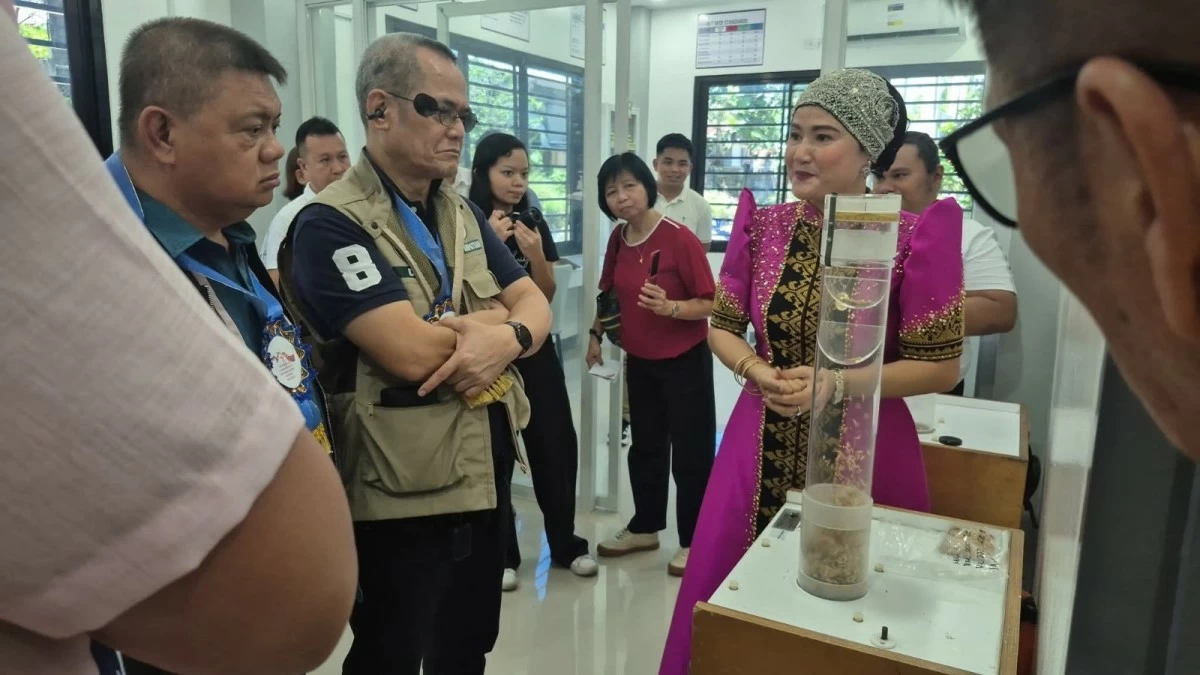
Last October 15, 2025 in Sultan Kudarat, the Bureau of Plant Industry (BPI) inaugurated the first seed quality control facility in Bangsamoro Autonomous Region in Muslim Mindanao (BARMM). This new building, under the BPI’s National Seed Quality Control Services (NSQCS), is a huge win for the local farmers as it has laboratories and trained staff to test seed germination and purity – the basics for plant production. It also signals the way forward for developing the plant industry starting with seeds, as directed by Department of Agriculture (DA) Secretary Francisco Tiu Laurel Jr.
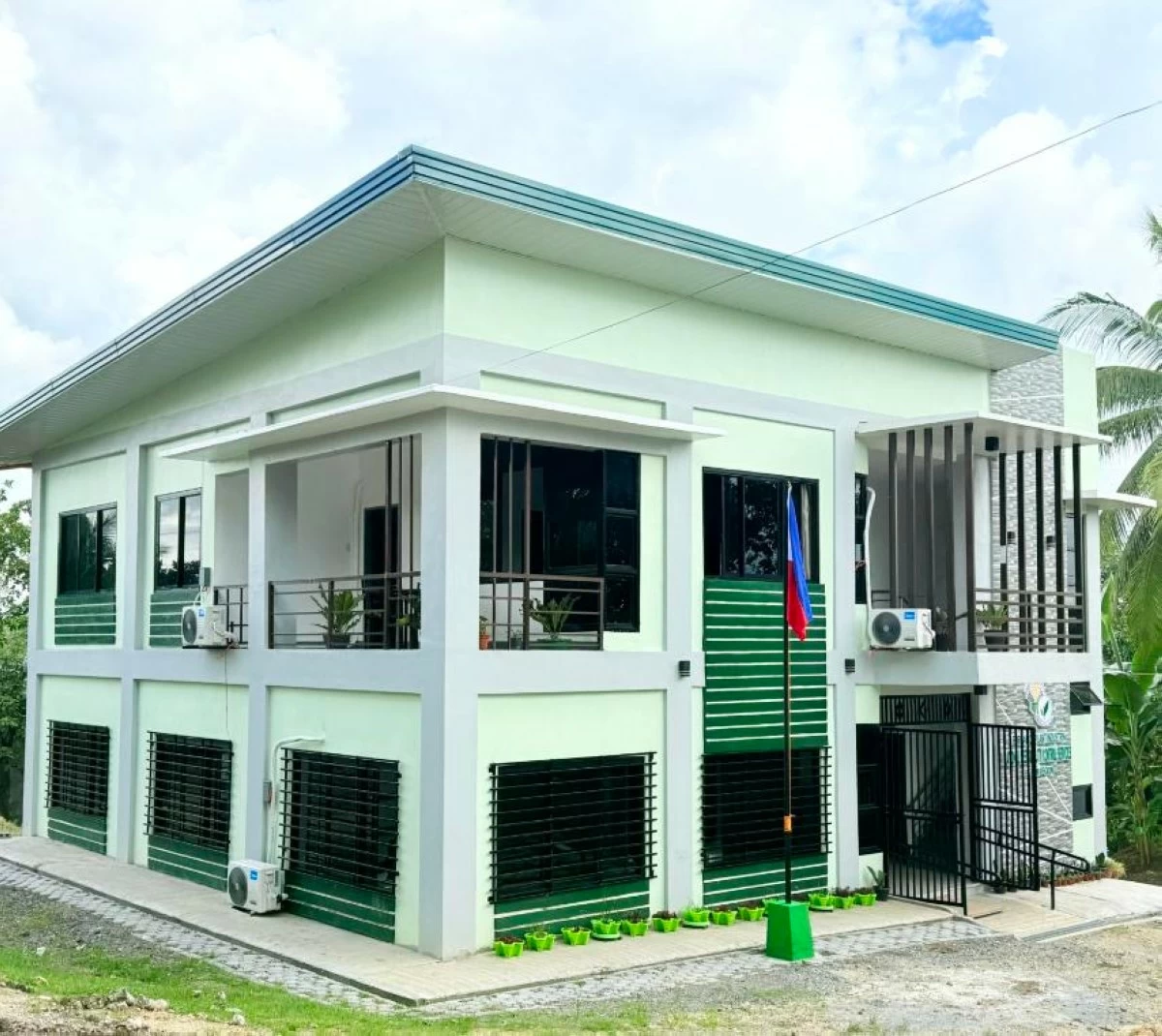
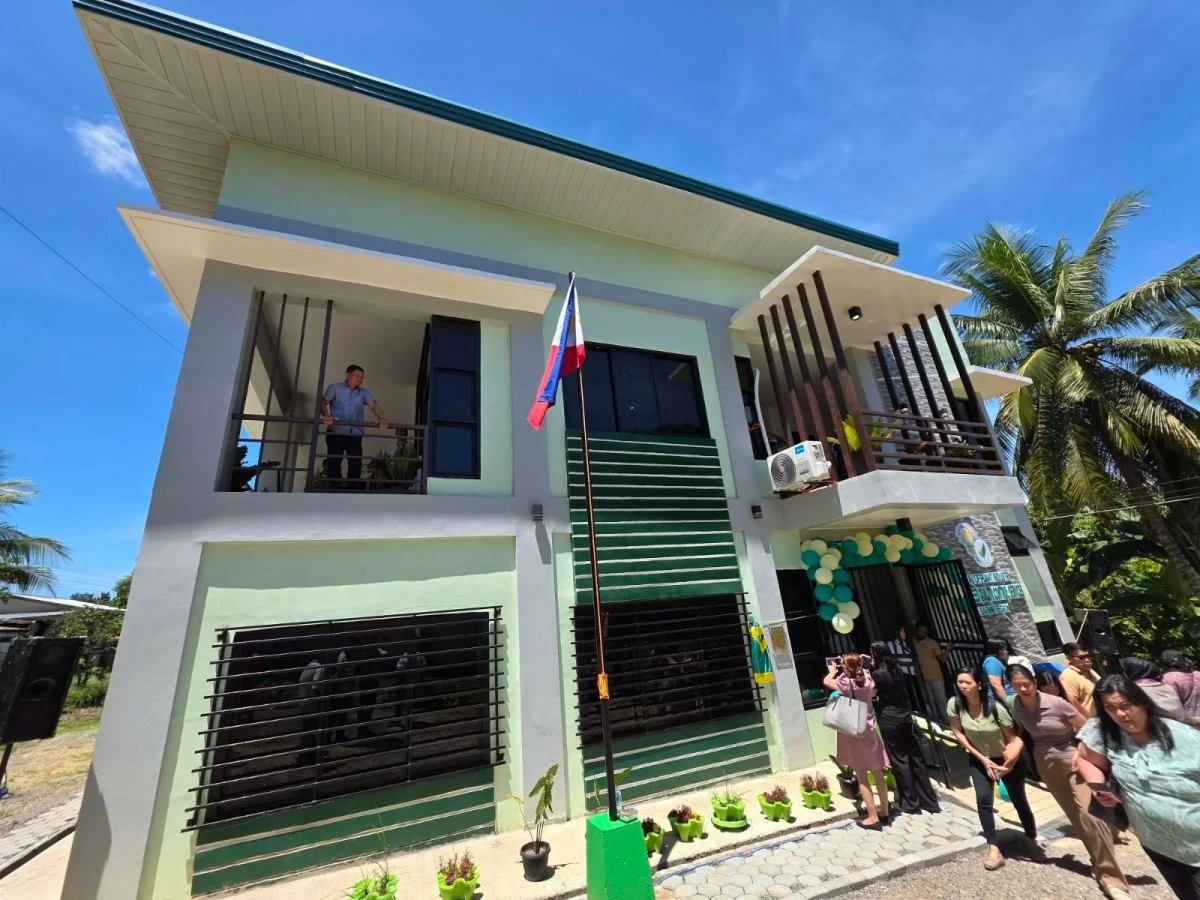
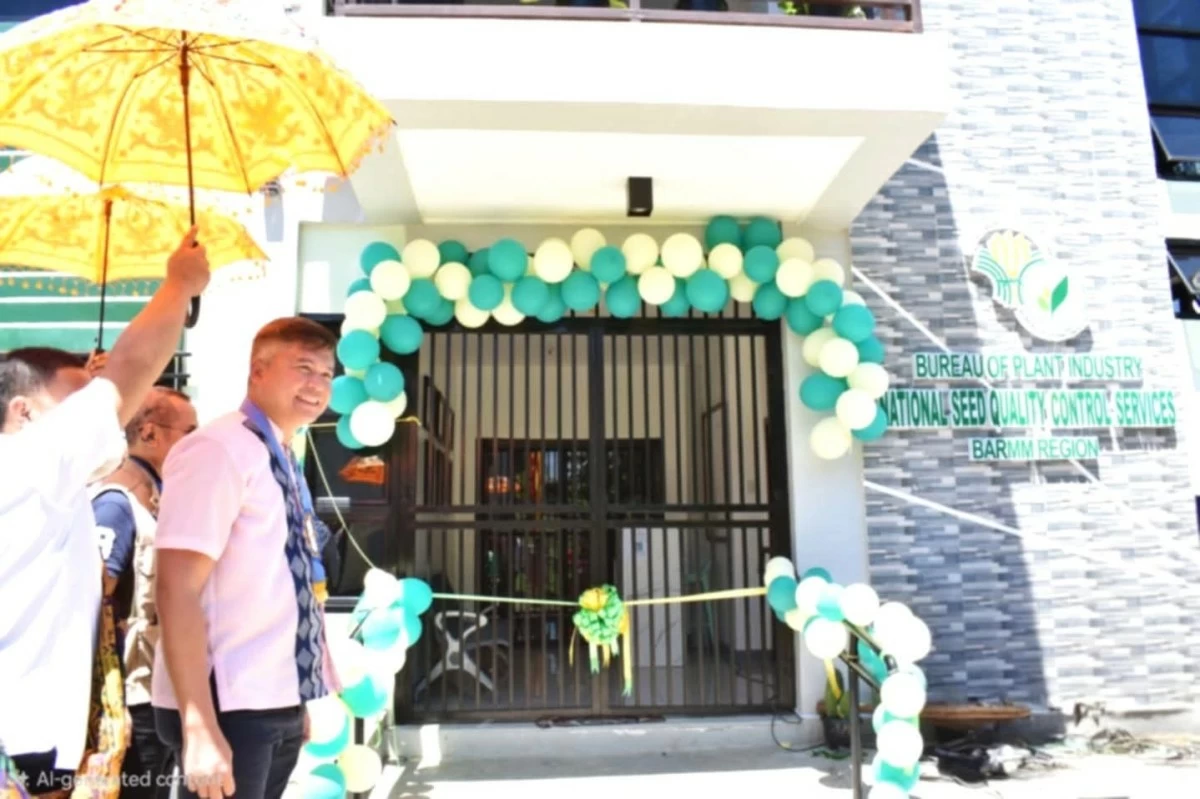

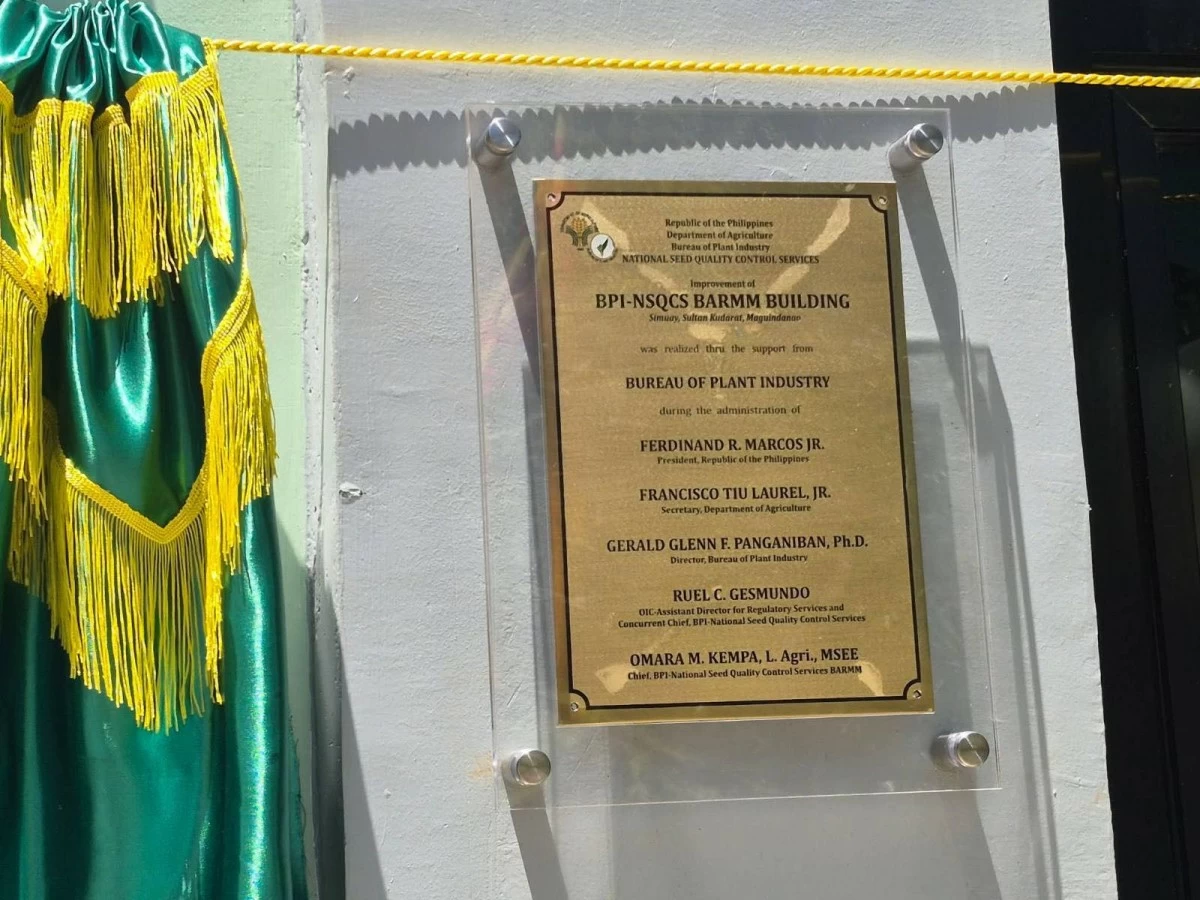
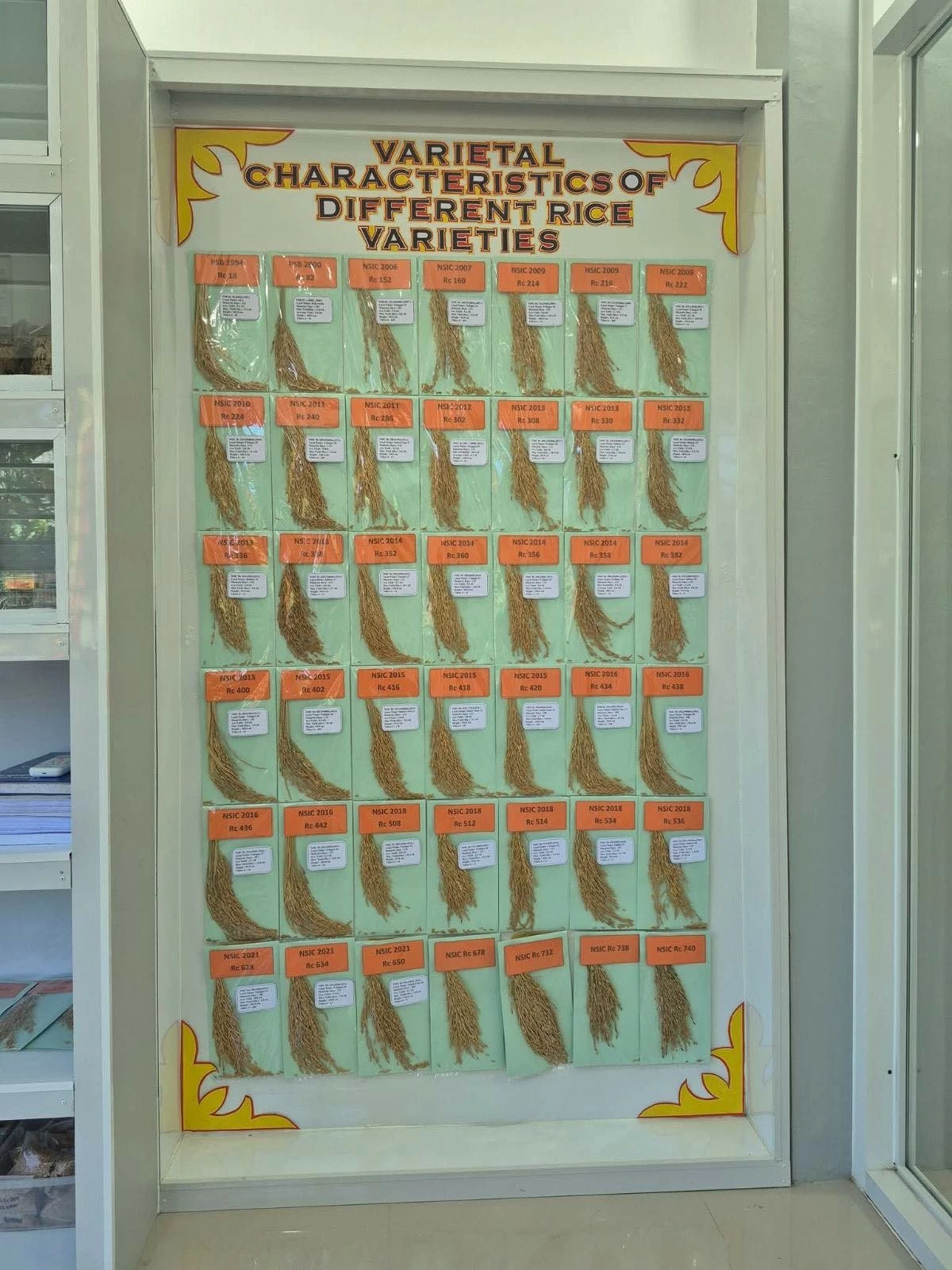
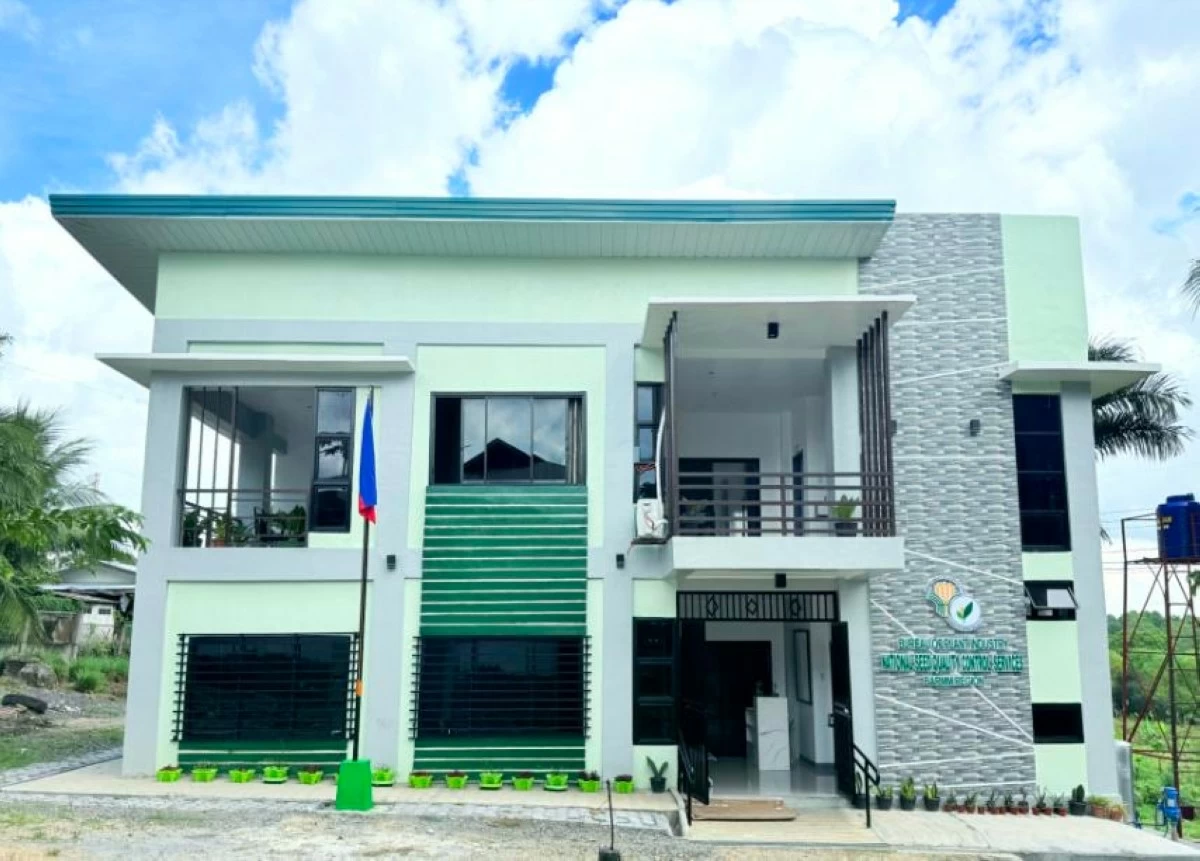
The DA’s investment in this facility situated at the Integrated Agricultural Research Center (BARMMIARC) Compound shows their strong commitment to help liberate the farmers from the cudgels of poverty specially in the BARMM region – known for its long history of conflict and strife. With the BPI initiative, farmers can now start with planting good seeds in order to realize a successful harvest. Indeed, the commencement of operations at the National Seed Quality Control Services (NSQCS) facility signifies a critical advancement in regional agricultural and infrastructure support particularly at a time when agricultural extension has become weak due to decades of devolution.
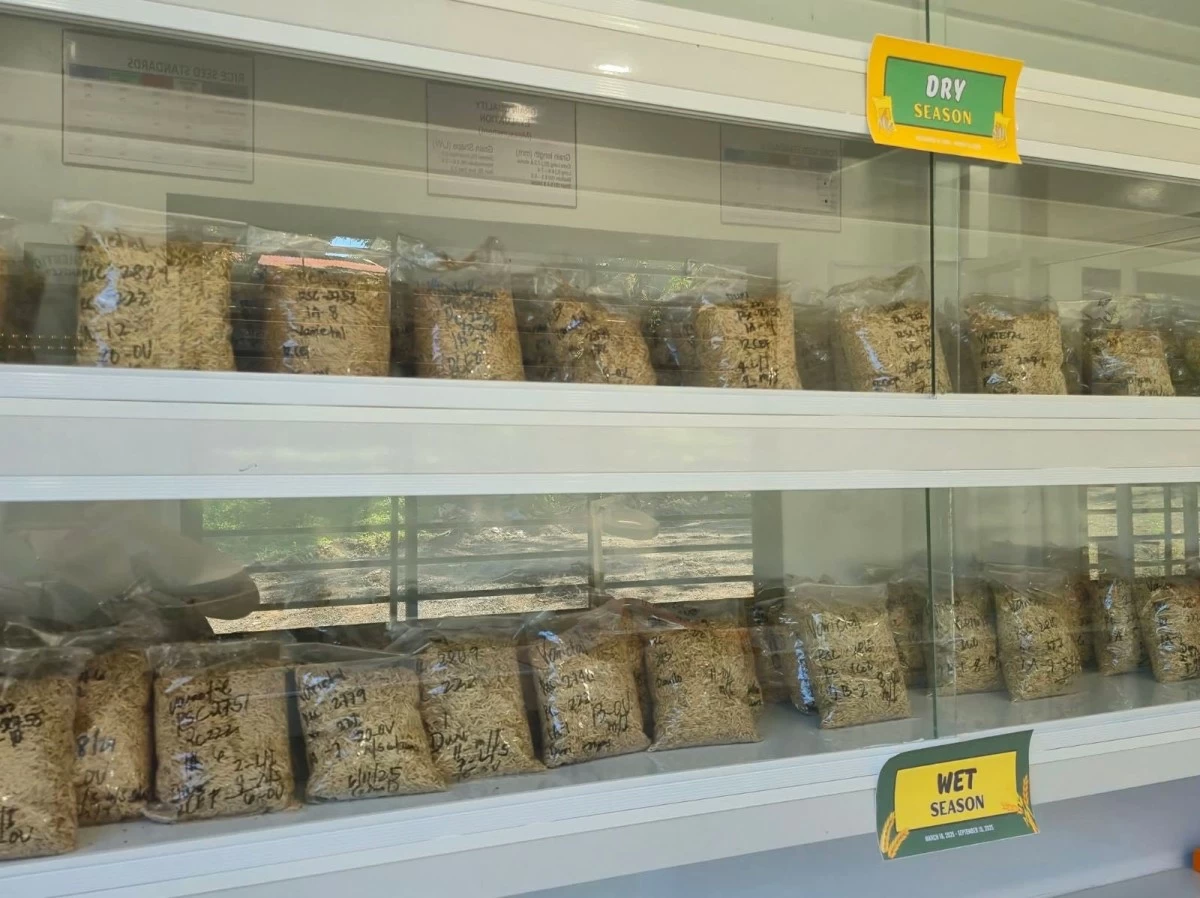
BPI emphasized that the facility's primary mandate is to guarantee the integrity of planting materials through comprehensive seed testing and certification. As the NSQCS is equipped to perform detailed analyses, including assessments of seed viability, germination rates, and varietal purity, stakeholders can now be secure that they can receive quality-assured seeds essential for maximizing crop yield and economic returns. However, this cannot be done without the support of the Local Government Units, research institutions such as the Philippine Rice Research Institute and the Provincial Government. Working hand-in-hand, the opportunities for production in resource-rich Mindanao abound.
Furthermore, the NSQCS center is envisioned to also serve as a seed conservation center, functioning as a crucial repository for indigenous and heirloom seed varieties. This role underlines a dual commitment: supporting modern high-yielding varieties while simultaneously preserving the region's agricultural biodiversity and cultural heritage. In so doing, it supports the long-term sustainability and self-sufficiency of the Bangsamoro farming community in the years to come.