






Manila Bulletin
 Philippines
National
The struggle for own identity: How Koreans resisted 'Japanization' of Korea
Philippines
National
The struggle for own identity: How Koreans resisted 'Japanization' of Korea
Philippines
National
The struggle for own identity: How Koreans resisted 'Japanization' of Korea
The struggle for own identity: How Koreans resisted 'Japanization' of Korea
Published Aug 20, 2025 02:05 am


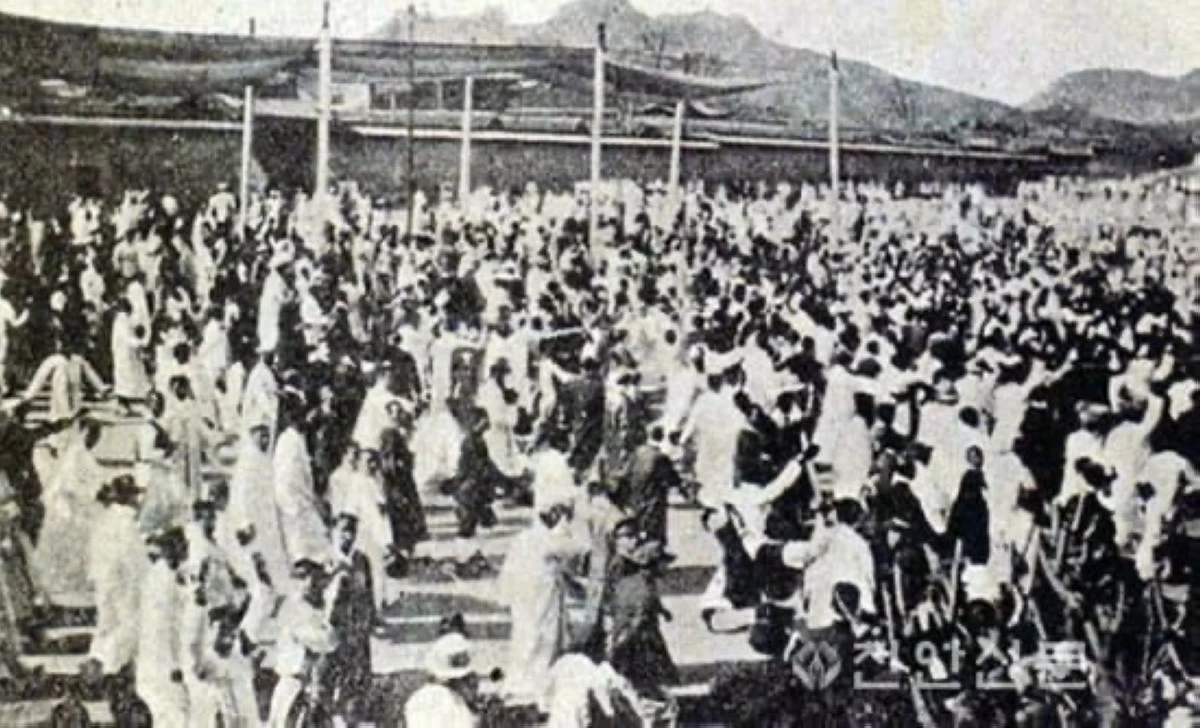
Behind Korea's vibrance is one dark past.
Its people had lived a grim life under Japanese imperialists from 1910 to 1945. They suffered oppression, torture, killing, sexual slavery, and other forms of abuse.
But they united and resisted. On Aug. 15, 1945, Japan surrendered its empire by the end of the World War 2, and Koreans were liberated.
Memories of annexation
In the heart of South Korea's lively capital, Seoul, lies one site that bore witness to the deaths of many Koreans.
The Seodaemun Prison served as a large torture and death chambers of independence activists that resisted imperial Japan’s 35-year annexation of Korea in 1910.
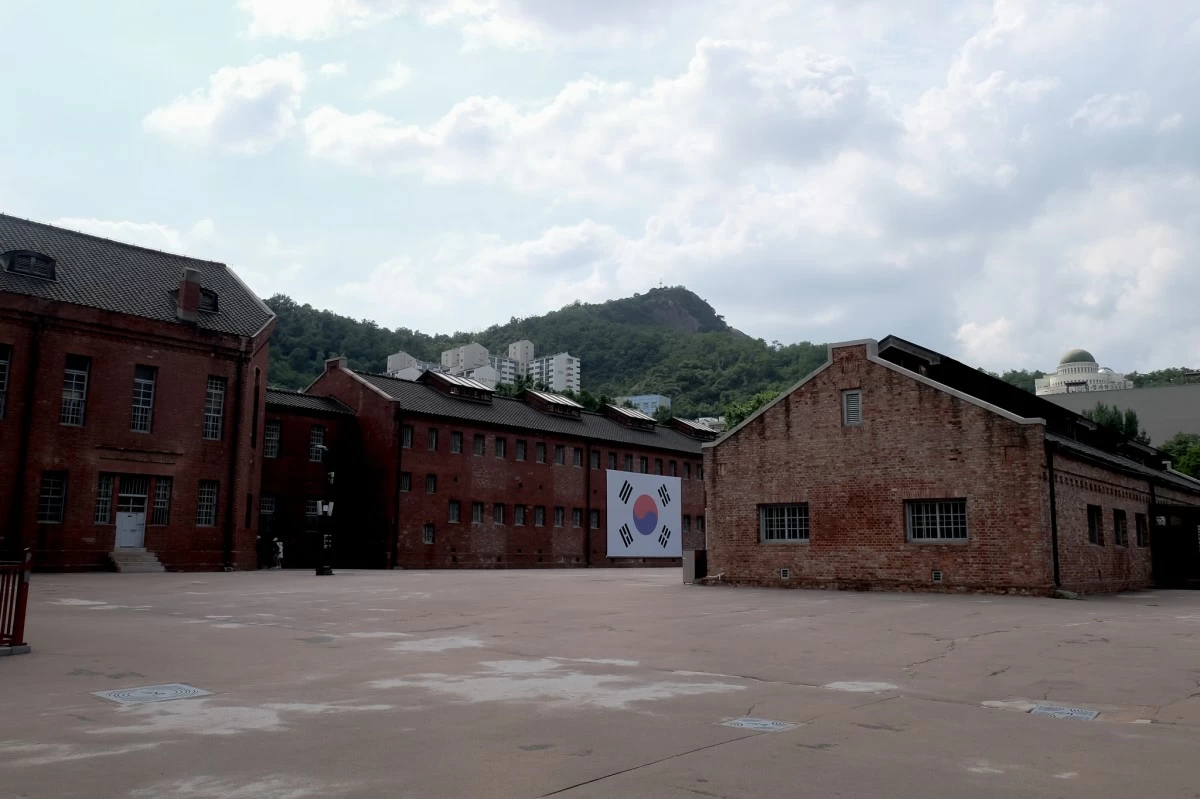
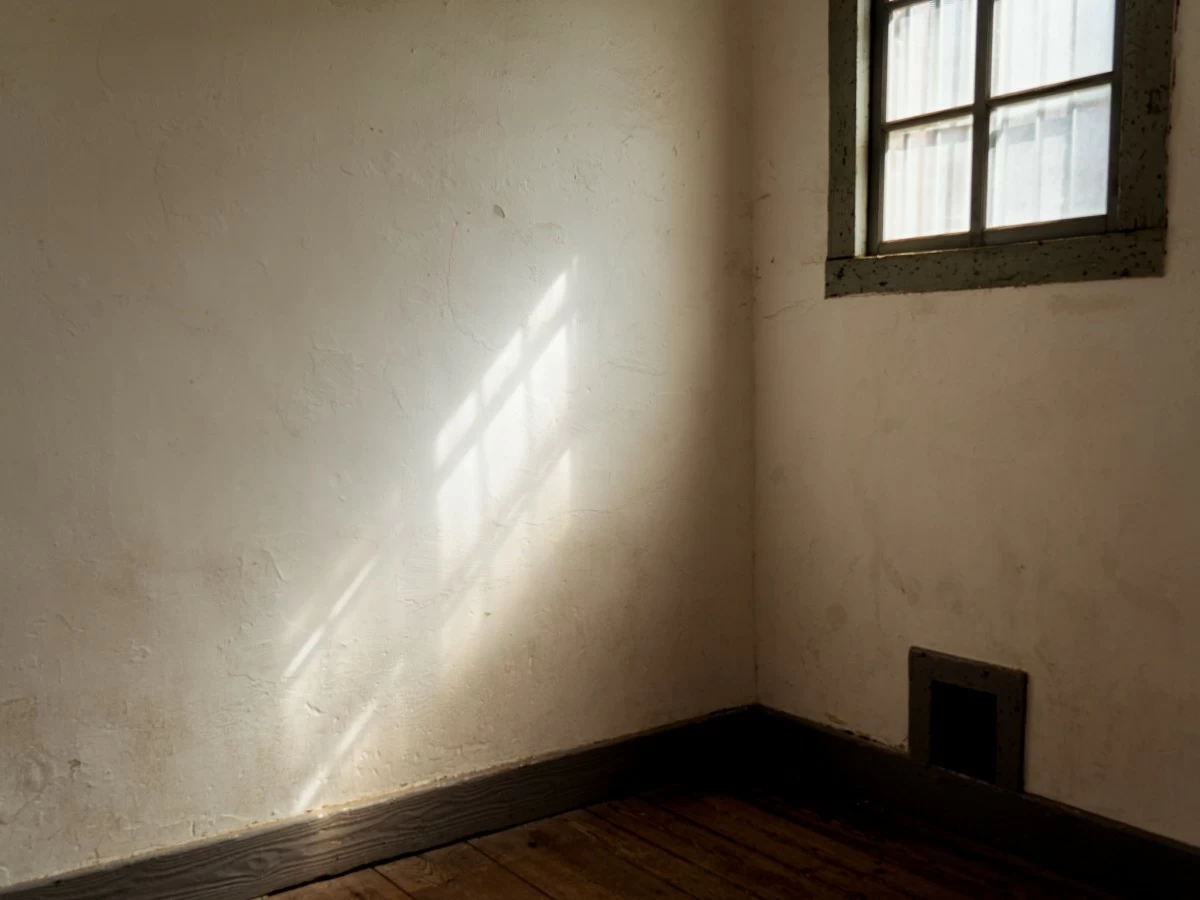
There, Koreans accused of participating in the movement experienced inhumane treatments. Prominent figures were isolated in enclosed, dark cells; while others, about 40 individuals, crammed into one space designed only for six people and without access to a bath and toilet.
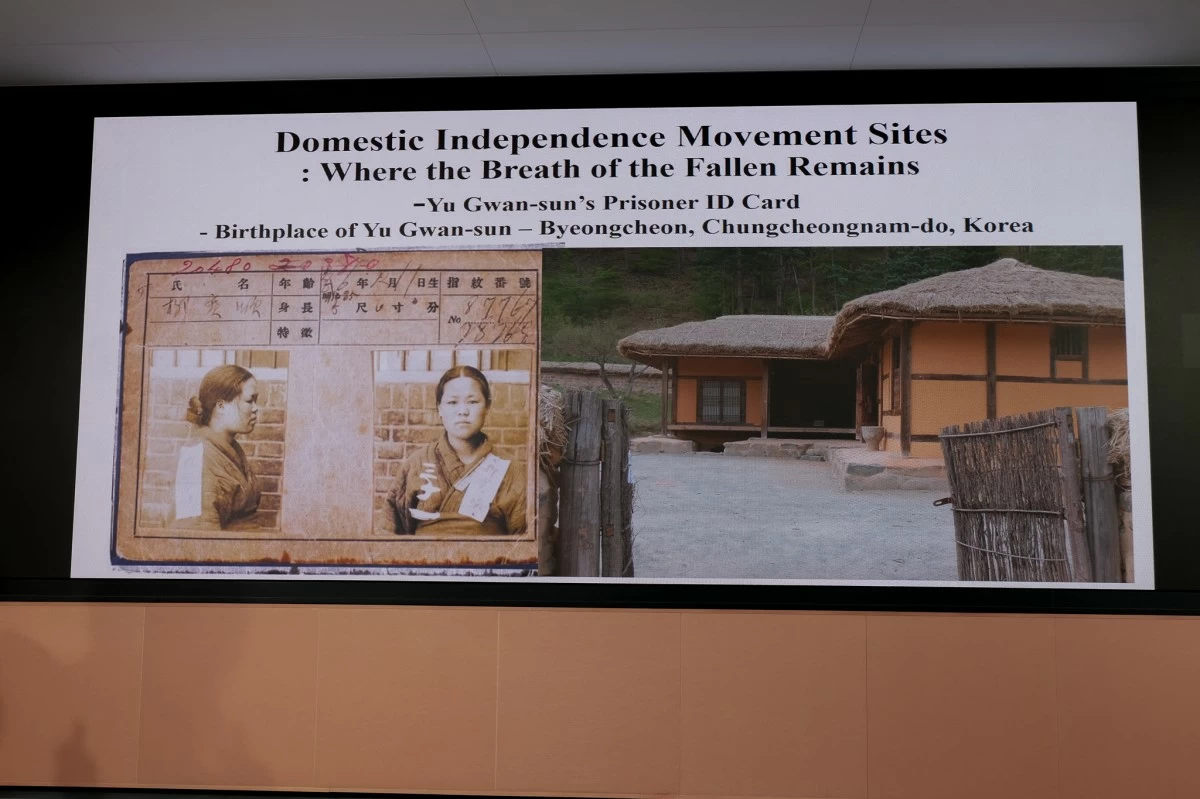
Kim Gu, premier of the Korean Provisional Government, and Yu Gwan-sun, leader of pro-independence rally in Aunae market in nearby province, were among prominent individuals who were incarcerated there.
Inside the compound, the execution building, where Koreans were hanged to death, still stands, telling horrors of the past.
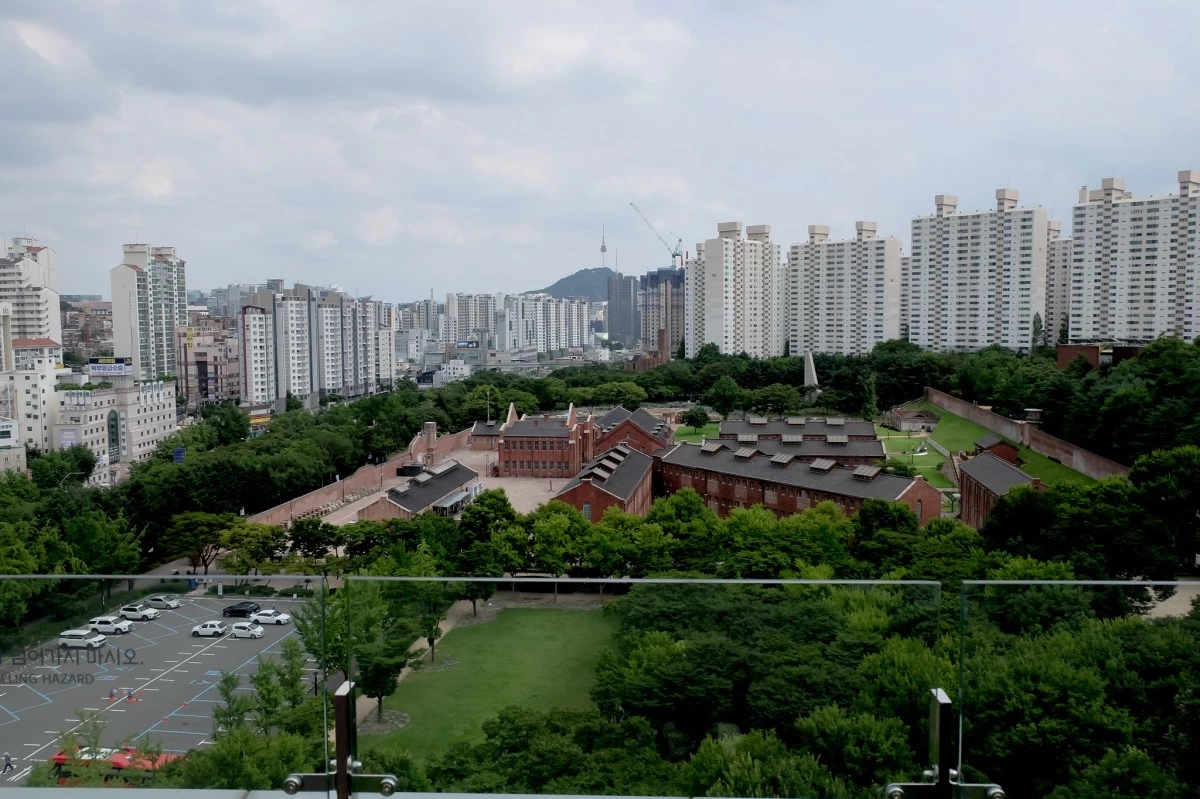
According to the official records of the “Statistical Yearbooks of the Governor-General of Korea” as well as of the government gazette, at least 493 executions were conducted at Seodaemun Prison from 1908 to 1945 during the Japanese colonial period.
The total number may even be higher, as execution locations were not clearly specified in records prior to February 1909.
In 1910, Japan completely colonized Korea after it forced its penultimate monarch, Gojong, to abdicate. Japan made sweeping changes. It started what it called the "Japanization" of Korea by changing their names and banning the Korean language.
But enough was enough for the Koreans. In 1919, Koreans, in and out of the peninsula, started the "March First Movement," a series of protests against Japanese colonial rulers.
The movement was sparked by the news that the principle of national self-determination must be upheld at the Paris Peace Conference following the end of World War I, said Lee Myung Hwa, director of Korean Independence Movement Studies.
"Throughout the 1910s, under strict rule of the Japanese military police, Koreans had been deprived of their basic rights. Upon hearing this news, they sought to realize the vision of a democratic nation founded on their own sovereignty, rejecting Japan’s restrictions on Korean culture and its militaristic rule," she said.
Lee told Manila Bulletin that the movement is characterized by three core principles of unity, mass participation, and non-violence.
"It achieved unity and mass participation because it was joined by people from all sectors of society, including students, intellectuals, factory workers, and farmers," she said.
Religious communities also came together to lead and participate in the protests, she added.
That includes the Jeam Church, located south of Seoul, which holds historical significance. It served as one of the sites of the March First Movements.
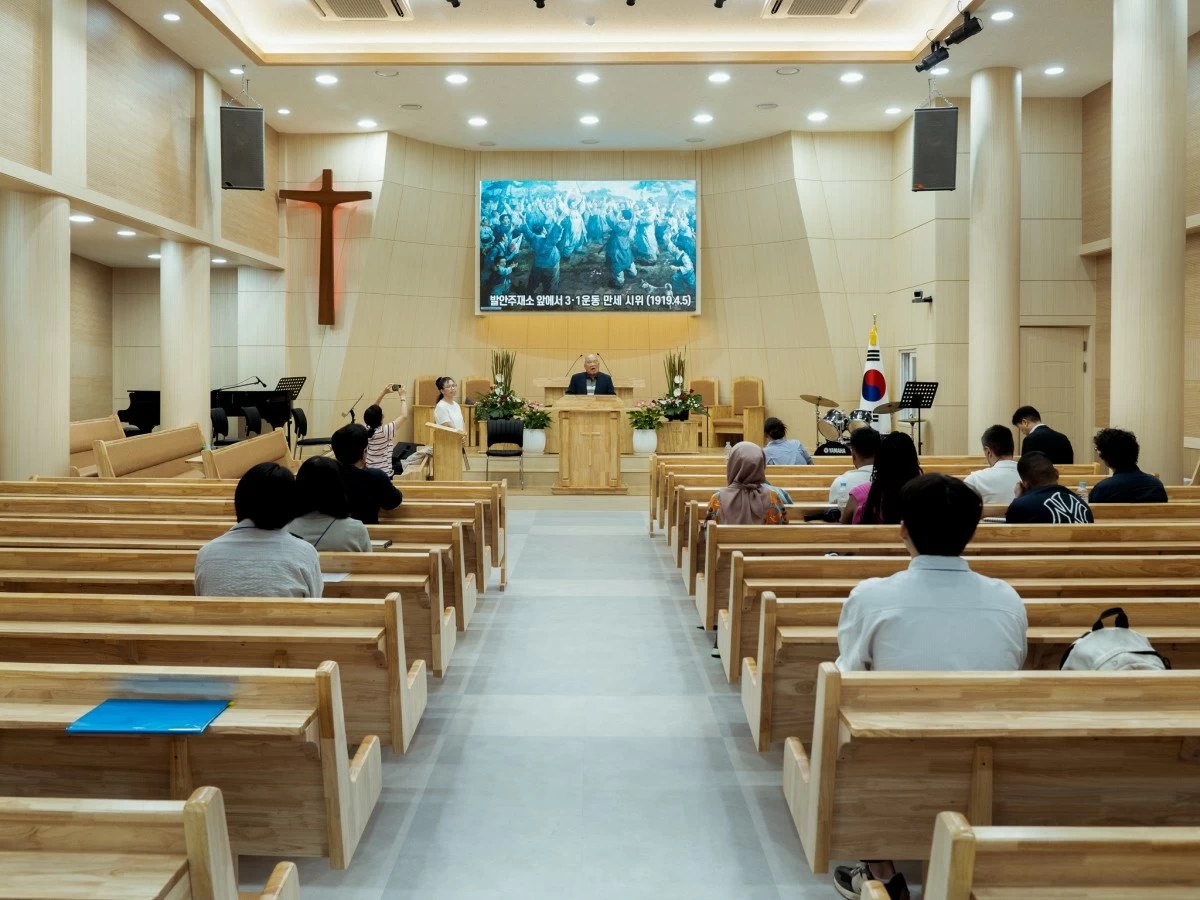
The church provided education to those deprived of it by the Japanese. It continued teaching the Korean language although it was already being quashed by the colonizers.
It also allowed farmers and those belonging to other classes to participate in the movement.
That triggered yet another Japanese oppression. In 1919, Japanese troops massacred a total of 23 residents and destroyed over 30 nearby houses there.
Meanwhile, the Aunae Market near Seoul also carries significance for Koreans. Markets did not open every day in Korea back then, so when they did, they attracted a large swath of people.
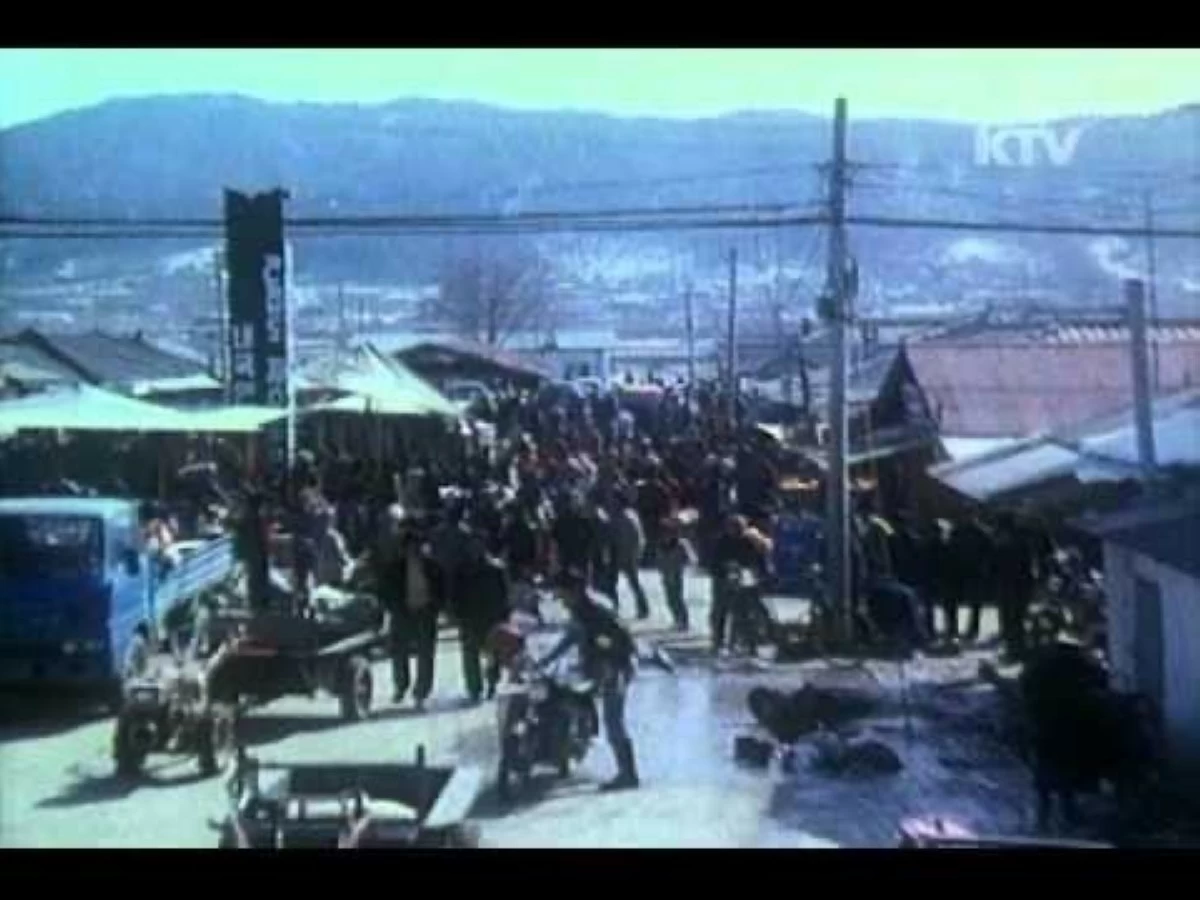
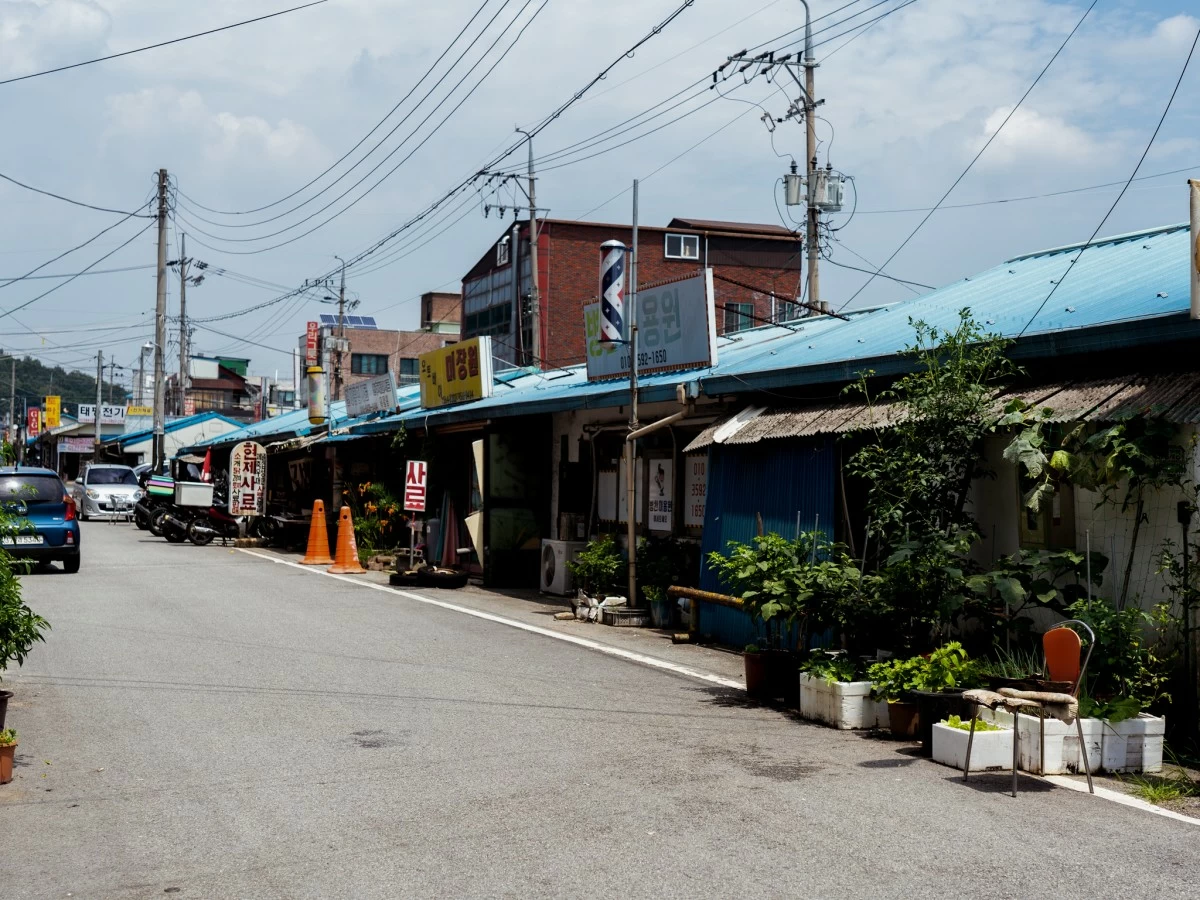
Aunae Market became one of the central sites of the movement. It was where Yu Gwan-sun and over 3,000 residents gathered to protest Japan’s colonial rule.
Since there were no mobile phones that time, protest leaders signaled the upcoming demonstrations by raising torches in strategic locations.
Five military officers were deployed as words about the protest spread. They opened fire that killed people, including Yu Gwan-sun’s father.
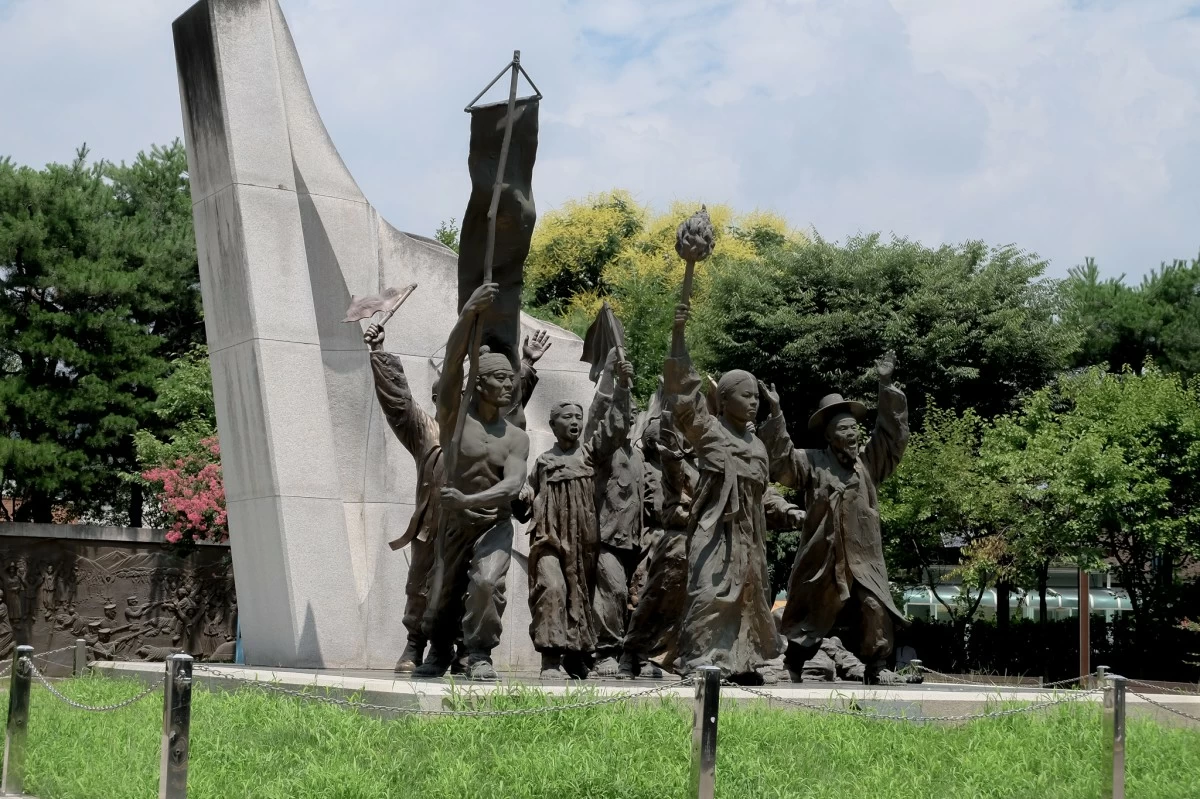
The National Memorial of the Korean Provisional Government and the Independence Hall of Korea commemorate Korea's struggle for independence and its consequent achievements.
The national memorial features stories of the Korean Provisional Government, a body established in China following the March First Movement to facilitate the establishment of the government of an independent Korea.
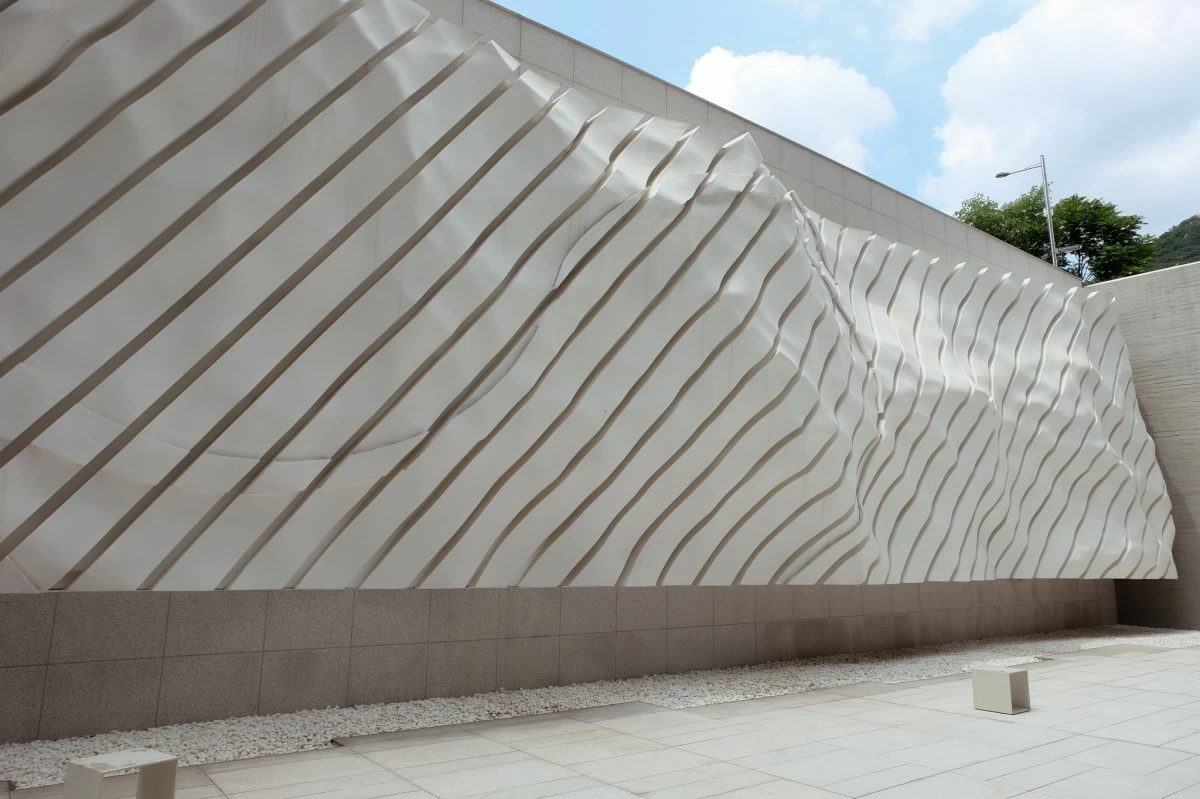
Each of its four floors tells the timeline of Korea under colonial rule until its independence. It tells about the Korean monarchy, the Korean people, the Korean Provisional Government and the eventual Republic of Korea—which is what we now know as South Korea.
The Independence Hall is one of the leading educational facilities and the largest exhibition facility in Korea. It primarily focuses on how Korean figures paved their way to national independence and developed into a nation of people.
It features exhibits of the origins of the Korean people, their ordeal, the March First Independence Movement, their patriotic struggle for national independence and the establishment of a New Korea.
But the infamous Demilitarized Zone (DMZ) between North and South Koreas serves as a reminder that the March First Movement—albeit it led to its independence from the colonial power—is not yet done.
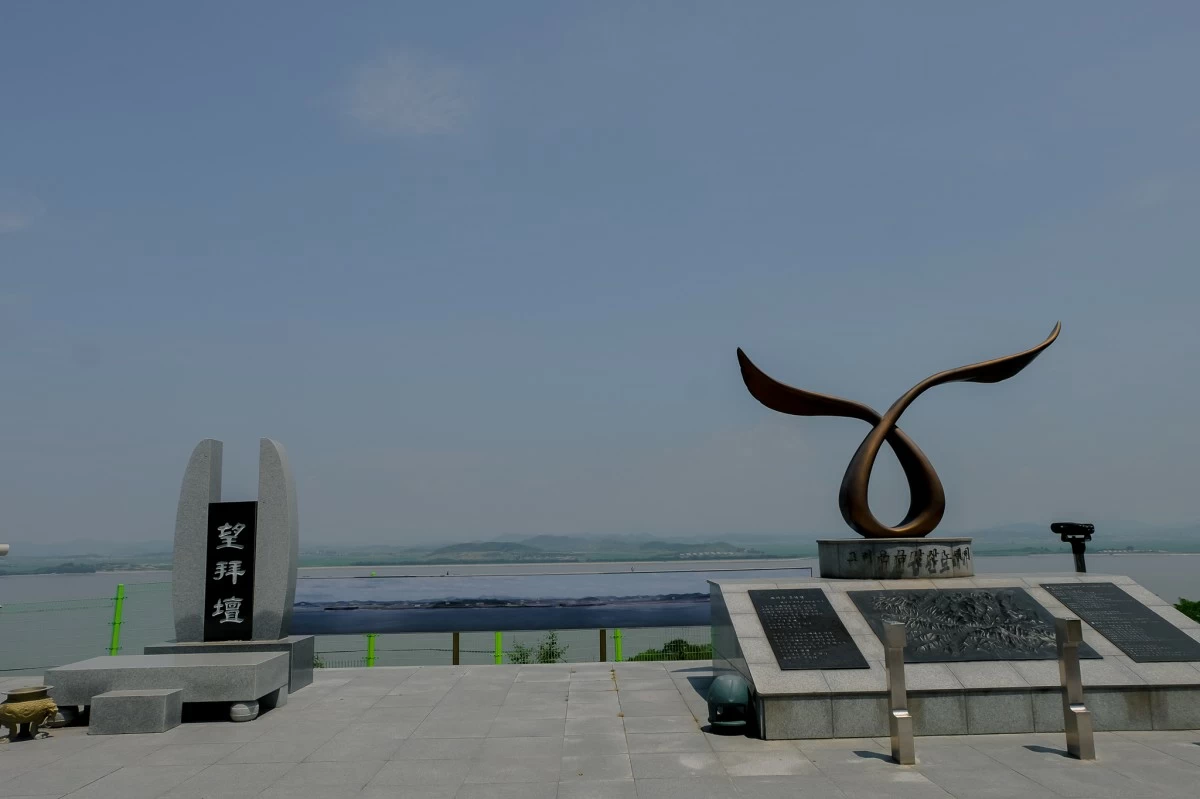
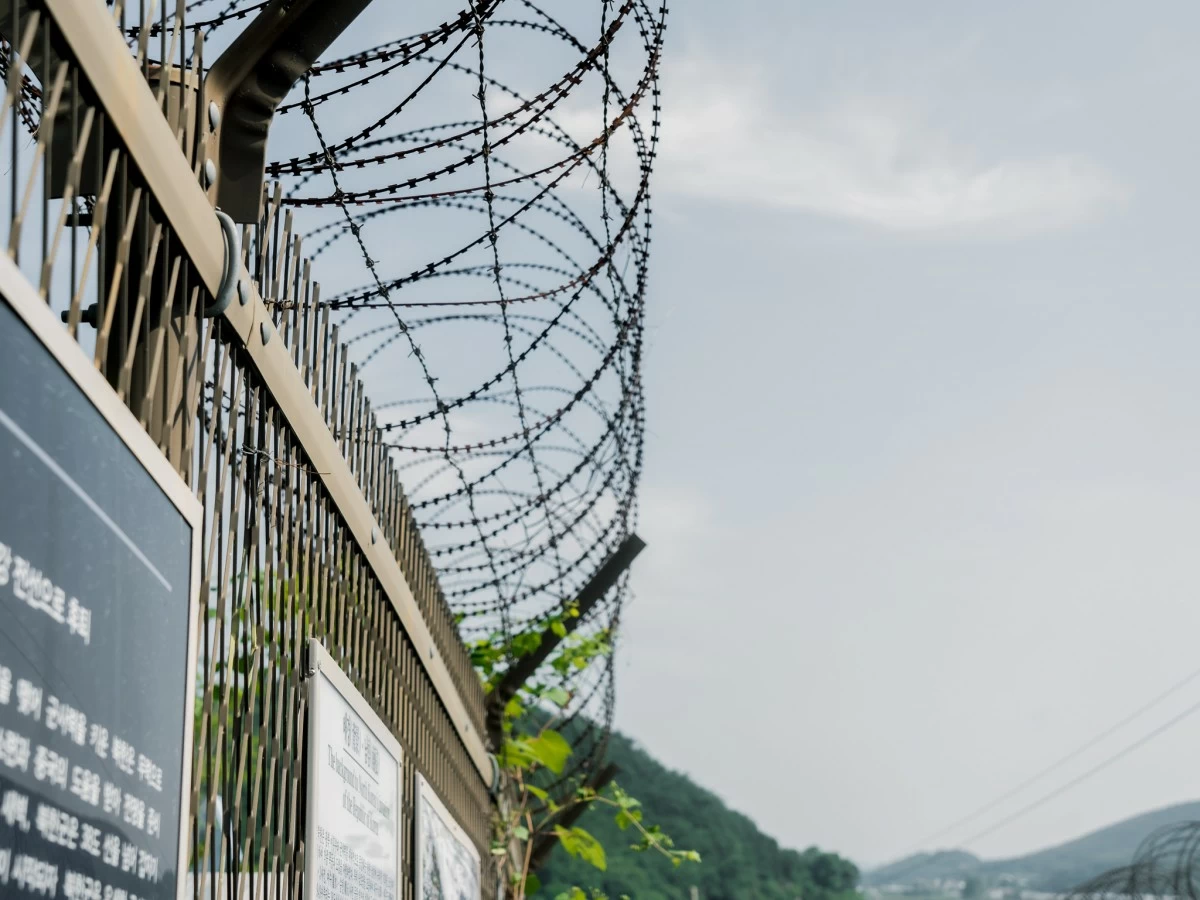
The Korean DMZ is a 250-kilometer long, four-kilometer wide strip of land that serves as a buffer zone for the two Koreas, which have been technically at war since then.
Right after the Korean Peninsula was liberated from imperial Japan, another foreign power held control: the Soviet Union, which backed the north in its fight against the Japanese, and the US, which backed the south.
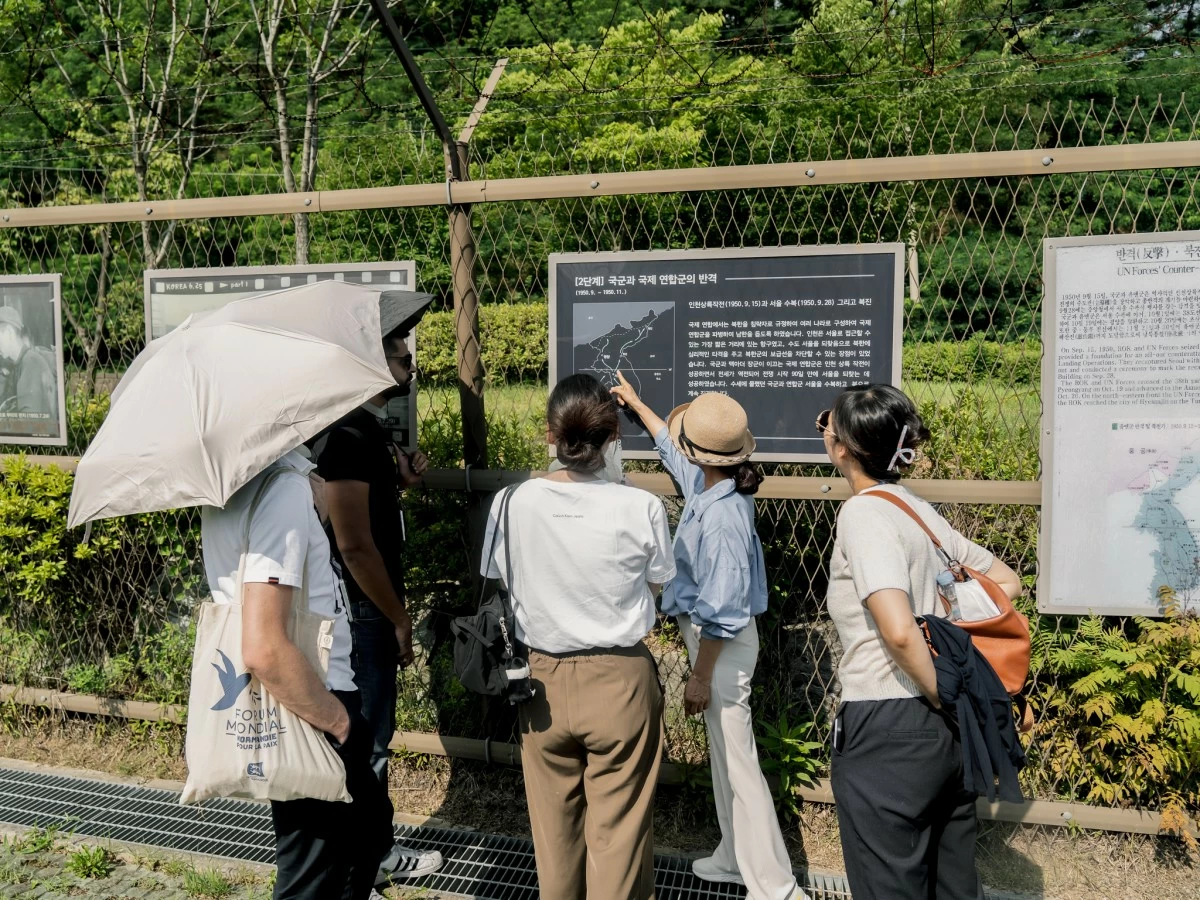
In 1950, the Korean war broke out after Soviet leader Joseph Stalin in 1950 allowed Kim Il-Sung, who he introduced to become the leader of the Provisional People's Committee for North Korea, to attack the South upon the backing of Mao Zedong, former chairman of the Communist Party of China (CCP).
For Kim Jin, vice president of Heritage of Korean Independence, there's still a need for Koreans to achieve unification.
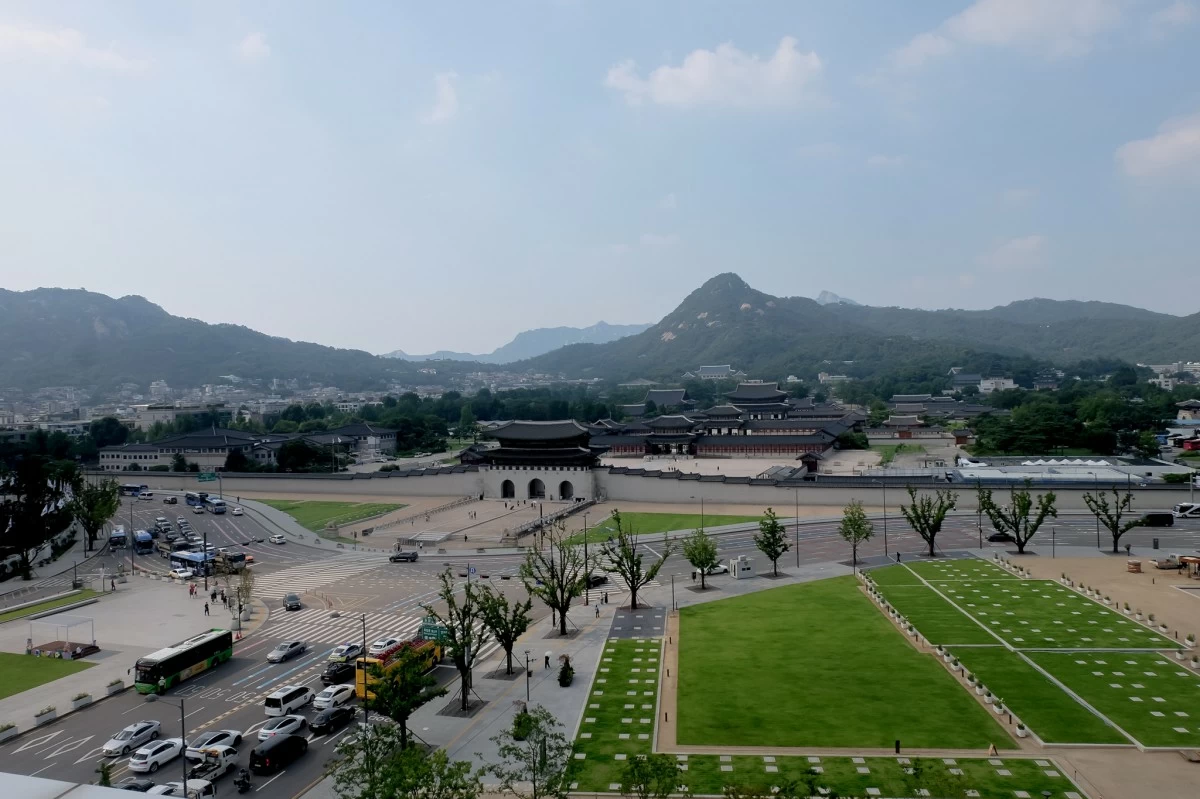
That will signal the conclusion of the long-standing independence movement, he said.
"Koreans still need to found a unifying government, and I believe this is the ultimate end of independence movement," he said.