







Mexico: An old Friend across the Pacific (Part Two)
How our cultures are not so different from one another
Published Aug 8, 2025 10:16 pm


At A Glance
- Some Filipino practices may have originated from Mexico, or some Mexican customs may have been originally Filipino, or Spain may have been the common origin of both peoples' customs.
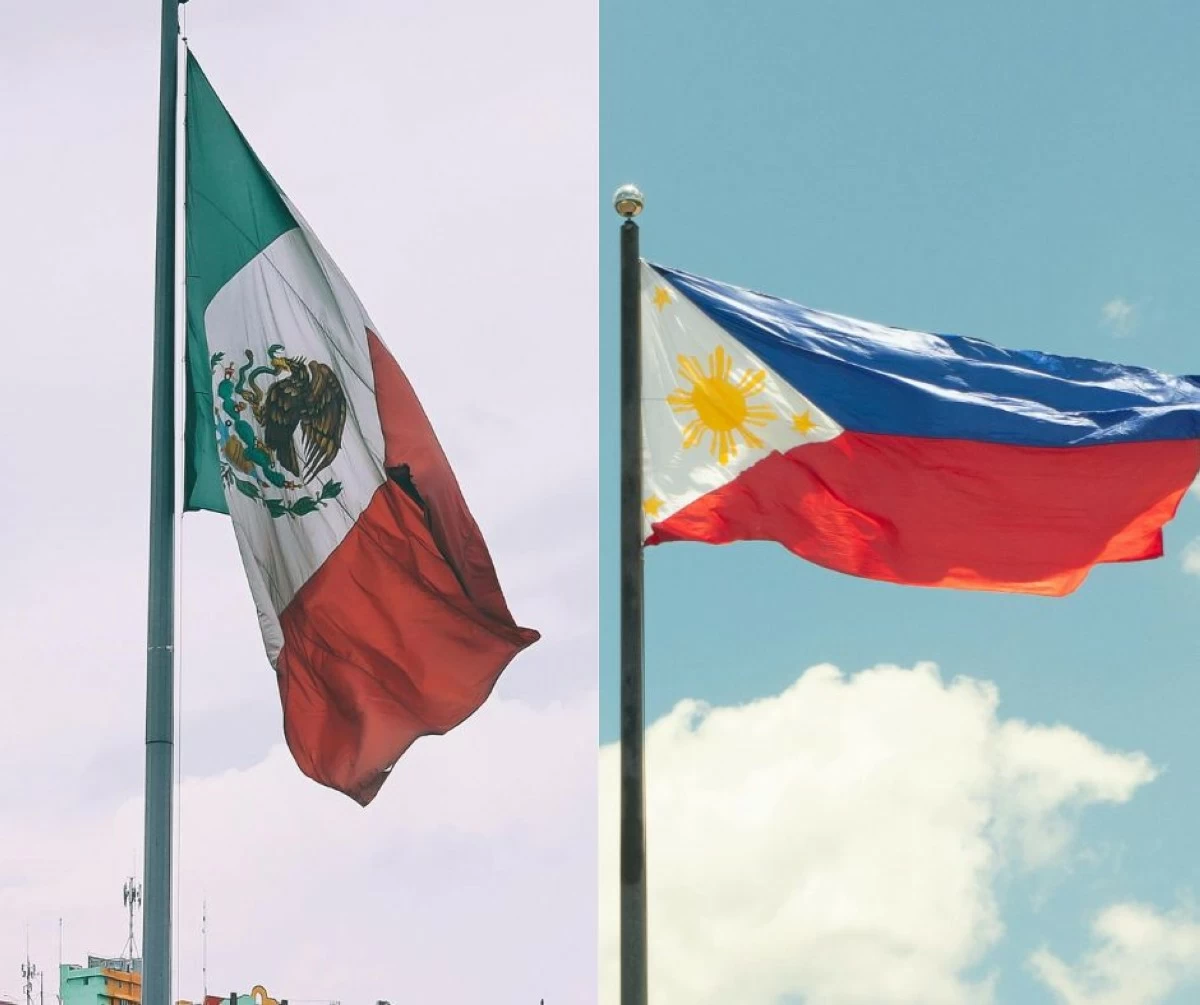
TWO NATIONS STRONG Our similarities with Mexico likely stems from having the same colonizer
Filipino and Mexican religious practices and celebrations have many similarities and variations, clearly due to their common Iberian origin or to practices in the other country, modified by differences in culture and pre-Hispanic beliefs and practices.
Holy Week
Holy Week celebrations in Spain are spectacular. Of course, nothing comes close to Seville with its 24/7 processions, but Mexicans and Christian Filipino Holy Week rituals are similar, with processions, dramatizations, temporary chapels, and even flagellants.
Traditionally, Philippine towns hold a Holy Wednesday procession where images recount the public life of Christ and a Good Friday Procession with images depicting the agony and death of the Lord. Nowadays, however, the two processions tend to be combined into a grand Good Friday procession. The most elaborate ones I’ve seen are in Baliwag, Bulacan, San Pablo, Laguna, and Makati Población, unnoticed by the residents of Forbes, Dasma, and even the adjoining Bel Air enclaves. Old Makati’s Holy Week is traditional, with highlights including temporary neighborhood chapels, a procession of crucifixes, and a super long procession on Good Friday with survivals from olden times. Images on andas are borne on devotees’ shoulders rather than on wheeled carrozas; there are long lines of barefoot women in long black robes with leafy crowns; mourners following the funeral carriage of the dead Christ consist of town officials and prominent citizens.
Communities also hold readings of the Pasyon, a traditional account that combines the Old and New Testaments. A truly elaborate event is held in a decorated hall with a band accompaniment and before an image of Santo Entierro (the dead Christ). Readings continue day and night until completion.
The month of May
Spain had long celebrated Roman Empress Helena’s Finding of the True Cross. Spanish missionaries brought the tradition to Mexico, where builders and construction workers take the lead in celebrating the Fiesta de las Cruces or Día de la Santa Cruz. Workers organize processions, floral offerings, and prayers to honor the True Cross that they consider patron and symbol.
Possibly because Filipinos build not in masonry but in bamboo and dried nipa or cogon leaves, we celebrate the finding of the True Cross differently.
Friars may have noted Filipino love for children, recalling that the Santo Niño was instrumental in our conversion. This may explain the neighborhood Santa Cruz de Mayo processions with small boys and girls participating as characters of the Old Testament and representations of desired virtues and good character. Processions start with a little boy costumed as Methuselah, continue with little girls representing the virtues of faith, hope, and charity, followed by Biblical characters like Reina Saba and Reina Ester, and end with Reina Elena escorted by a small boy, Principe Constantino. Neighbors take turns hosting the nine-day series of processions. The final evening is highlighted by the pabitin, a gift-hung trellis hoisted up and down to screaming kids and young adults.
We have a second celebration that is town-wide and church-based, the month-long Flores de Mayo that consists of children’s daily floral offerings to Mary and a month-end procession with little boys representing rosary beads and young ladies representing the Litany of the Virgin Mary. It ends at the town plaza in what one might call a debutants’ ball presided over by Rosa Mistica, the maiden considered ideal.
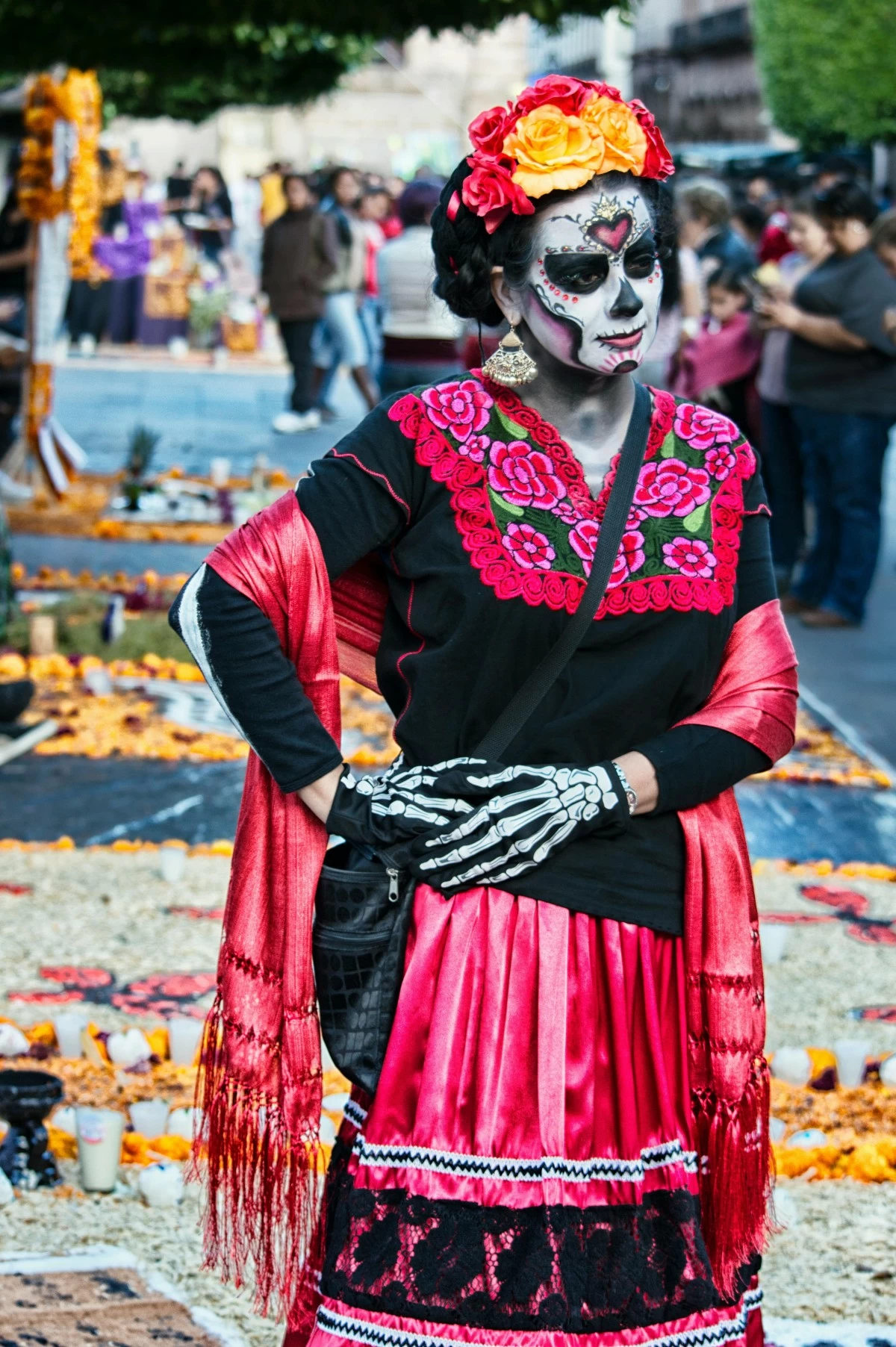
HONORING THE DEAD Dio de los Muertos is similar to our All Souls Day when families gather at cemeteries to pay respect to loved ones who have passed on
All Saints’ Day
The Día de los Muertos (Day of the Dead) is important to Mexicans as the day when they remember and honor their beloved dead. Celebrations are big productions, with invited relatives and friends, elaborate decorations, and home altars (ofrendas), special dishes for both real and spiritual visitors. Paths to homes are lighted with faroles (lighted candles in brown paper bags weighted down with sand) to invite and guide visiting souls of their beloved dead.
Our counterpart celebration is muted, with Nov. 1 (Todos los Santos) activities ordinarily limited to tidying up and visiting graves. Our young people, however, used to roam neighborhoods as souls from purgatory (nangangaluluwa), singing from house to house (Kaluluwa kaming tambing, sa purgatorio nang-galing) for treats without which some mischief happens like upended water barrels or purloined chickens. Furthermore, Filipinos don’t invite souls of the dead to visit. Quite the contrary, we mislead spirits, stopping somewhere before proceeding home after attending a funeral or wake.
Mexican homes have a ceramic Árbol de la Vida representing the connection of all forms of life, the life cycle, and the link between the spiritual and terrestrial life. It shows Adam and Eve in the Garden of Eden, the pair amid colorful plants and flowers. The family brings the Árbol to decorate their loved ones’ graves on Día de los Muertos. Our Mindanao Muslim brethren also have a Tree of Life or Tree of Immortality. I’ve seen hangings embroidered with an elaborate tree with symmetrical branches and leaves.
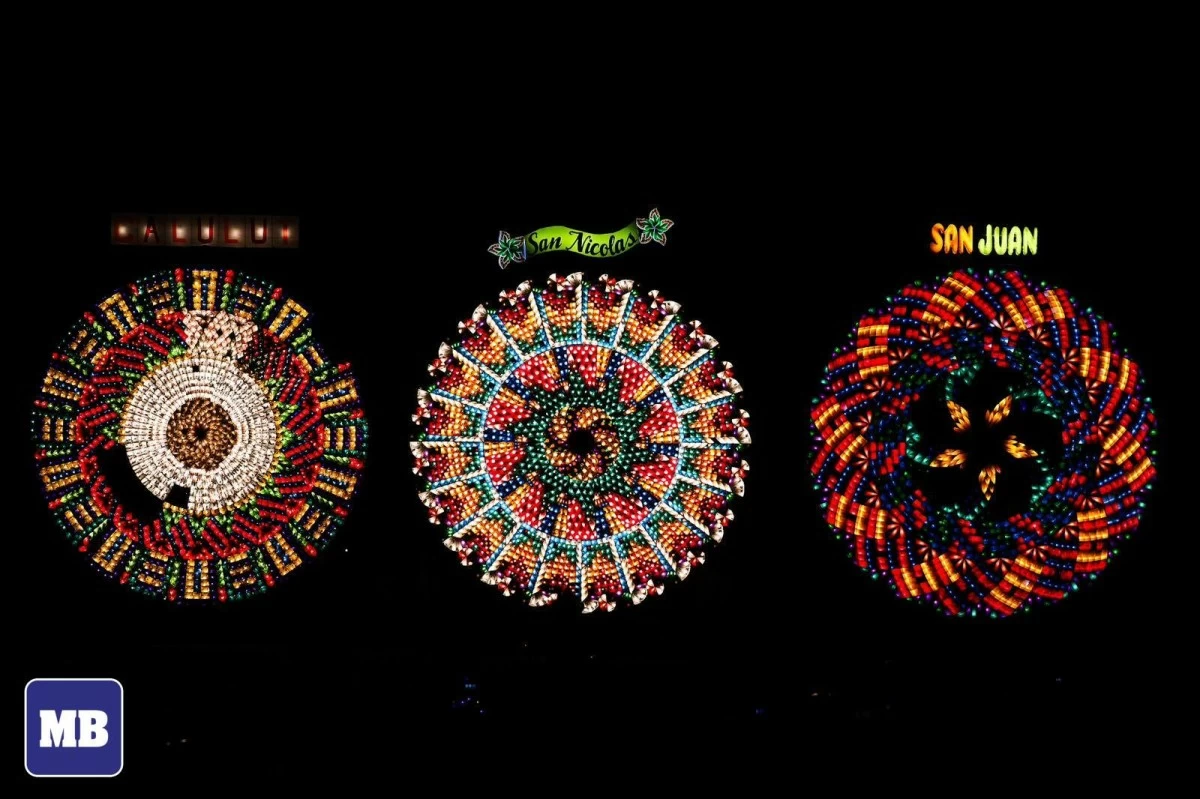
FESTIVE TIES Parols in the Philippines light up streets and houses whereas faroles in Mexico are believed to guide Mary and Joseph to homes and churches (Photo John Louie Abrina)
Christmas
Filipino bamboo and Japanese paper star-shaped parols have metamorphosed into the giant multi-colored and synchronized lighting-powered Pampanga spectaculars. In contrast, Mexicans use the simple faroles of Dia de los Muertos. On Christmas Eve, the faroles guide Mary and Joseph to homes and churches. Both Mexican and Filipino homes arrange nativity scenes (belén). Christmas trees came to the Philippines with the Americans.
Starting on Dec. 16, we have pre-dawn Misas de Aguinaldo timed to allow attending farmers to reach their fields by daybreak. Anticipated pre-dawn Misas held the evening before is obviously in response to changing times. Anyway, these end in the midnight Misa de Gallo on Dec. 24 and Noche Buena, a big dinner at home after midnight Mass, anticipated or not.
Mexicans hold the nine-day las posadas (the inns) on the same days, from Dec. 16 to Christmas Eve, with nightly processions where Mary and Joseph (either images or people in costume), frequently accompanied by other characters and angels, townspeople, singers, and a band. A procession would arrive at a house (a pretend inn), and Mary and Joseph would be turned away. This would continue for nine nights, ending at the town church where they would be admitted on time for the Misa de Gallo.
Makati used to hold a panunuluyan on Christmas Eve, when a couple dressed as Mary and Joseph (lalaking maruñgis at babaeng buntís) proceed from house to house, begging in song for shelter only to be turned down, culminating in their entry to the town church for the Christmas Eve midnight Mass.
Some Filipino practices may have originated from Mexico, or some Mexican customs may have been originally Filipino, or Spain may have been the common origin of both peoples’ customs. They are invisible links that link Filipinos and Mexicans across time and the ocean.
Note: The assistance of Messrs. Augusto P. Hidalgo, Jr., and Francisco Vecin is acknowledged and greatly appreciated.
Comments are cordially invited, addressed to [email protected]