








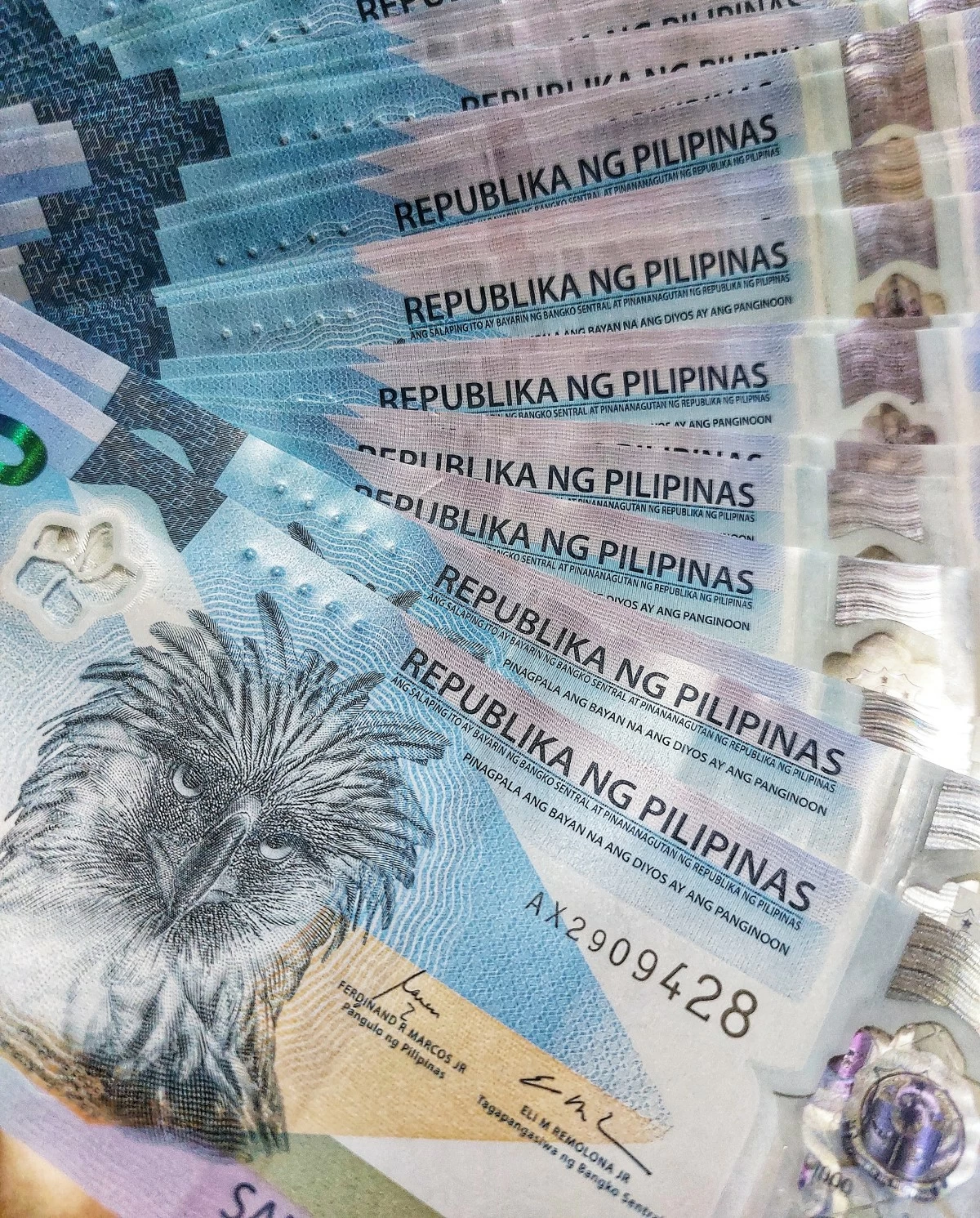
The House of Representatives must hold an inquiry in aid of legislation into the effect of the strong peso on millions of overseas Filipino workers (OFWs) and other affected sectors of the economy.
For this purpose, Cagayan de Oro City 2nd district Rep. Rufus Rodriguez filed House Resolution (HR) No. 2318, which would also assess on the part of the House the monetary and exchange rate policies of the Bangkok Sentral ng Pilipinas (BSP).
The latest exchange rate is P55.66 to one United States (US) dollar. Previously, it was P57 to the P58 to the dollar
In his resolution, Rodriguez cited analyses by economists who “argue that the strong Philippine peso adversely affects the country’s export competitiveness, the income of OFW families, the viability of local industries, particularly agriculture and manufacturing, by making exports more expensive and imports cheaper, leading to trade deficits and economic imbalances".
“The appreciation of the peso reduces the peso value of remittances sent by OFWs, thereby diminishing the purchasing power of their families and potentially affecting domestic consumption, which is a significant driver of the Philippine economy,” he said.
Rodriguez said the business process outsourcing (BPO) sector, which is a major contributor to employment and foreign exchange earnings, “faces challenges due to a strong peso, which increases operating costs and reduces competitiveness of Philippine-based services in the global market".
Local exporters and manufacturers are disadvantaged by a strong peso as it makes their products more expensive in the international market, leading to reduced demand and potential job losses, he said.
“There is a need to asses the current monetary policies of the BSP, particularly its exchange rate policy, and explore the feasibility of measures, including the strategic use of capital controls as provided for under Section 72 of Republic Act No. 7635 (New Central Bank Act) to mitigate the adverse effects of a strong peso and enhance the country’s economic resilience,” added the recently reelected solon.
He suggested that the inquiry be conducted by the Committee on Banks and Financial Intermediaries, Committee on Economic affairs, Committee on Overseas Workers Affairs, Committee on Trade and Industry, and Committee on Information and Communications Technology.
Rodriguez said the committees may come up with “informed policy recommendations that will promote economic stability, protect vulnerable sectors and ensure inclusive growth".