






Closed doors often lead to greater opportunities, and what we may perceive as rejection can happen repeatedly until the right time finally arrives.
Manila Bulletin
 Entertainment
Movies and TV
How director Dolly Dulu's once-rejected film script became a powerful digital series on Puregold Channel
Entertainment
Movies and TV
How director Dolly Dulu's once-rejected film script became a powerful digital series on Puregold Channel
Entertainment
Movies and TV
How director Dolly Dulu's once-rejected film script became a powerful digital series on Puregold Channel
How director Dolly Dulu's once-rejected film script became a powerful digital series on Puregold Channel
Published Jun 6, 2025 12:27 am


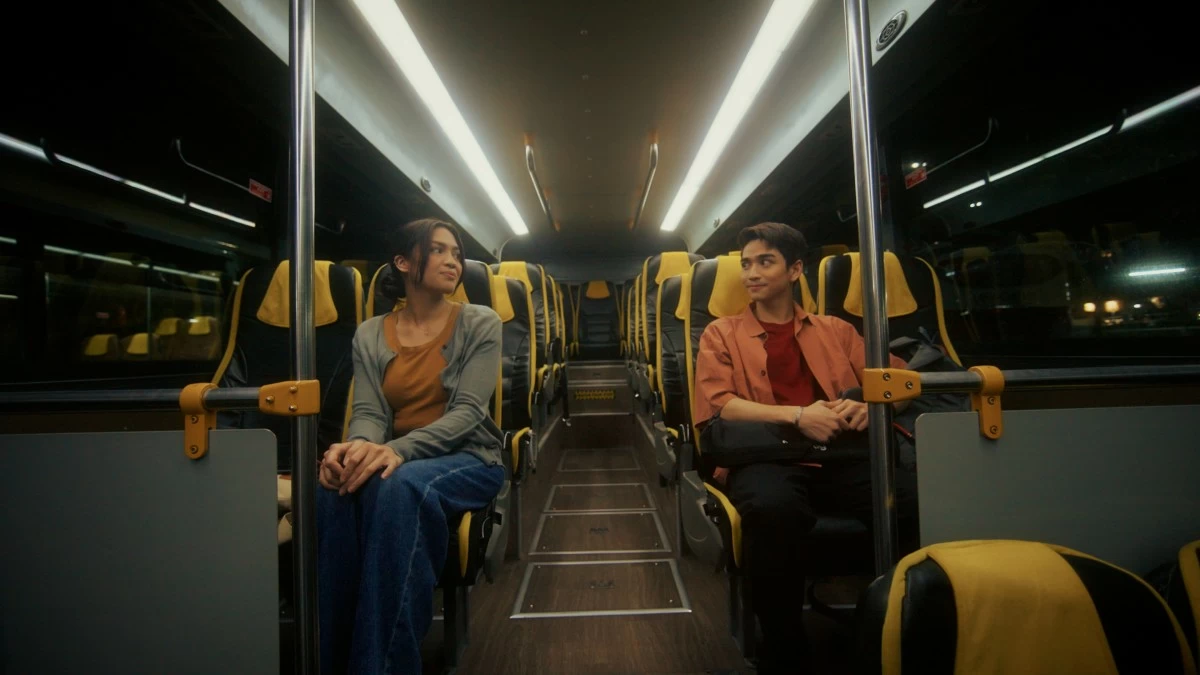
Zaijian Jaranilla and Jane Oineza in 'Si Sol at si Luna'
This is true for director Dolly Dulu, whose impressive works, such as "The Boy Foretold by the Stars" and "Love Beneath the Stars," have received acclaim in the past.
For Direk Dolly, the script that became "Si Sol at Si Luna" faced numerous rejections before Puregold Channel recognized its potential as a digital series.
Originally submitted to the Puregold CinePanalo Film Festival, "Si Sol at Si Luna" earned a spot among the top 16 entries but ultimately did not make it to the final cut.
Direk Dolly initially felt dejected. “Siyempre nalungkot ako sa rejection ng CinePanalo. Naniniwala ako na maganda ang script namin kaya masakit na hindi siya natanggap. Sabi ko noon, mukhang last hurrah na ng film dahil ang dami na niyang pinagdaanang mga festivals, mga sinalihan na muntik nang magawa, pero hindi pa rin magawa-gawa. Kaya sabi ko, siguro ipa-park ko na lang muna ang script na ito. (Of course I was saddened by CinePanalo’s rejection. I believe our script was good so it hurt that it wasn’t accepted. I said before, it looks like the film’s last hurrah because it has already been through so many festivals, participated in ones that almost got made, but still couldn’t get made. So I said, maybe I’ll just park this script for now.)"
In time, however, Direk Dolly restored her faith in the story of Si Sol at si Luna. “May bitter moments din, but given enough processing . . . bumalik ang paniwala ko na things happen for a reason; whatever is meant to be, will be. Take your loss with grace. Inisip ko rin na hindi ito ang endgame ng Si Sol at si Luna. (There were bitter moments too, but given enough processing...I came back to believe that things happen for a reason; whatever is meant to be, will be. Take your loss with grace. I also thought that this was not the end game of Si Sol at si Luna.)"
True enough, the well-crafted narrative of heartache, grief, healing, and love’s many incarnations stood out so strongly that the festival organizers decided to move forward with the project, but in a different form. Si Sol at si Luna was greenlit as a weekly digital series, allowing the story to expand and unfold over time, and making beautiful cinematography accessible to a larger audience.
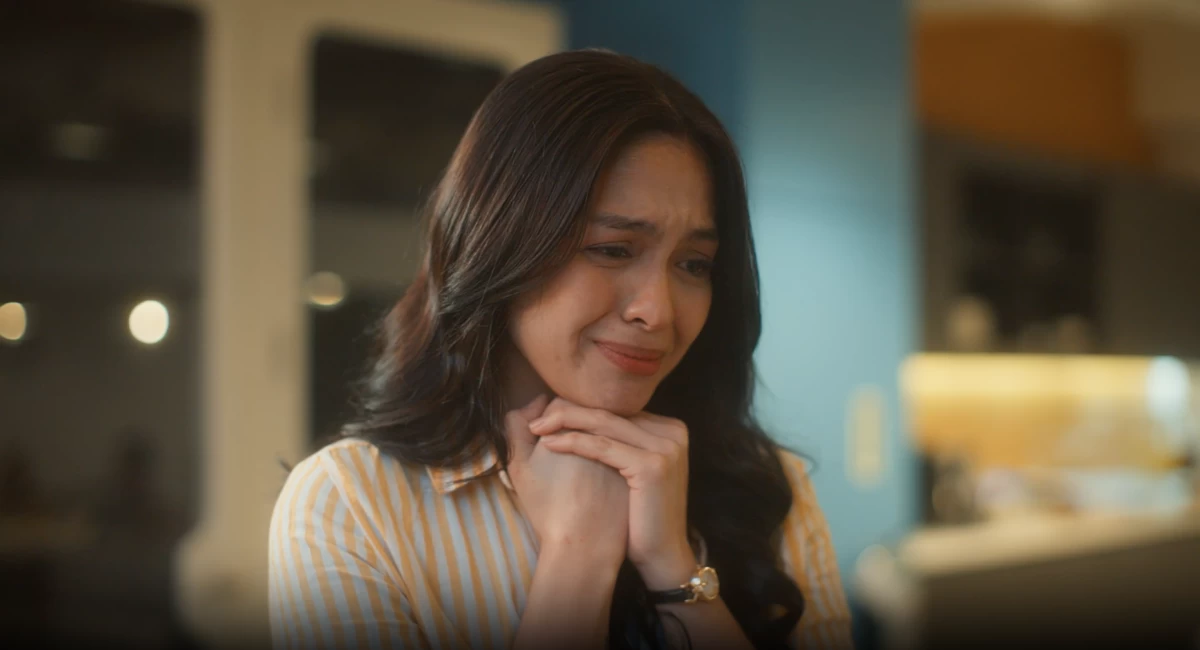
Jane Oineza
When asked what changed in her creative approach, Direk Dolly disclosed that the movie version was a slow-burn story. Changes were made to make the narrative more apt for a series, which requires a hook in each episode to keep viewers wanting more.
“In a way, ganoon pa rin ang series maski marami kaming binago. For example, dapat there is more conflict dahil requirement 'yon ng series. Kailangan, mayroon kang binabalik-balikan, pero may overarching conflict pa rin ang kuwento na dapat i-resolve. (In a way, the series is still the same even though we changed a lot. For example, there should be more conflict because that's a requirement of the series. It's necessary, you go back and forth, but the story still has an overarching conflict that needs to be resolved.)"
According to Direk Dolly, it helped that Si Sol at si Luna had many side characters, and turning it into a series meant enhancing and exploring the stories and conflicts of these characters. “Na-excite ako, pero naging malaki ang change."
When asked how she handled rejection from Puregold CinePanalo, Direk Dolly gave very helpful advice. “You have to give yourself time to grieve. Kinailangan kong tanggapin na hindi ako natanggap, at sa pagtanggap nito, makaka-let go ka at makaka-move forward. Kung hindi, you will become bitter. Masaya rin ako kasi marami akong kaibigang nakapasok sa CinePanalo. (I had to accept that I wasn’t accepted, and by accepting this, I could let go and move forward. Otherwise, you will become bitter. I’m also happy because I have many friends who got into CinePanalo.)"
Rejection, Direk Dolly asserts, deepens character. “Kailangan natin ng rejection at redirection bilang filmmaker. It takes a lot of tenacity, willpower, and processing to convert what you’re feeling into something more positive. Pero sa totoong buhay, ang pagtanggap natin sa rejection deepens our character, makes us more driven, and makes us more hungry for our story to be told. Kung naniniwala ka sa sarili mo, sa story mo, hindi mo siya dapat sukuan. (We need rejection and redirection as filmmakers. It takes a lot of tenacity, willpower, and processing to convert what you’re feeling into something more positive. However, in real life, accepting rejection deepens our character, makes us more driven, and fuels our desire for our story to be told. If you believe in yourself, in your story, you shouldn’t give up.)"
And because Direk Dolly did not give up on Si Sol at si Luna, the story is now making waves in the entertainment landscape for its enchanting cinematography and rich narrative.
Now streaming on the Puregold Channel on YouTube, the show stars Zaijan Jaranilla as Sol, a film student determined to make a documentary about love, despite never having experienced it himself.
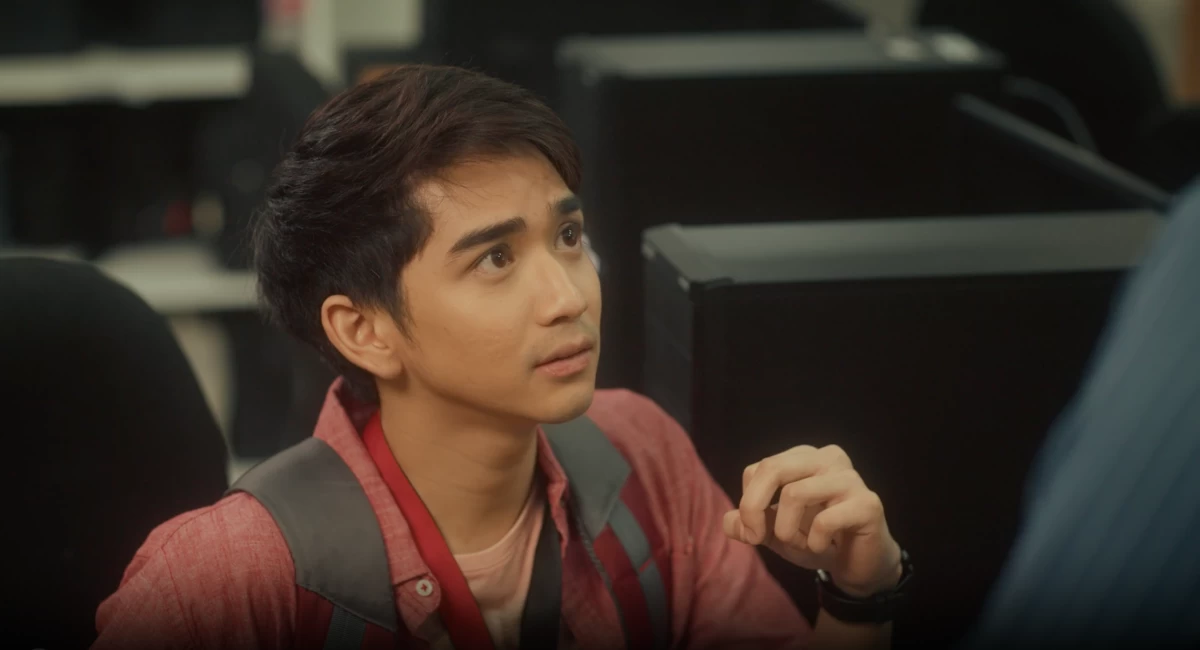
Zaijian Jaranilla
This journey changes drastically when Sol notices Luna, portrayed by Jane Oineza, quietly crying on a bus—an encounter that leaves a lasting impression on Zaijian’s character.
Direk Dolly notes how the episodic format gave the story more room to breathe: “It became more intimate and more real.”
Puregold Senior Marketing Manager Ivy Hayagan-Piedad notes how this redirection seems like the right choice for the series. “The decision to turn Si Sol at si Luna into a digital series is proving successful, as we see how the story has generated strong interest from viewers, with many YouTube commenters expressing their anticipation and appreciation of the narrative. We always believed that Si Sol at si Luna will touch and heal a lot of hearts.”
The series’ pilot episode, “Babae sa Bus,” opened the complex love story with Sol musing about a love that seems impossible, like the sun and the moon ever meeting. He then met the grieving Luna, whom he was instantly drawn to in a way he could not explain.
In the next episode, “New Management,” we’ll find out if Sol will find the courage to speak to the woman who has moved him so deeply.
What will Sol and Luna discover as their story unfolds?
Don’t miss a single moment! Catch the next episode of Si Sol at si Luna on Saturday, June 7, on the Puregold Channel on YouTube.
Watch Episode 1 here: Si Sol At Si Luna | Episode 1 - "Babae Sa Bus"