






Amid growing concerns over declining literacy rates and post-pandemic learning recovery, education advocates on Friday, May 30, called on the Department of Education (DepEd) to expand its reading intervention programs to better support struggling and transitioning readers across all grade levels.
Manila Bulletin
 Philippines
National
DepEd urged to expand reading intervention programs to support all struggling, transitioning readers
Philippines
National
DepEd urged to expand reading intervention programs to support all struggling, transitioning readers
Philippines
National
DepEd urged to expand reading intervention programs to support all struggling, transitioning readers
DepEd urged to expand reading intervention programs to support all struggling, transitioning readers
Published May 30, 2025 05:48 pm


At A Glance
- Data reveals 1.7 million learners are 'transitioning readers'; experts and advocates urge DepEd to include them in literacy intervention programs.
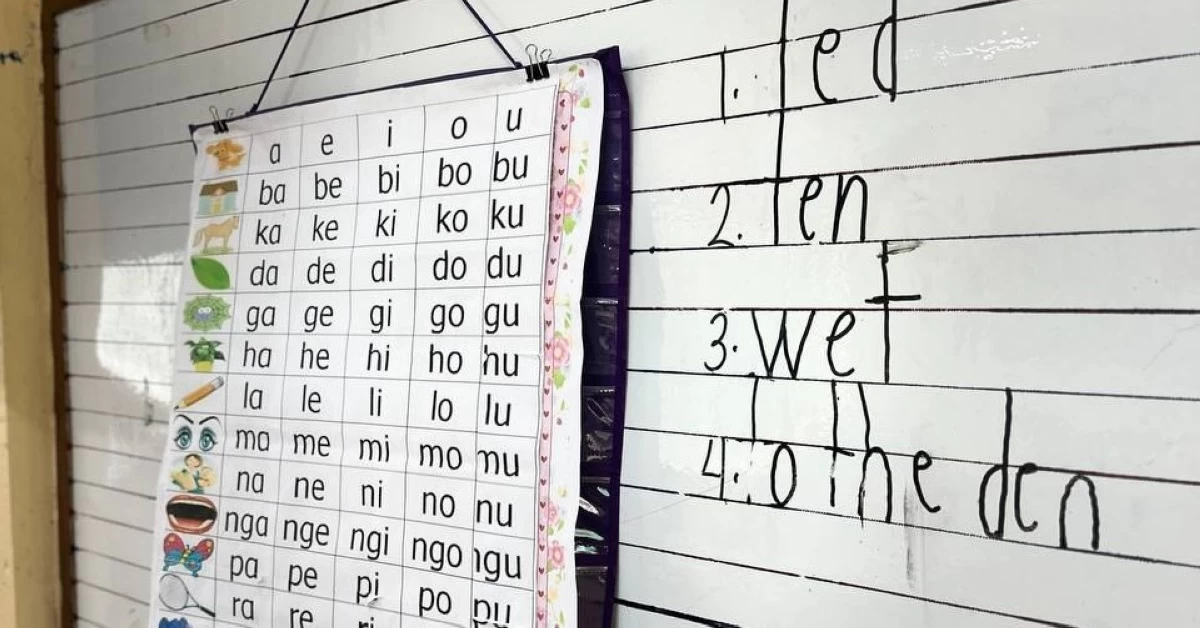
Literacy should be everyone’s agenda—not just DepEd’s—according to EDCOM 2. (Photo courtesy of EDCOM 2)
The Second Congressional Commission on Education (EDCOM 2), in a statement, urged DepEd to broaden the scope of its literacy intervention programs to reach all struggling and transitioning readers.
This followed a monitoring visit on May 29 to Gotamco Elementary School and Jose Rizal Elementary School in Pasay City.
The site visits were part of EDCOM 2’s ongoing efforts to assess the rollout of DepEd’s 2025 Summer Programs and evaluate the impact of learning recovery initiatives.
These programs are critical responses to the educational setbacks caused by the pandemic and long-standing learning gaps across the country.
Current reading programs
EDCOM 2 praised DepEd’s targeted literacy programs this year, especially the Bawat Bata Makababasa initiative in Region 9 and the nationwide Literacy Remediation Program (LRP) for Grade 3 students.
These interventions have shown promise in addressing foundational reading skills among early-grade learners.
“These programs directly align with our call for targeted learning recovery and fixing the foundations,” said EDCOM 2 Executive Director Karol Mark Yee.
The Commission commended DepEd’s focused intervention programs this year, which targeted Key Stage 1 students (Grades 1 to 3) through the Bawat Bata Makababasa Program in Region 9 and the LRP nationwide for Grade 3 students.
Yee noted that by using the Comprehensive Rapid Literacy Assessment (CRLA) to “target learners, provide sufficient time for drills, and ensure attentive support from teachers by having smaller groups,” DepEd has “addressed many concerns” raised over the past two years of running the National Learning Camps.
Feedback from parents has also been encouraging, according to EDCOM 2, as many noted that their children not only improved their reading skills but also gained self-confidence and better social interaction through the summer classes.
Include 'transitioning readers'
While current efforts have largely focused on “low emerging readers,” EDCOM 2 is urging DepEd to extend support to “transitioning readers”—learners who are close to grade-level fluency and comprehension and have the potential to catch up within a year with the right support.
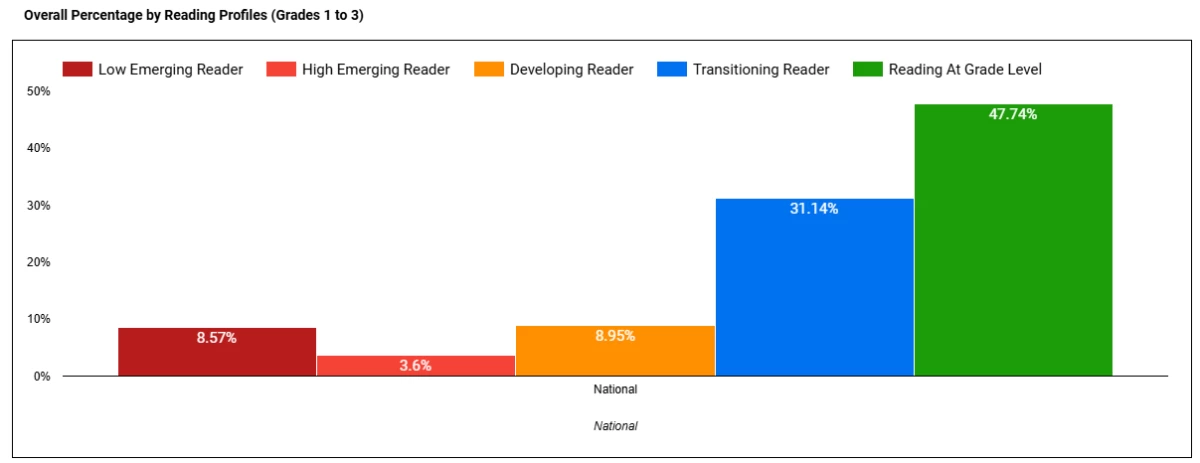
Percentage breakdown of DepEd’s Comprehensive Literacy Assessment (CRLA) data by Reading Profiles. (Courtesy of EDCOM 2)
According to CRLA data, 52.26 percent—or approximately 2,851,215—of the assessed students in Grades 1 to 3 are not yet grade-level ready.
EDCOM 2 pointed out that DepEd’s current interventions mainly target students classified as “low emerging readers.”
During a focus group discussion with educators, EDCOM 2 Co-Chairperson Rep. Roman Romulo acknowledged that while “programs are working,” improvements are still needed. “Teachers need more time and flexibility to focus solely on reading,” he added, mixing English and Filipino.
EDCOM 2 strongly urged DepEd to include transitioning readers in its intervention programs.
Citing CRLA data, EDCOM 2 noted that 1.7 million learners fall under the category of “transitioning readers,” yet are not currently prioritized in existing remediation programs.
These learners begin the school year reading with 51 to 75 percent fluency at their grade level. They can correctly answer at least half of comprehension questions and have the potential to reach grade-level proficiency within the year with focused, strategic support.
Attendance remains a challenge
Despite the mandatory nature of the summer reading program, school officials report challenges in securing attendance from the very students who need help the most.
“Kagaya po ngayong summer, kung sino po ‘yong mga kailangan namin maturuan, sila po ang hirap kaming makipag-coordinate (Like this summer, the ones who most need our instruction are the hardest to coordinate with),” said Padre Zamora Elementary School Principal Genalin Ong.
DepEd Undersecretary Gina Gonong echoed this concern, emphasizing the importance of consistent learner engagement for effective remediation.
Advocate 'teaching at the right level'
EDCOM 2 also reiterated the need to implement “teaching at the right level”—grouping students by actual reading ability rather than grade level—to allow for more focused and appropriate instruction.
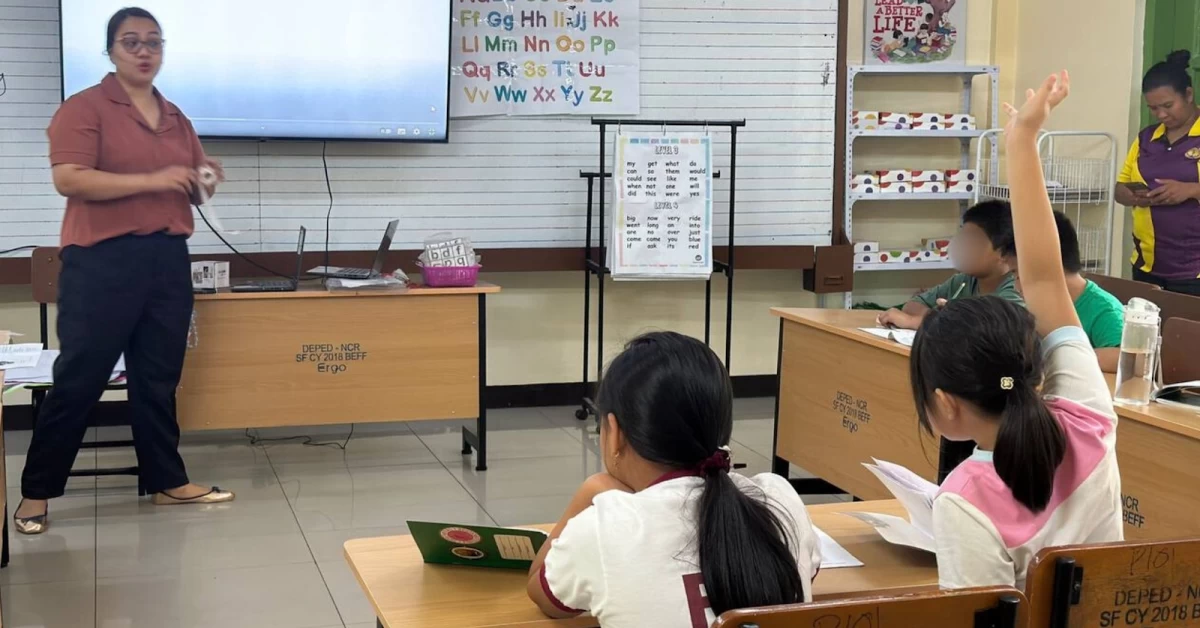
DepEd should broaden its intervention programs to support all struggling readers and implement a 'teaching at the right level' approach in the upcoming school year to better address learning gaps, according to EDCOM 2. (Photo courtesy of EDCOM 2)
This approach, long advocated by education reform experts, can help address the wide disparity in reading skills within the same classroom.
A resolution filed by EDCOM in August 2024 had already urged DepEd to dedicate the first eight weeks of the school year to targeted literacy remediation.
Engage LGUs in literacy support
Romulo and other commissioners highlighted the critical role of local government unit (LGU) involvement in literacy initiatives.
They suggested stronger partnerships between schools and barangays to track and bring in learners who fail to attend intervention programs.
Romulo also emphasized the need for support from LGUs: “Kailangan rin ng suporta ng (We need support from) local communities, lalo na ng (especially) LGU. We need to engage the LGUs more,” he added.
In addition to stronger involvement from LGUs, Romulo noted that the burden on teachers and schools should be reduced.
“Literacy should be everyone's agenda, not just DepEd’s,” Romulo said, adding that “if we truly want to reach children struggling with reading, there needs to be coordination from the barangay to the city level.”
A model for local literacy support
During the visit, EDCOM 2 learned that Pasay City has been funding its own reading program for nearly two decades—a testament to sustained local commitment.
The Commission cited this as a model for other LGUs, encouraging the use of the Special Education Fund (SEF) to support consistent, targeted interventions for at-risk learners.
Established under Republic Act No. 11899, EDCOM 2 is tasked with conducting a comprehensive national assessment of the Philippine education system and is expected to recommend policy reforms and legislation to address the education crisis.