






 Philippines
National
Transport group: Fair insurance benefit for private cars boosts dignity, peace of mind of Pinoy motorists
Philippines
National
Transport group: Fair insurance benefit for private cars boosts dignity, peace of mind of Pinoy motorists
Transport group: Fair insurance benefit for private cars boosts dignity, peace of mind of Pinoy motorists


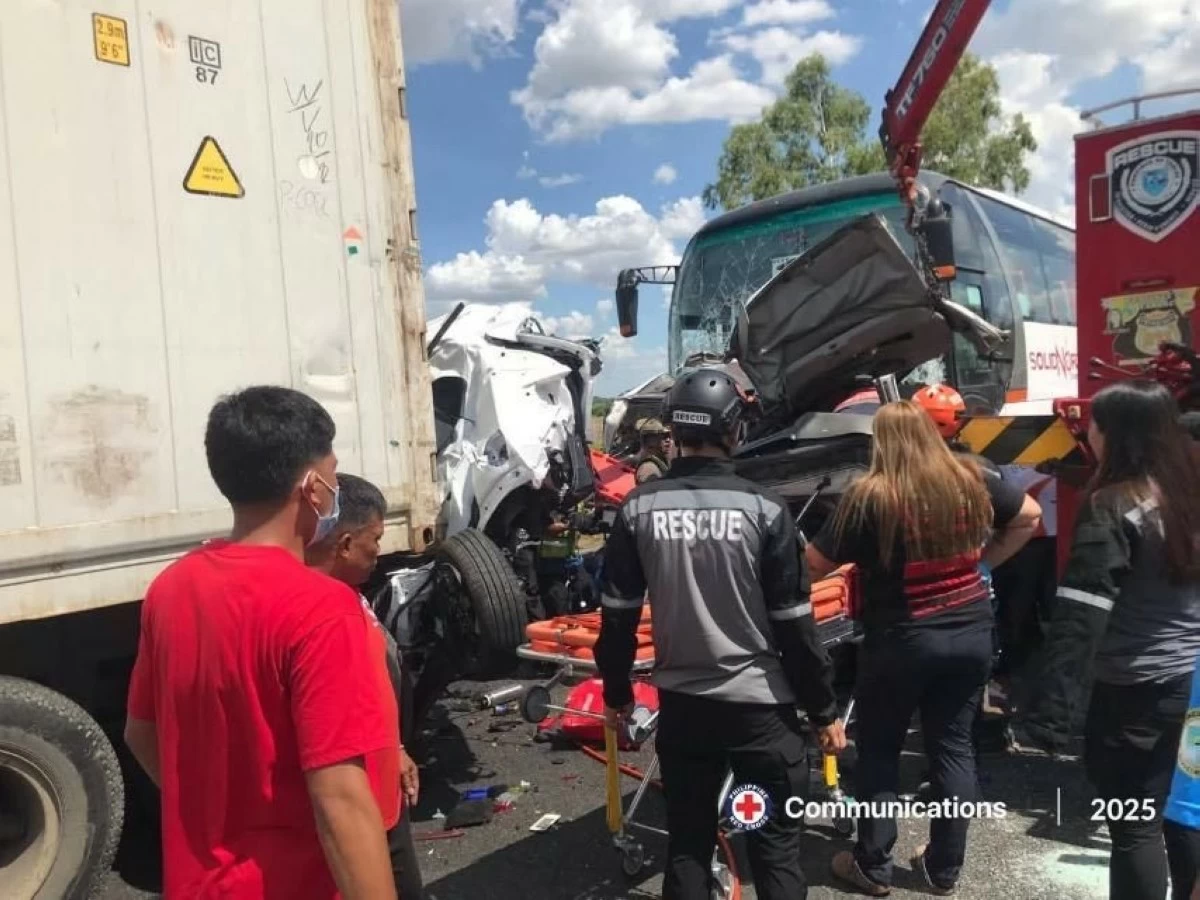
Amid the ongoing review following President Marcos’ order for the Department of Transportation (DOTr) to study the proposal to increase the insurance benefits for private vehicles, a transport group leader said the government may want to take a look at the insurance system being implemented for public utility vehicles (PUVs).
Alliance Transport Operators and Drivers Association of the Philippines (Altodap) President Boy Vargas said the P400,000 insurance payment per fatality and P100,000 per injured passenger under the two-group system in the PUV insurance system is sufficient coverage that is acceptable both to the private cars and insurance firms.
“Tested and proven na itong sistemang ito at wala namang masama kung titingnan ito ng DOTr kung puwedeng i-implment sa mga pribadong sasakyan (This system is tested and proven and there’s nothing wrong if the DOTr would take a look at this for implementation on private vehicles,” said Vargas who recalled how transport groups fought for the “two-group” system in 2008 amid attempt by the Government Service Insurance System to take over the insurance for PUVs.
“Itong sistemang ito ang dahilan kung bakit kahit papaano ay kampante ang mga tsuper at operator ng PUVs dahil malaking halaga ang insurance payment. Baka uubra din ito sa mga private cars (This system is the reason why PUV drivers and operators have peace of mind, because of high insurance claims)” he added.
Altodap is the most vocal in pushing for a fair insurance system for all road users.
Its appeal to President Marcos for a fair insurance system following the SCTEX accident that left 10 people dead became instrumental in the Chief Executive tasking the DOTr to look into the issue.
What is good with the current two-group insurance system for PUVs, according to Vargas, is the “all risk, no fault” policy under the Passenger Personal Accident Insurance, which is a major requirement in obtaining a franchise from the Land Transportation and Franchising Board (LTFRB).
Under the policy, all PUV passengers, including the driver, are covered for death and injury regardless of who is at fault or the cause of the accident.
Under the two-group scheme, the insurance of PUV units are equally distributed to the two accredited insurance consortiums in a bid to simplify and facilitate the application and the processing of insurance claims.
And since the PPAI is mandatory to get a franchise via the Certificate of Public Conveyance, Vargas said this scheme should also be applied to private motor vehicles during registration and renewal of registration of private motor vehicles.
Currently, the mandatory insurance for the registration and renewal of private motor vehicles is through the Compulsory Third Party Liability (CTPL) which is just being taken for granted due to its limited coverage.
The LTFRB is the main implementer of the PPAI program.
Once it is adopted, Vargas explained that private car drivers and passengers would enjoy the P400,000 per fatality and P100,000 per injured passenger insurance claim—as opposed to the current maximum P200,000 that is still to be divided among all victims in case of multiple casualties.
Earlier, Vargas urged DOTr Secretary Vince Dizon and the Insurance Commission to take advantage of the determination of President Marcos to further improve road safety measures through a reform in the insurance system.