








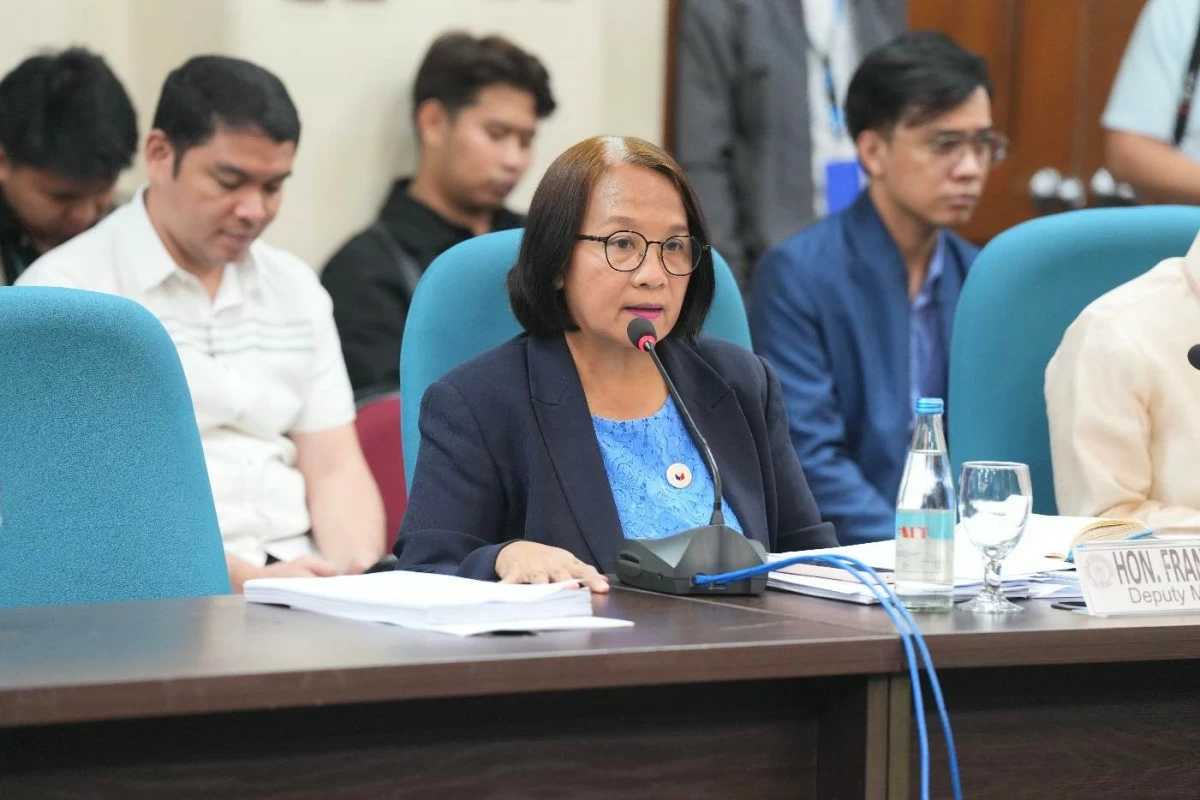
In a vitriol-filled statement, ACT Teachers Party-list of the militant Makabayan bloc slammed on Tuesday, the alleged "systematic fraud and manipulation" in the just-concluded May 12 elections.
"What we witnessed in the recent elections was a mockery of democracy," declared House Deputy Minority Leader and ACT Teachers Partylist Rep. France Castro, who ran for senator in the polls.
""The party-list system, originally designed to give voice to the marginalized, has been thoroughly corrupted by political dynasties and big business interests who used government resources and programs to buy votes and manipulate results," she said.
"Ang nangyari sa nakaraang halalan ay tahasang panloloko sa mamamayang Pilipino. Dinehado nila ng todo ang mga progresibong party-list sa pamamagitan ng red-tagging, harassment, at paggamit ng makinarya ng gobyerno para pigilan ang tunay na representasyon ng mga marginalized sectors," Castro stressed.
(What happened in the recent elections was outright deception of the Filipino people. They severely disadvantaged progressive party-lists through red-tagging, harassment, and the use of government machinery to suppress genuine representation of marginalized sectors.)
Meanwhile, ACT Teachers Party-list Representative-elect Antonio Tinio highlighted how the electoral system has become a tool for elite consolidation rather than democratic representation.
"The automated election system once again failed the Filipino people, with numerous reports of irregularities, machine errors, and technical glitches that raise serious concerns about the integrity of the entire process," said Tinio, who sealed his return to the House of Representatives with his poll victory.
"This flawed system was used to further marginalize the progressive bloc and deny genuine representation to the people," he said.
"Ang sistemang elektoral ay ginawang kasangkapan ng mga nasa poder upang panatilihin ang kanilang kapangyarihan at pigilan ang tunay na pagbabago. Subalit hindi nila maaaring pigilin ang tinig ng mamamayan na nagnanais ng tunay na representasyon," he added.
(The electoral system has been turned into a tool by those in power to maintain their dominance and hinder real change. However, they cannot silence the voice of the people who demand true representation.)
Despite these challenges, the two lawmakers affirmed that they will continue to address the broader societal problems facing the Philippines, particularly the crisis in education that reflects the deeper inequalities in Philippine society.
"Our education crisis is a manifestation of the broader crisis of our society—where basic services are neglected while the elite accumulate more wealth and power," Castro said.
Tinio, for his part, emphasized the need to increase the education budget to 6 percent of gross domestic product (GDP) as recommended by UNESCO, and linked this to the broader fight against corruption and misplaced priorities in government spending.