







Entering the new age of aesthetic injectables
Are biostimulators better than fillers?


At A Glance
- Biostimulators come in a variety of formulations, each a bit different in origin but sharing the same endgame, collagen induction.
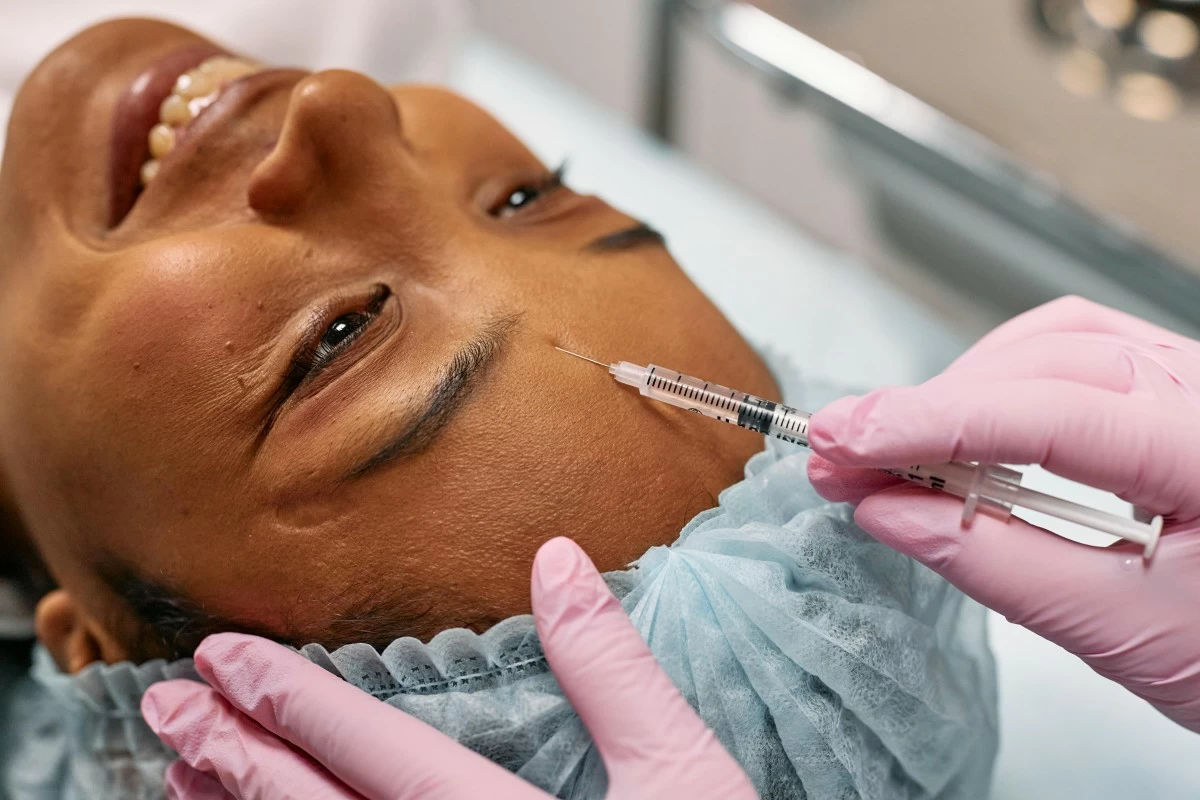
For years, dermal fillers have been the trusty workhorses of medical aesthetics, smoothing wrinkles and plumping gaunt cheeks almost instantly. But a new class of injectables is making waves in clinics and medspas, promising not just to fill but to heal and renew the skin from within. These are the biostimulators and their transformative rise is changing the landscape of aesthetic medicine. In Manila and around the world, patients and practitioners alike are buzzing about collagen-boosting injections that claim to rejuvenate in a more natural way.
Biostimulator suggests something that wakes up your biology, a far cry from the purely structural “filler.” Indeed, the field has shifted towards minimally invasive treatments that stimulate the skin to rebuild itself, rather than simply inserting volume. Let’s dive in to learn how different they are from the fillers we’ve come to know and love.
How do they work?
Biostimulators are injectable substances that trigger your body’s own collagen and elastin production. Instead of acting like spackle to fill a crack, they act more like fertilizer for your skin’s garden, thus, encouraging growth and repair. Traditional fillers physically add something under the skin while biostimulators cause your skin to generate new tissue.
Biostimulators come in a variety of formulations, each a bit different in origin but sharing the same endgame, collagen induction. Some of the key players include poly-L-lactic acid (PLLA), calcium hydroxyapatite (CaHA), and polycaprolactone (PCL). These are all materials that can be injected to improve skin texture, elasticity, and volume by spurring collagen formation. Even hyaluronic acid (HA), the molecule behind most classic fillers, has been re-engineered in certain products to act as a biostimulator rather than a simple filler. For example, traditional cross-linked HA gels are great at adding volume but have “low biological activity,” whereas newer hybrid HA formulations combine high- and low-weight HA to not only fill but also jump-start tissue rejuvenation. These innovative HA injectables blur the line between filler and booster, aiming to hydrate and “bio-remodel” the skin from the inside out.
To paint a clearer picture, imagine the face’s structure as a bed with a lumpy, aging mattress (the deeper fat and collagen layers) under a wrinkled sheet (the skin surface). A filler is like stuffing more foam under the sheet to smooth it out, an immediate fix. A biostimulator, by contrast, is like restoring the mattress itself, strengthening the support structure by encouraging new firmness and resilience in the material of the bed. The result is often a subtler, more gradual improvement that lasts longer and actually improves the skin’s health and quality.
Clinical efficacy and patient satisfaction
Early clinical evidence for biostimulators is encouraging. Patients who receive collagen-stimulating injections often report improvements that go beyond what they’d expect from a filler. In one pilot study of a next-generation HA-based biostimulator, doctors injected a novel HA hybrid into the deep cheek area, into the fat layer itself, as a strategy to rebuild facial support. Most participants saw a marked reduction in wrinkles and increased skin firmness. These benefits were still evident three months after the treatment course. Those patients’ self-evaluations agreed with the physicians’ assessments, suggesting real-world satisfaction with the results.
Another study focused on a PLLA-based collagen biostimulator, a type of injectable that has been used for years to stimulate collagen in sagging faces. In this 52-patient trial, the treatment proved safe and well-tolerated, with only mild, transient side effects like redness, swelling, or small lumps that resolved on their own. Three to five months after treatment, patient satisfaction was high. On a standard Global Aesthetic Improvement Scale, the average ratings indicated noticeable improvement that held steady from 90 days to 150 days post-injection. The authors concluded that PLLA collagen stimulators provide “long-lasting, satisfactory results” for people with mild to moderate facial sagging, making it an effective nonsurgical option for rejuvenation. In plainer terms, patients were happy months down the line, and the refreshed look wasn’t fading fast.
These findings align with what many aesthetic professionals are observing in practice. Since biostimulators work by building tissue, the improvements tend to unfold over time. often looking more apparent as weeks pass and new collagen forms. This slow bloom of results can be a bonus. Friends might comment that you look refreshed, but it’s gradual enough that it doesn’t scream, “I had work done overnight.” And the improvements, once they’ve developed, can stick around longer than the quick fixes of standard fillers. As one dermatologic review noted, biostimulator treatments can significantly improve skin texture and elasticity while restoring volume, effects that speak to a holistic rejuvenation, not just a spot repair.
None of this is to say biostimulators are a magic wand or completely risk-free. Proper injection technique and patient selection are critical. A collagen stimulator placed incorrectly could, for example, lead to nodule formation since you’re essentially causing a controlled inflammatory response to trigger collagen. Do too much, and you get a small lump. Thankfully, studies so far report low rates of such issues, especially when treatments are done by trained professionals. In terms of safety, biostimulators seem to hold up well and unlike certain filler complications, think of the rare but scary filler-in-artery causing skin loss, collagen stimulators primarily work in a diffuse way and lack an immediate volumizing gel, which may reduce some acute risks of necrosis. Practitioners often massage treated areas and space sessions weeks apart to ensure even distribution and smooth results.
Biostimulators vs. traditional fillers: Competition or a perfect pair?
Are biostimulators poised to replace the dermal fillers in every cosmetic injector’s toolkit? Not exactly, or at least not yet. Traditional fillers, like those based on hyaluronic acid, still excel at quickly lifting a crease or restoring a sunken area with precision. Sometimes you want that instant gratification and the ability to sculpt with artistic control. However, biostimulators offer a different philosophy of enhancement, one that is increasingly appealing to both doctors and patients looking for longer-term solutions. Here’s how they stack up on a few key points:
• Mechanism: Fillers add volume directly. Think of them as implanting a cushion under the skin, whereas biostimulators induce your body to create volume by stimulating collagen and elastin production. The latter leads to a more biological form of rejuvenation, your own tissue gradually improving.
• Onset of results: With fillers, what you see is what you get immediately after injection, apart from a bit of swelling. Biostimulators, by contrast, have a delayed gratification factor. Results emerge over weeks as new collagen forms. As one patient of mine jokes, “It’s the slow cooker of beauty treatments… Not fast, but worth the wait!”
• Longevity: Due to inciting new collagen, biostimulator results often last longer than those of regular fillers. Many HA fillers are metabolized in eight to 16 months, necessitating top-ups. Biostimulated collagen, however, can persist one to two years or more, gradually aging with you. One study noted the enduring effect five months in with no drop-off, and in practice, PLLA and CaHA treatments have shown durability well beyond a year in many cases.
• Reversibility and adjustments: An under-appreciated difference is that hyaluronic acid fillers are reversible with an enzyme injection if you don’t like the look or have a complication. Most biostimulators cannot be immediately dissolved. Once injected, you have to let them run their course. This means choosing an experienced injector is crucial; you’re making a longer-term investment in how your face will look.
• Skin quality improvements: Traditional fillers excel at filling hollows and wrinkles but generally do not improve skin quality. Biostimulators, on the other hand, often enhance the skin’s texture, firmness, and glow as a happy side effect of all that collagen remodeling. Patients often remark that their skin “feels thicker” or more elastic months after treatment, something you’d never hear from a standard filler alone.
Rather than pure competitors, fillers and biostimulators are increasingly seen as complements in a comprehensive rejuvenation plan. A skilled aesthetic physician might use fillers for precise shaping like a touch to lift a droopy nasolabial fold or to augment a shallow tear trough and biostimulators for general boosting. For example, improving overall cheek and jawline tightness or skin luminosity. This combo approach can marry the best of both worlds: immediate improvements plus long-term regeneration. In fact, there’s growing interest in combination treatments where biostimulators are used alongside botulinum toxin, fillers, or even laser devices to maximize results. The competitive rise of biostimulators doesn’t mean tossing out your filler syringe. It means we have more tools in the toolbox to tailor treatments to what each patient truly needs.
A new era for aesthetic practice and patients
From the perspective of a practitioner, the rise of biostimulators has been nothing short of transformative. Just a decade ago, the idea of injecting something that coaxes your skin to rejuvenate itself felt almost futuristic. Now it’s here, and it’s forcing us to think more holistically. We’re not just chasing a wrinkle or a volume deficit; we’re considering the skin’s biological vitality. In my practice, I’ve seen a shift in patient attitudes as well. Many clients in their 40s and 50s are less interested in looking “instantly 10 years younger,” with the sometimes unnatural puffiness that overly aggressive filler use can impart, and more interested in aging gracefully by improving skin quality, preventing sagging, and maintaining a natural look. Biostimulators speak to that desire. They offer a subtler kind of beauty boost: one that whispers rather than shouts.
Clinically, the advent of biostimulators means continuous learning for providers. Injection techniques can differ from those of traditional fillers. For instance, some biostimulatory products are injected deeper, even into the fat compartments or near bone, to provoke structural collagen support. There’s nuance in how you prepare the material. Certain collagen stimulators need to be mixed and sit for a bit before injection. Plus, how you follow up, patients might be advised to massage the area and results aren’t evaluated until weeks later. The competitive energy in the aesthetic market has also spurred companies and clinicians to innovate further. We now see hybrid approaches such as combining skin boosters with micronutrients or growth factors and new protocols aiming to amplify the collagen response even more. In conferences, whether in Harvard’s academic halls or at local dermatology society meetings, discussions around biostimulator best practices and comparative results have taken center stage. It’s an exciting time, but also one that demands scientific rigor to truly validate which innovations are worth the hype.
For patients and the general public, the rise of biostimulators offers both optimism and a bit of a learning curve. Terms like “collagen biostimulation” are becoming part of beauty vocabulary, and savvy clients are asking detailed questions about how a treatment works, not just how fast it works. This is a positive development: an informed patient is usually a happier patient. If you’re considering an aesthetic treatment, understanding the difference between a quick filler fix versus a collagen-boosting strategy will help you set the right expectations and find the right provider. You might ask, am I okay waiting three to four months to see full results, in exchange for a longer-lasting, more natural outcome? Or do I need a touch-up for that wedding next week, in which case filler might be the logical choice? These are the kinds of conversations now happening in cosmetic clinics.
In the competitive realm of aesthetic medicine, biostimulators have certainly earned their place at the table, right alongside fillers and Neuromodulatorz. They are not a fad destined to fizzle; they represent a genuine shift toward treatments that engage our body’s own rejuvenating powers. As a dermatologist, I find that deeply encouraging. We are moving from an era of concealing and filling to one of healing and stimulating. The beauty industry is often criticized for being superficial, but the success of biostimulators underscores a desire for substance over just surface. We’re learning that the best way to refinish the exterior might just be to reinforce the interior.
In the end, whether you’re a medical professional keen on the latest techniques or just someone curious about the next big thing to keep you looking refreshed, biostimulators are worth knowing about. They’ve added a new dimension to anti-aging practice, one that bridges the gap between cosmetic quick-fixes and true regenerative medicine. The competitive rise of these collagen builders is pushing all of us, doctors, patients, and yes, even industry giants, to rethink how we achieve beauty and longevity. From the looks of it, and the science backing it, this is a trend that has some real staying power, quite literally, in the collagen that stays with you.