







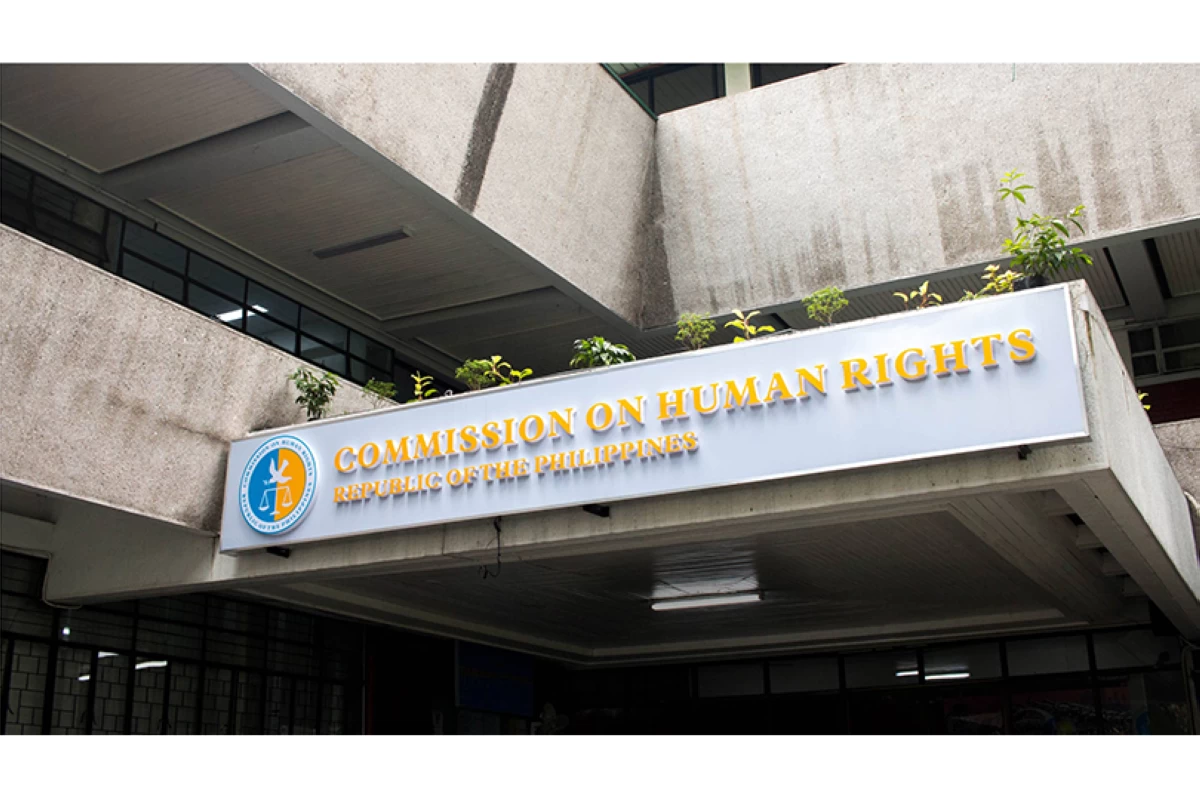
The Commission on Human Rights (CHR) said it has achieved gains in improved access to justice and strengthened institutional support for human rights protection through projects with the European Union and the Spanish Agency for International Development Cooperation (AECID).
CHR cites gains of projects with foreign partners
Published May 16, 2025 12:00 pm


It held a culminating activity of the Governance in Justice (GoJUST) Human Rights Project with the launch of the GoJUST and LAKARAN Human Rights Caravan Coffee Table Book at the Park Inn by Radisson in Quezon City on Friday, May 16.
"It is a celebration of the program’s achievements, the collaborative efforts that made them possible, and the hopeful path it paves for sustained human rights initiatives moving forward,” the CHR said.
The closing event brought together human rights defenders, representatives from local government units (LGUs), civil society organizations, and international partners, it also said.
The project, the CHR said brought about the resolution of numerous backlogs and pending cases, the release of evidence-based reports and policy documents, and the development of local policies in collaboration with various LGUs on Human Rights, Gender and Development, and Gender Equality and Social Inclusion (GESI).
It also said it conducted extensive visits to jails and detention facilities, including those with high congestion levels, and shared findings through human rights situation reports that contained specific recommendations to address the needs of vulnerable groups, particularly women in detention.
Capacity-building initiatives were also strengthened, with the CHR conducting trainings for investigators, lawyers, and security officers on human rights investigation protocols, it added.
At the same time, the CHR said that with the project the commission likewise expanded its regional presence through the construction of new regional offices, improving accessibility and service delivery nationwide.
To promote human rights education, the CHR said it developed several knowledge tools and advocacy materials.
It said it also launched two new case management systems -- the Management Information System Monitoring Outlet (MISMO) and the Places of Deprivation of Liberty Visitation Information System (PVIS) -- to facilitate more efficient processing of complaints and requests, and to enhance monitoring of conditions in detention facilities.