







Needing heroes
Published Sep 2, 2026 12:05 am
|
Updated Sep 1, 2026 04:12 pm


THE VIEW FROM RIZAL
By tradition, during the week of Araw ng mga Bayani, we dedicate our column to reflecting on our continuing need for heroes. It is that time of the year. Two days after we marked National Heroes Day on Aug. 31, the wreaths at the Libingan ng mga Bayani have been cleared, and the official ceremonies have ended. Yet the quiet question remains: Where are our heroes now, and what does it truly mean to be one?
It is interesting that our celebration of “National Heroes Day” deliberately names no single figure. We honor the known and the unknown, the celebrated and the forgotten. We believe that open-endedness is deliberate. It reminds us that the search for heroes is never finished.
Research in psychology and social science consistently shows why.
Researchers and scholars agree that heroes expand our sense of what is possible. They model moral courage, self-sacrifice, and concern for others at personal risk. Studies by Philip Zimbardo and colleagues at the Greater Good Science Center have found that roughly one in five people report having performed acts that meet a rigorous definition of heroism: Defending a moral cause, accepting significant personal risk, and expecting no reward.
These ordinary individuals are not formally recognized, yet their actions quietly hold communities together.
Heroes also shape the values of the next generation. We came across an interesting study of Grade 10 students in Ozamiz City that found exposure to Filipino heroism strongly influenced concepts of nationalism and moderately reinforced discipline, determination, and bravery. The study concludes that when young people see concrete examples of integrity under pressure, those examples become internal compasses.
The understanding of what makes a hero has evolved.
We recall that classical heroes were often warriors who sought glory through conquest. The modern ideal, shaped by Christian ethics, the code of chivalry, and Enlightenment notions of individual moral agency, places far greater weight on saving lives, protecting the vulnerable, and serving a principle larger than the self.
Military historians have documented a clear shift in medal citations over time: From narratives of killing the enemy toward narratives of rescuing comrades and civilians. It is both interesting and inspiring that our modern hero is measured less by dominance and more by selflessness.
For us, Filipinos, this evolution is especially meaningful.
Consider this: We have never formally legislated a single national hero, precisely because the National Heroes Committee recognized that heroism is a living, collective process rather than a fixed pantheon. Our history gives us Dr. Jose Rizal’s intellect and moral clarity, Gat Andres Bonifacio’s daring, Apolinario Mabini’s integrity, and the quiet endurance of countless unnamed revolutionaries, guerrillas, and civilians.
Today that continuum includes our modern heroes.
We honor the millions of Overseas Filipino Workers—our “bagong bayani”—who endure separation from family to sustain households and the national economy.
Among them is Rhodora Alcaraz, the domestic helper in Hong Kong who shielded her employers’ infant with a wet blanket during a devastating fire, risking her own life so that a child might live. We remember the healthcare workers who stood firm during the darkest days of the pandemic: The nurses awarded as “Bayaning Nars” who died in the line of duty; and physicians such as Drs. Willie and Liza Ong, who continue to educate and reassure the public even while battling their own illnesses.
The list includes Olympic champions like Hidilyn Diaz, whose gold medal lifted an entire nation’s spirit; and the young Chris Lorenz Fabian of Tacloban, the senior scout who held a classroom door shut to protect his classmates during a school shooting and paid the ultimate price.
Teachers who trek to remote barangays, fisherfolk who brave contested waters, and soldiers who stand watch daily—they too are heroes who carry forward the same spirit of service.
These modern acts rarely earn monuments, yet they meet the criteria researchers now emphasize: moral integrity, self-sacrifice, and protecting others without expecting acclaim.
Kinsella and colleagues’ prototype studies across cultures confirm that the central features people associate with heroes—bravery, conviction, honesty, selflessness, and the determination to save or help—transcend borders and generations.
National Heroes Day is not only a look backward. It is an annual invitation to examine the present and ask whether we are still producing people capable of moral risk. The research is clear: Heroism is not a rare genetic gift. It is a capacity we can cultivate through empathy, optimism, a sense of efficacy, and a community that values service over spectacle.
In short, we can all be “heroes.”
Two days after the official holiday, the real work continues. We honor the past by searching, still, for the heroes among us—and by becoming the kind of people our children will one day choose to remember.
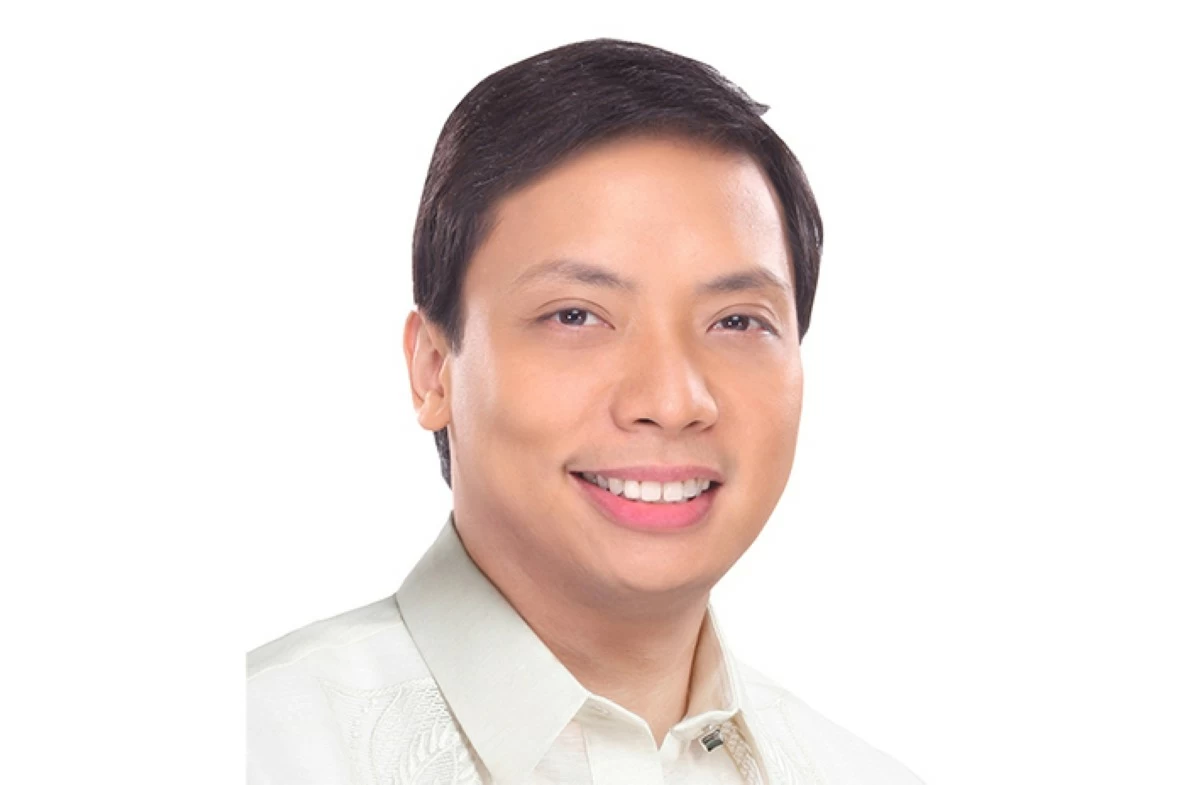
(The author is a Doctor of Medicine, an entrepreneur and the mayor of Antipolo City, former Rizal governor, and DENR assistant secretary, LLDA general manager.Email: [email protected])