






Manila Bulletin
 Lifestyle
Health and Wellness
Why leptospirosis remains a serious threat long after people wade through contaminated water
Lifestyle
Health and Wellness
Why leptospirosis remains a serious threat long after people wade through contaminated water
Lifestyle
Health and Wellness
Why leptospirosis remains a serious threat long after people wade through contaminated water
Why leptospirosis remains a serious threat long after people wade through contaminated water
Published Sep 1, 2026 02:06 pm


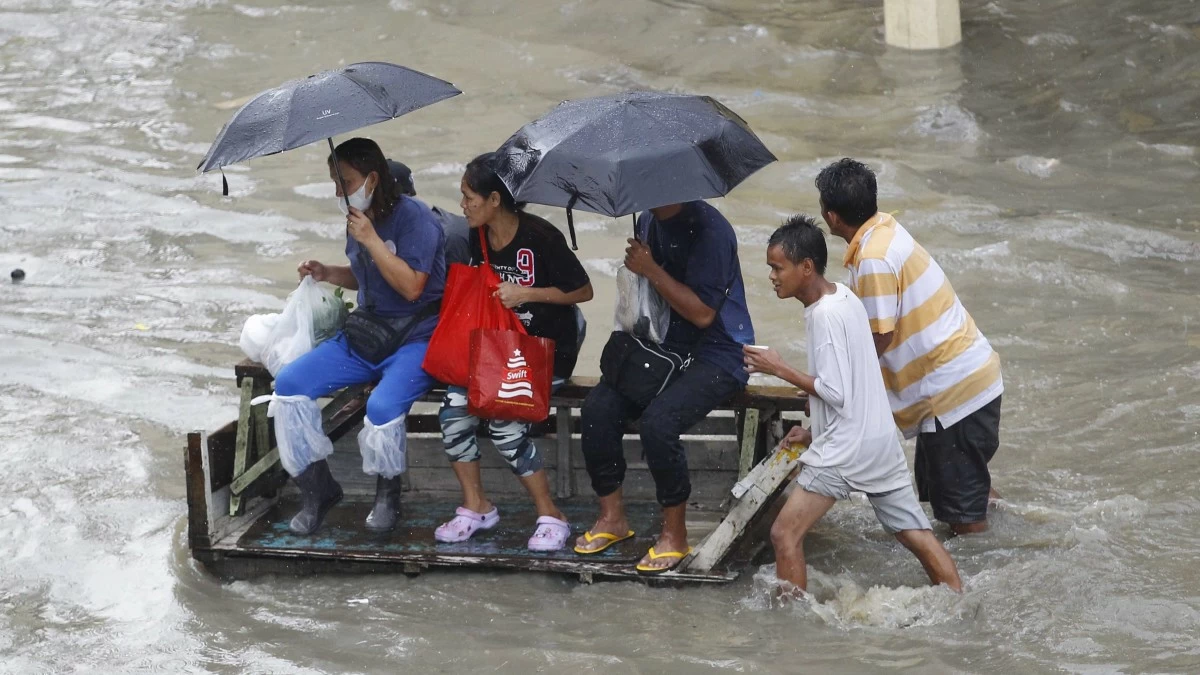
(Photo: Mark Balmores/Manila Bulletin)
During the rainy season, especially when there is widespread flooding, doctors brace for the inevitable deluge of leptospirosis cases. Infectious diseases doctors like me, along with kidney doctors (nephrologists) and lung doctors (pulmonologists), are usually called upon to see the sickest patients. While most people infected with leptospirosis only develop mild symptoms, severe leptospirosis can manifest without much warning, progress quickly, and can be fatal.
Leptospirosis is caused by a spiral-shaped bacteria that is usually found in rodent urine. Other animals such as dogs and cats can harbor Leptospira species, but it is not as common in these animals. Leptospirosis is usually acquired when wading through flood waters contaminated by rat urine. Other less common ways to get leptospirosis are by ingesting food contaminated with rodent urine and feces, as well as eating poorly cooked meat that is infected with Leptospira.
The usual incubation period (time from exposure to symptoms) for leptospirosis is five to 14 days, but in rare cases can be as little as two days or as long as 30 days. Common symptoms of leptospirosis include fever, muscle pain (especially in the calf muscles), fatigue, and headache. Some people develop conjunctival suffusion, which manifests as redness and swelling in the whites of the eyes that can look like sore eyes. Not all these symptoms may be present, and a lot of people only develop milder manifestations, which can get better on their own even without proper treatment.
However, a significant number of patients who are not properly treated with antibiotics progress to severe leptospirosis, which is a life-threatening condition. Signs and symptoms of severe leptospirosis include jaundice (yellowing of the skin), decreased urine output, dark color of the urine, abdominal pain, and shortness of breath. This can lead to coughing up blood, bleeding in the mouth, gums, or stool, and low blood pressure.
People who have been exposed to flood water, even if they have intact skin with no wounds, should seek medical attention as soon as possible. A doctor or healthcare worker can determine the degree of exposure and prescribe antibiotic prophylaxis with doxycycline or an alternative agent.
Prophylaxis works best when given as close to the time of exposure as possible and becomes less effective the longer the delay. When there are large numbers of people exposed, local government units try to make doxycycline available through the barangay health centers following proper medical assessment by barangay healthcare personnel. This medical evaluation is important because the dosing and duration of antibiotics are different for people with intact skin versus those with open wounds or those who inadvertently swallow contaminated water. Continuing exposure to flood water may need periodic administration of prophylaxis. Moreover, antibiotics like doxycycline are prescription-only drugs that can have side effects.
Doxycycline can cause heartburn, photosensitivity, rashes, and (in women) vaginal yeast infections. Doxycycline should not be given concurrently with dairy products since milk can inactivate it. Doxycycline should not be given to pregnant women or women who might be pregnant. There are alternatives to doxycycline which a properly qualified obstetrician can prescribe. Children, especially those below 12 years old, should also not be given doxycycline without proper evaluation by a pediatrician. Never take an antibiotic without proper medical evaluation. Aside from potential side effects, unnecessary antibiotic intake can lead to the development of bacterial drug resistance, and the antibiotic may no longer work when we actually need it.
If a person develops any of the symptoms of leptospirosis within the two- to 30-day incubation period, they should immediately seek medical care. This should be done even if that person took doxycycline for prophylaxis after exposure. Doxycycline prophylaxis is not a guarantee that one won't get leptospirosis, especially if it is taken more than 72 hours after the exposure. While antibiotic prophylaxis isn't 100 percent effective at preventing infection, it can help decrease the risk of developing severe leptospirosis.
Mild to moderate leptospirosis can usually be treated with oral antibiotics and careful monitoring. These patients may not need to be admitted to the hospital if the laboratory results are normal or near normal. Close follow-up is essential since some of these patients can progress to severe leptospirosis even with proper treatment.
Patients with severe leptospirosis need to be admitted to the hospital immediately and given intravenous antibiotics such as penicillin or ceftriaxone. Severe leptospirosis can adversely affect the kidneys, the liver, and/or the lungs. Patients with kidney failure from leptospirosis may need urgent dialysis. Early dialysis can help the kidneys recover. If the kidney failure isn't treated promptly, the patient may end up on permanent dialysis, if he or she survives the illness.
Patients with liver failure from severe leptospirosis (also known as Weil's disease) have a high chance of dying. They need good supportive care and may need blood products to prevent bleeding since the liver makes the clotting factors for the body.
Perhaps the most dreaded complication of leptospirosis is pulmonary hemorrhage. Patients who bleed into their lungs are at a very high risk of dying. They usually need to be hooked up to the ventilator and may need strong medicines like high-dose corticosteroids and cyclophosphamide (an immunosuppressant medication) to modulate the extreme inflammatory response from severe leptospirosis. Even with the best care, we lose a lot of these patients.
As I write this, I am the supervising infectious diseases consultant for adult charity patients at the emergency room at our government hospital, and we are seeing a large surge of severe leptospirosis cases. Some patients have already died. These cases were likely infected two weeks prior, and since we’ve had non-stop rains and floods since then, this is just the beginning.
Leptospirosis can kill you. Avoid wading in flood waters, use protective gear if you can, and get doxycycline prophylaxis from a healthcare provider or the barangay health center if you are exposed. If you develop symptoms, see your doctor for proper care before it gets worse.