ADVERTISEMENT

Haze may linger through Sept. 3; rain could improve air quality—DENR

Published Sep 1, 2026 11:36 am
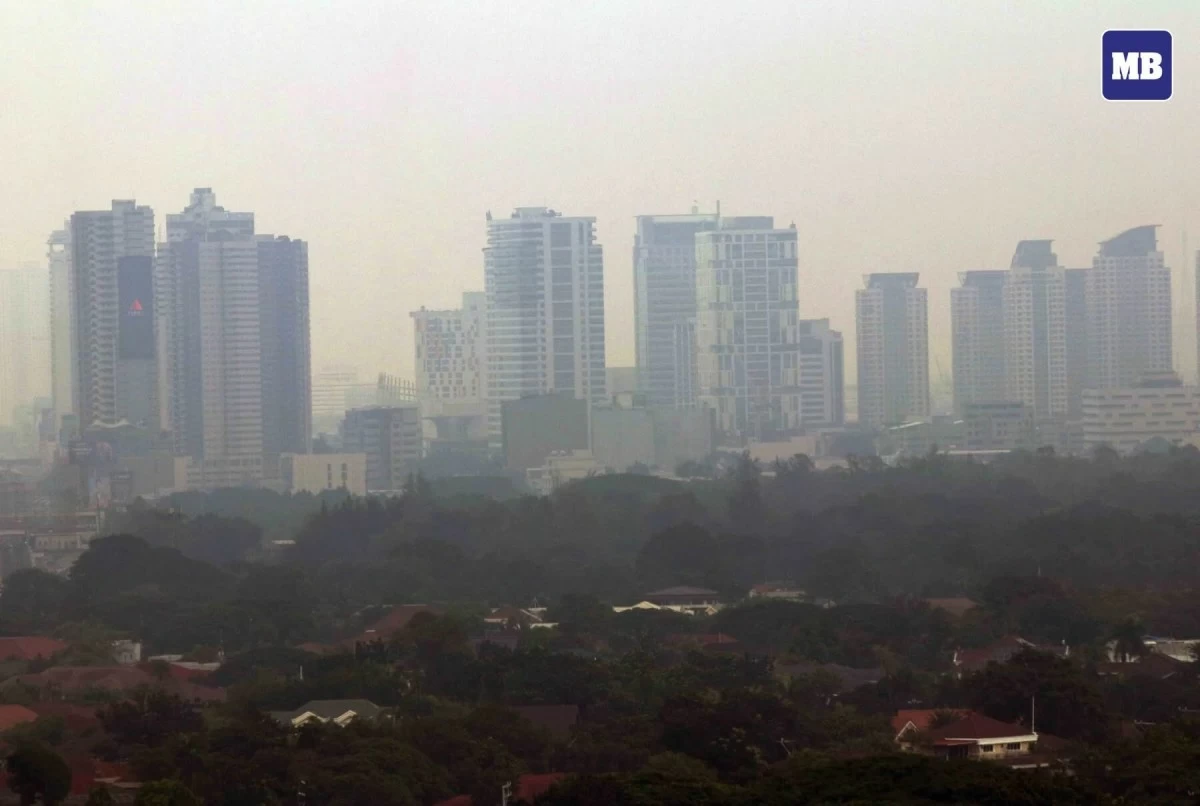
(MB FILE PHOTO)
(MB FILE PHOTO)
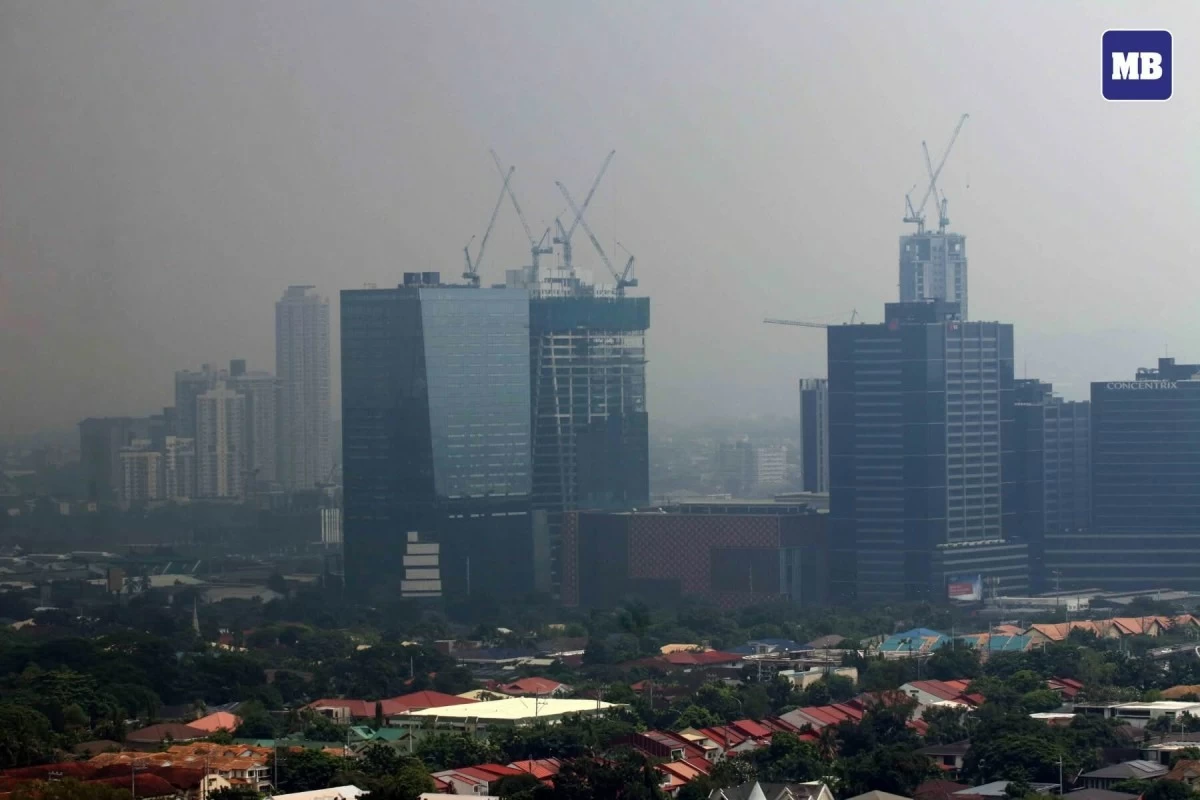
Haze linked to forest fires in Kalimantan, Indonesia, may continue affecting parts of the Philippines through Thursday, Sept. 3, but widespread rainfall and shifting wind patterns could gradually improve air quality from Sept. 4 to 6, the Department of Environment and Natural Resources-Environmental Management Bureau (DENR-EMB) said on Tuesday, Sept. 1.
Engineer Jundy Del Socorro, the chief of the Environmental Quality Management Division of the DENR-EMB Central Office, said smoke from the active fires continues to be transported toward the country by the southwest monsoon, or “habagat.”
“From September 1 to September 3, haze may continue to affect parts of the Philippines because smoke from Kalimantan is still being transported by the prevailing southwest monsoon (Habagat) while fires remain active,” he said in a statement.
“However, periods of rain can help reduce pollution levels by washing smoke particles and fine particulate matter (PM2.5) out of the atmosphere,” he added.
Per Del Socorro, air quality could begin improving between Sept. 4 and 6 if rainfall remains widespread and wind patterns shift.
“Rain is one of the most effective natural mechanisms for removing suspended particles from the air, which can lead to better visibility and lower haze concentrations,” he said.
Del Socorro, however, stressed that there is no official forecast yet on when or to what extent air quality would improve.
“Nonetheless, there is currently no official forecast confirming the extent or timing of such improvement,” he said.
The DENR-EMB official explained that the haze situation depends largely on factors outside the country, including the severity of the Kalimantan fires and regional weather conditions.
“At this point, the haze situation is largely beyond our control because it depends on several factors outside the Philippines, including the intensity of the forest fires in Kalimantan, prevailing wind patterns, and rainfall across the region,” Del Socorro said.
(MB FILE PHOTO)
(MB FILE PHOTO)
He noted that conditions beyond Sept. 6 would depend on whether the fires continue producing smoke, new hotspots emerge, and winds continue carrying smoke toward the Philippines.
“If fire activity remains high and transport winds persist, haze episodes could continue despite periodic improvements,” he said.
Del Socorro said a rain-bearing “habagat” would generally help suppress the haze and lower the concentration of smoke particles in the atmosphere.
“In general, a wet Habagat is beneficial for air quality. As long as the monsoon continues to bring moisture and rainfall, it helps suppress haze by removing suspended particulate matter from the atmosphere and reducing the concentration of smoke particles in the air,” he said.
He added that sustained rainy conditions would favor a gradual reduction in haze, while a drier monsoon pattern could allow the smoke to travel farther and remain in the atmosphere longer.
Earlier, DENR-EMB data showed that 11 of 15 monitoring stations in Metro Manila recorded “acutely unhealthy” air quality based on PM2.5 readings on Tuesday morning.
As of 7 a.m. Tuesday, the Don Bosco monitoring station in Parañaque registered an air quality index of 300, the highest among the listed stations and one point below the “emergency” range of 301 to 500.

Related Tags

DENR DENR-EMB haze air quality Kalimantan forest fires southwest monsoon PM2.5
ADVERTISEMENT
.most-popular .layout-ratio{ padding-bottom: 79.13%; } @media (min-width: 768px) and (max-width: 1024px) { .widget-title { font-size: 15px !important; } }

{{ articles_filter_1561_widget.title }}

.most-popular .layout-ratio{ padding-bottom: 79.13%; } @media (min-width: 768px) and (max-width: 1024px) { .widget-title { font-size: 15px !important; } }

{{ static_articles_1562_widget.title }}

.most-popular .layout-ratio{ padding-bottom: 79.13%; } @media (min-width: 768px) and (max-width: 1024px) { .widget-title { font-size: 15px !important; } }

{{ articles_filter_1563_widget.title }}

{{ articles_filter_1564_widget.title }}

.mb-article-details { position: relative; } .mb-article-details .article-body-preview, .mb-article-details .article-body-summary{ font-size: 17px; line-height: 30px; font-family: "Libre Caslon Text", serif; color: #000; } .mb-article-details .article-body-preview iframe , .mb-article-details .article-body-summary iframe{ width: 100%; margin: auto; } .read-more-background { background: linear-gradient(180deg, color(display-p3 1.000 1.000 1.000 / 0) 13.75%, color(display-p3 1.000 1.000 1.000 / 0.8) 30.79%, color(display-p3 1.000 1.000 1.000) 72.5%); position: absolute; height: 200px; width: 100%; bottom: 0; display: flex; justify-content: center; align-items: center; padding: 0; } .read-more-background a{ color: #000; } .read-more-btn { padding: 17px 45px; font-family: Inter; font-weight: 700; font-size: 18px; line-height: 16px; text-align: center; vertical-align: middle; border: 1px solid black; background-color: white; } .hidden { display: none; }
function initializeAllSwipers() { // Get all hidden inputs with cms_article_id document.querySelectorAll('[id^="cms_article_id_"]').forEach(function (input) { const cmsArticleId = input.value; const articleSelector = '#article-' + cmsArticleId + ' .body_images'; const swiperElement = document.querySelector(articleSelector); if (swiperElement && !swiperElement.classList.contains('swiper-initialized')) { new Swiper(articleSelector, { loop: true, pagination: false, navigation: { nextEl: '#article-' + cmsArticleId + ' .swiper-button-next', prevEl: '#article-' + cmsArticleId + ' .swiper-button-prev', }, }); } }); } setTimeout(initializeAllSwipers, 3000); const intersectionObserver = new IntersectionObserver( (entries) => { entries.forEach((entry) => { if (entry.isIntersecting) { const newUrl = entry.target.getAttribute("data-url"); if (newUrl) { history.pushState(null, null, newUrl); let article = entry.target; // Extract metadata const author = article.querySelector('.author-section').textContent.replace('By', '').trim(); const section = article.querySelector('.section-info ').textContent.replace(' ', ' '); const title = article.querySelector('.article-title h1').textContent; // Parse URL for Chartbeat path format const parsedUrl = new URL(newUrl, window.location.origin); const cleanUrl = parsedUrl.host + parsedUrl.pathname; // Update Chartbeat configuration if (typeof window._sf_async_config !== 'undefined') { window._sf_async_config.path = cleanUrl; window._sf_async_config.sections = section; window._sf_async_config.authors = author; } // Track virtual page view with Chartbeat if (typeof pSUPERFLY !== 'undefined' && typeof pSUPERFLY.virtualPage === 'function') { try { pSUPERFLY.virtualPage({ path: cleanUrl, title: title, sections: section, authors: author }); } catch (error) { console.error('ping error', error); } } // Optional: Update document title if (title && title !== document.title) { document.title = title; } } } }); }, { threshold: 0.1 } ); function showArticleBody(button) { const article = button.closest("article"); const summary = article.querySelector(".article-body-summary"); const body = article.querySelector(".article-body-preview"); const readMoreSection = article.querySelector(".read-more-background"); // Hide summary and read-more section summary.style.display = "none"; readMoreSection.style.display = "none"; // Show the full article body body.classList.remove("hidden"); } document.addEventListener("DOMContentLoaded", () => { let loadCount = 0; // Track how many times articles are loaded const offset = [1, 2, 3, 4, 5, 6, 7, 8, 9, 10]; // Offset values const currentUrl = window.location.pathname.substring(1); let isLoading = false; // Prevent multiple calls if (!currentUrl) { console.log("Current URL is invalid."); return; } const sentinel = document.getElementById("load-more-sentinel"); if (!sentinel) { console.log("Sentinel element not found."); return; } function isSentinelVisible() { const rect = sentinel.getBoundingClientRect(); return ( rect.top < window.innerHeight && rect.bottom >= 0 ); } function onScroll() { if (isLoading) return; if (isSentinelVisible()) { if (loadCount >= offset.length) { console.log("Maximum load attempts reached."); window.removeEventListener("scroll", onScroll); return; } isLoading = true; const currentOffset = offset[loadCount]; window.loadMoreItems().then(() => { let article = document.querySelector('#widget_1690 > div:nth-last-of-type(2) article'); intersectionObserver.observe(article) loadCount++; }).catch(error => { console.error("Error loading more items:", error); }).finally(() => { isLoading = false; }); } } window.addEventListener("scroll", onScroll); });

Sign up by email to receive news.