






Manila Bulletin
 Lifestyle
Fashion and Beauty
Edited Limited gives old garments a fresh look while creating livelihoods for Filipino artisans
Lifestyle
Fashion and Beauty
Edited Limited gives old garments a fresh look while creating livelihoods for Filipino artisans
Lifestyle
Fashion and Beauty
Edited Limited gives old garments a fresh look while creating livelihoods for Filipino artisans
Edited Limited gives old garments a fresh look while creating livelihoods for Filipino artisans
The art of editing clothes into something new
Published Sep 1, 2026 11:14 am


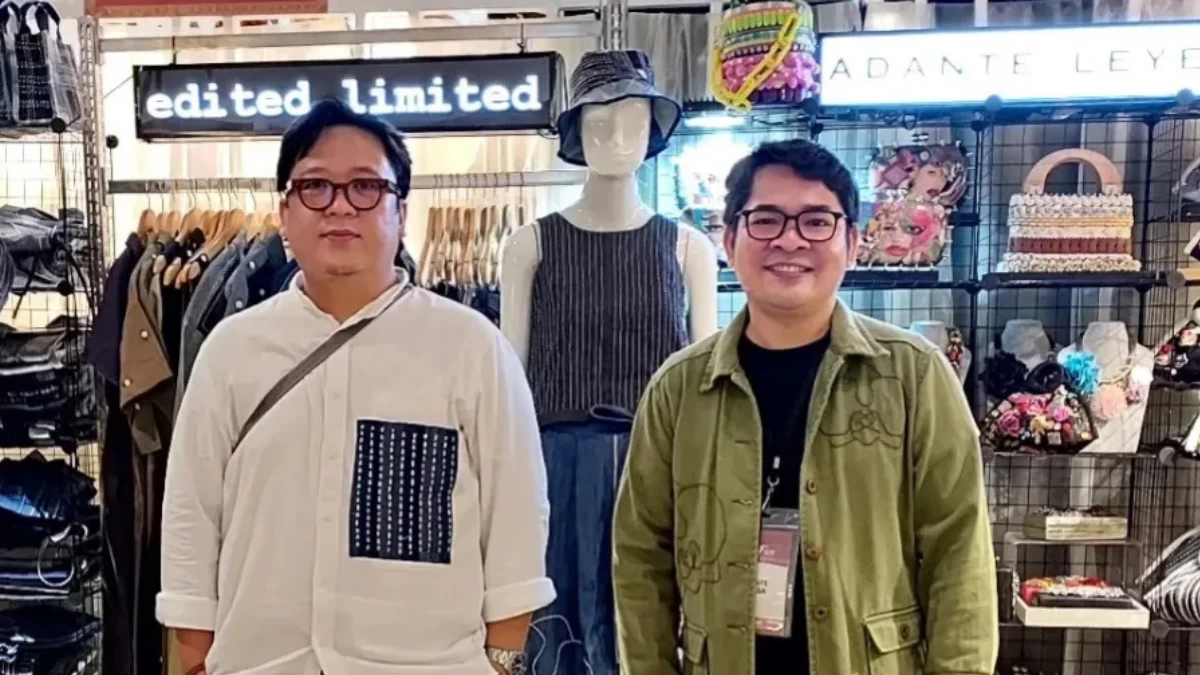
Couple Leo Borromeo and Adante Layesa (Photo: Edited Limited)
With the fashion industry generating significant waste and consumers becoming more conscious of what they wear, sustainability is shifting from a trend into a lifestyle. But for Filipino fashion brand Edited Limited, sustainable fashion is not simply about choosing better materials. It is about giving discarded clothes another chance, creating livelihoods, and proving that responsible fashion can still make a statement.
Founded by couple Leo Borromeo and Adante Layesa in 2022, Edited Limited was born during the pandemic. As the couple sorted through their own closets, they discovered piles of clothes that were no longer being worn. Instead of throwing them away, they saw an opportunity to transform them. So, they started experimenting with what they already had.
For Leo, the decision to build Edited Limited also meant stepping outside of his comfort zone. An accountant by profession, he had no formal training in fashion design and had previously lacked the confidence to launch a clothing line despite friends encouraging him to do so.
“I’m an accountant,” he tells Manila Bulletin Lifestyle. “I thought I couldn’t do it.”
The design philosophy
But the pandemic left little room for hesitation. That leap eventually became Edited Limited, a name that reflects the brand’s philosophy. Inspired by the idea of editing articles, the founders took the same principle and applied it to clothing: start with something existing, refine it, and give it a new life.
Leo had already been doing this with his own clothes. Even before Edited Limited, he would modify pieces he bought, changing details such as pockets when he felt they were too plain.
“Let’s call it Edited,” they recalled of the naming process. “We’re making the clothes new again. So, we’ll have to edit it.”
The “Limited” part is equally intentional. Since many pieces begin with a single existing garment or limited fabric, recreating the exact same design is often impossible.
“It’s limited, because it's one of a kind,” the founders explained. “If you have a single pair of pants, edit it, and that’s it. It’s only one.”
What began as simple alterations has since evolved into a more intricate reconstruction process. Old garments are dismantled and returned to flat sheets before being patched together into new silhouettes. The brand also uses scraps from factories and vintage fabrics sourced from Japan and Bangkok, combining them with local materials.
At the heart of its design is what the founders call a “quiet Filipino” identity. Rather than reproducing traditional Filipino clothing literally, Edited Limited takes fragments of heritage, such as embroidery and other techniques, and translates them into contemporary silhouettes.
“Edited is Filipino but a silent Filipino identity,” Leo said.
That philosophy allows the pieces to feel distinctly Filipino without being restricted to familiar traditional forms. It has also begun attracting international attention. One of the brand’s denim barong looks from New York Fashion Week was picked up by WGSN, an international consumer and trend forecasting company and included in its trend coverage.
“We’re very happy. It’s one of our achievements,” the founders say.
Beyond the fabric
Behind the clothes is a growing network of Filipino makers. Edited Limited currently works with approximately 40 self-taught artisans from Lipa, alongside embroiderers from Lumban and Batangas City, senior citizen sewers in Pasig, in-house makers, and artisans from Cebu.
The founders see this network as an essential part of Edited Limited’s identity as a social enterprise. Their goal is to create sustainable livelihoods while giving unwanted garments another purpose.
For them, a successful fashion business should provide jobs, fair opportunities, and products with meaning, not just to earn.
“It’s not just about nice clothes, it’s clothes with stories,” Adante says.
Local pop-ups have helped bring that story to a wider audience. Edited Limited currently participates in platforms including Katutubo and ArteFino, which have provided exposure and opportunities to connect with consumers who appreciate Filipino craftsmanship. The founders describe these platforms as more than retail spaces. They challenge the brand to return with better collections while introducing it to new audiences.
What’s next
The brand, however, is not rushing its expansion. Edited Limited follows a genuinely slow-fashion model, with a garment taking about a week to complete. Even with around 40 makers, production remains its biggest challenge.
For now, the founders are focused on strengthening their production and growing organically. Beyond the local scene, however, they have a bigger ambition: to bring Edited Limited to the global fashion stage. They hope to collaborate with international brands and eventually showcase the label abroad, carrying a Filipino identity that does not have to announce itself loudly.
The goal is simple: to make something contemporary, well-made, sustainable, and unmistakably rooted in where it came from.