






Manila Bulletin
 Business
Trade & Industry
DOF risks ₱10-billion revenue loss from proposed power tax exemption
Business
Trade & Industry
DOF risks ₱10-billion revenue loss from proposed power tax exemption
Business
Trade & Industry
DOF risks ₱10-billion revenue loss from proposed power tax exemption
DOF risks ₱10-billion revenue loss from proposed power tax exemption
Published Sep 1, 2026 01:40 pm


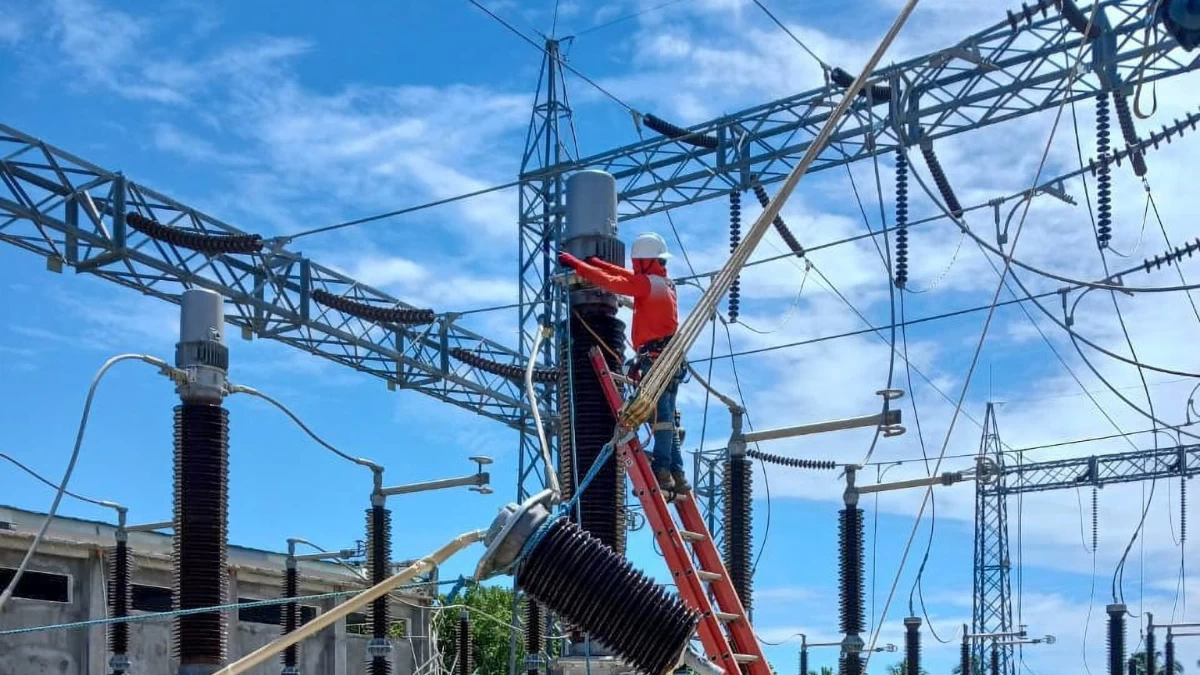
The government stands to lose about ₱10 billion annually in revenue if power regulators push through with their proposal to remove value-added tax (VAT) on electricity system loss charges, according to estimates from the Department of Finance (DOF).
Finance Secretary Frederick Go told reporters that while excluding system loss charges from the 12 percent VAT on power bills would yield savings for households, it would simultaneously cost the state that same ₱10 billion each year in forgone collections.
System loss refers to electricity that is generated and purchased but lost in distribution before reaching end-users. These losses stem from technical inefficiencies in conductors and transformers, as well as non-technical factors such as electricity theft, illegal connections, and meter tampering.
Under existing regulations, consumers absorb system loss costs up to specific government-mandated caps, while distribution companies are required to absorb any excess.
The Department of Energy (DOE) sets recovery caps on system losses at 6.5 percent for private distribution utilities, 8.5 percent for on-grid electric cooperatives, and above 10 percent for off-grid power providers.
The proposed tax exemption forms part of broader efforts by the Energy Regulatory Commission (ERC) to ease power cost pressures on consumers.
Under the draft policy, system loss fees would be excluded from gross sales subject to the 12 percent VAT under the National Internal Revenue Code of 1997.
ERC Chairperson Francis Saturnino Juan noted that system loss charges represent pass-through costs mandated by regulation and should therefore not be treated as taxable sales.
The ERC is awaiting confirmation from the Bureau of Internal Revenue before the policy takes effect. Once approved, power distribution utilities will have 60 days to update their billing structures.
In tandem with the tax proposal, the DOE plans to phase out non-technical loss charges through a ₱7.5 billion initiative spanning one year.
The program covers stepped-up anti-pilferage enforcement, consumer education drives, upgraded meter management, database cleansing, institutional reforms, and regulatory adjustments aimed at improving overall billing and collection efficiency across the country.