






Manila Bulletin
 Philippines
National
11 NCR stations record 'acutely unhealthy' air amid haze possibly linked to Indonesia fires
Philippines
National
11 NCR stations record 'acutely unhealthy' air amid haze possibly linked to Indonesia fires
Philippines
National
11 NCR stations record 'acutely unhealthy' air amid haze possibly linked to Indonesia fires
11 NCR stations record 'acutely unhealthy' air amid haze possibly linked to Indonesia fires
Public advised to wear masks amid haze
By Jel Santos
Published Sep 1, 2026 08:28 am


(MB FILE PHOTO)
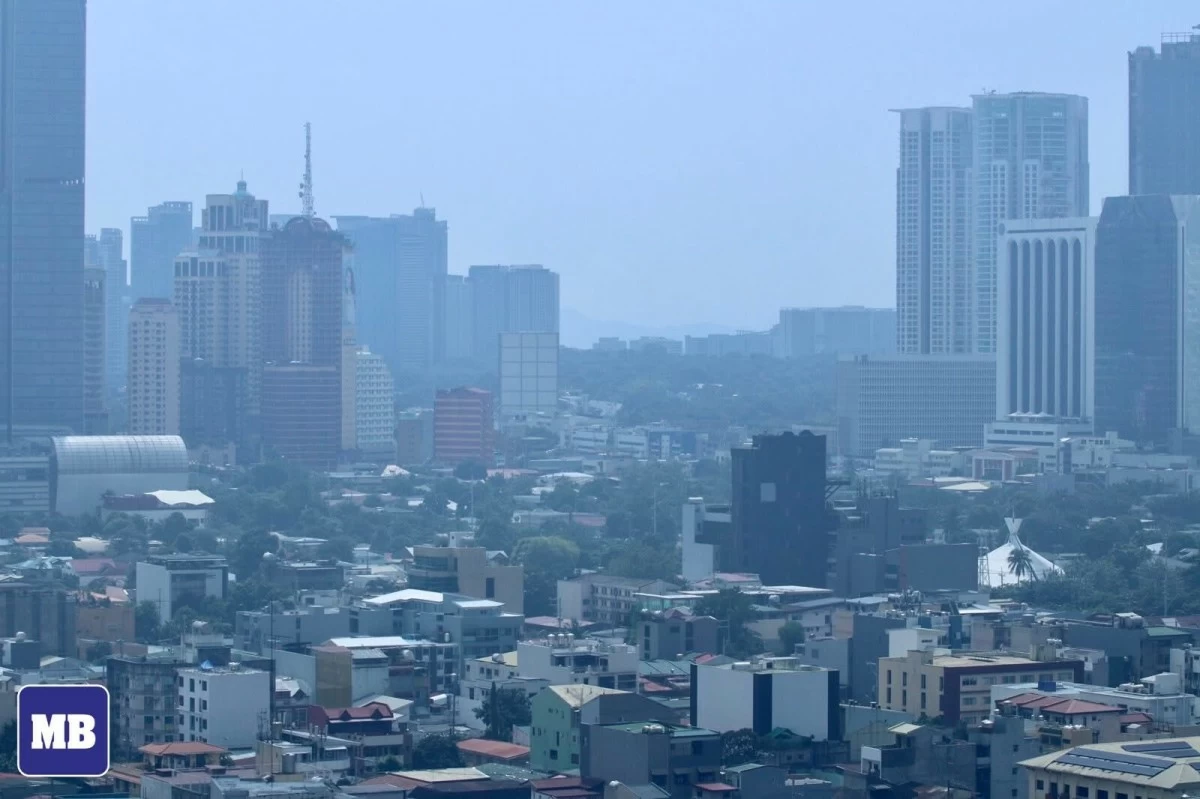
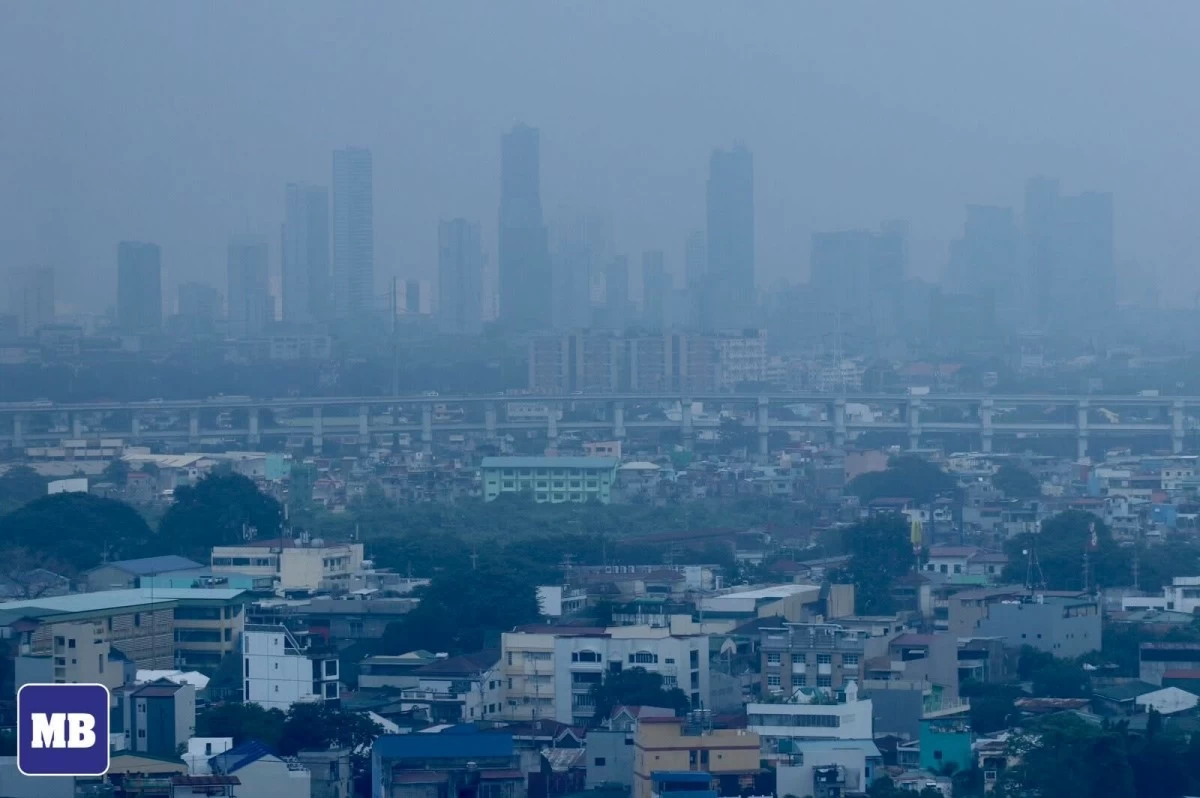
Eleven of 15 monitoring stations in the National Capital Region (NCR) recorded “acutely unhealthy” air quality based on fine particulate matter (PM2.5) readings on Tuesday morning, Sept. 1, amid haze that the Department of Environment and Natural Resources-Environmental Management Bureau (DENR-EMB) said was “possibly associated with smoke and transboundary haze from ongoing fires in Kalimantan, Indonesia.”
PM2.5 refers to fine pollutants small enough to penetrate deep into the lungs.
In an advisory, the bureau said prevailing winds may have transported the haze toward the Philippines.
The DENR-EMB said it is closely monitoring the air quality situation, particularly in the National Capital Region, Calabarzon, and Mimaropa.
Data from DENR as of 7 a.m. showed that the Don Bosco monitoring station in Parañaque registered an air quality index (AQI) of 300, the highest among the 15 stations listed on the bureau’s dashboard.
The reading was one point below the “emergency” range of 301 to 500. Under the EMB-NCR scale, AQI readings from 201 to 300 are classified as “acutely unhealthy.”
(MB FILE PHOTO)
Other stations with acutely unhealthy air quality were Quezon City (Ateneo), 242; Las Piñas, 240; Manila, 233; Malabon, 230; Taguig (TUP), 226; Valenzuela, 224; Marikina (Parang) and Muntinlupa (Filinvest City), both 219; San Juan, 214; and Mandaluyong, 209.
Meanwhile, Pateros recorded an AQI of 177, followed by Navotas at 155 and Makati at 151. All three readings were classified as “very unhealthy.”
The SMPH Commonwealth station in Quezon City posted the lowest reading at 140, which was classified as “unhealthy for sensitive groups.”
Amid the haze, the DENR-EMB advised the public to reduce their time outdoors.
“Minimize prolonged outdoor activities, particularly in areas visibly affected by haze,” it said.
“Persons who are sensitive to air pollution, including children, older persons, and individuals with respiratory or cardiovascular conditions, are advised to limit outdoor exposure and take necessary precautions,” it added.
As such, DENR-EMB advised people going outdoors in areas with noticeable haze to wear a well-fitting mask, preferably an N95 or its equivalent.
“The DENR-EMB is continuously monitoring air quality levels through its network of air quality monitoring stations to assess the extent and potential impacts of the haze,” it said.