






Manila Bulletin
 Business
Trade & Industry
Going nuts over coco: Discover the Filipino brands reinventing the humble coconut
Business
Trade & Industry
Going nuts over coco: Discover the Filipino brands reinventing the humble coconut
Business
Trade & Industry
Going nuts over coco: Discover the Filipino brands reinventing the humble coconut
Going nuts over coco: Discover the Filipino brands reinventing the humble coconut
By MBrand
Published Aug 30, 2026 08:00 am
|
Updated Aug 29, 2026 04:35 pm


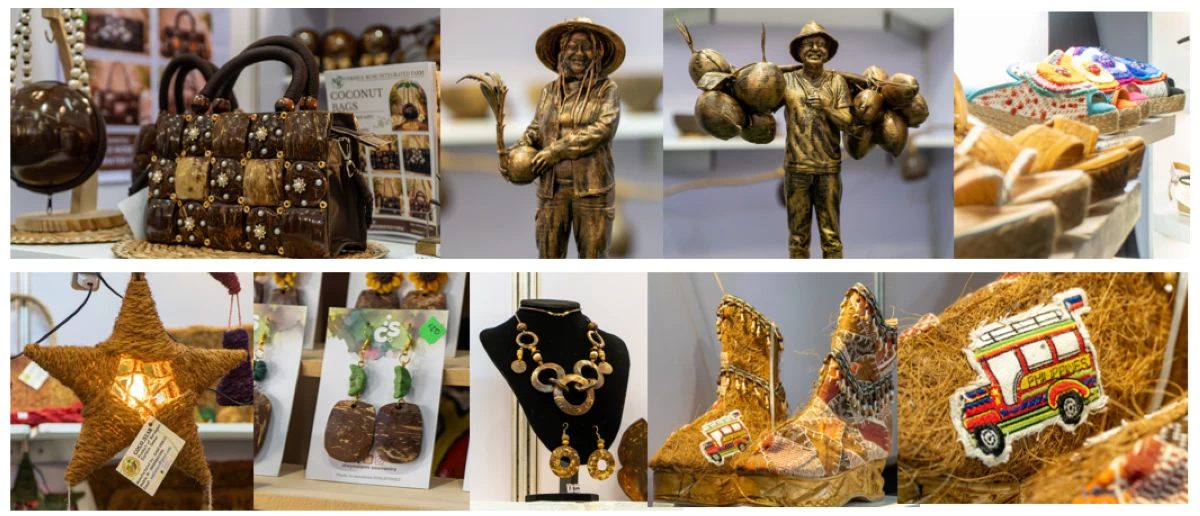
More than just a fruit, the coconut is deeply woven into the fabric of daily Filipino life. Long revered as the country’s “Tree of Life,” its bark, trunk, leaves, and roots flavor local cuisine, supply materials for artisanal crafts, and stand today as crucial building blocks in our push toward sustainability and economic growth.
In the Philippines, there is no such thing as “too much” coconut, as local entrepreneurs and creators continue to push the boundaries of what this tree can offer. Reaching beyond food and beverage into beauty, wellness, home essentials, and other sustainable materials, the coconut evolution is proudly showcased at the COCONUTPhilippines Trade Fair 2026.
Convened at the SMX Convention Center in Pasay City, the COCONUTPhilippines Trade Fair 2026, running from Aug. 26 to 30, is the country’s biggest fair yet of the coconut’s modern potential. Featuring over 300 MSMEs, the trade fair was organized by the DTI's Bureau of Market Development, Promotions, and OTOP (DTI-BMDPO), in partnership with the Philippine Coconut Authority (PCA), to empower local enterprises and expand their market reach.
Redefining the Filipino pantry
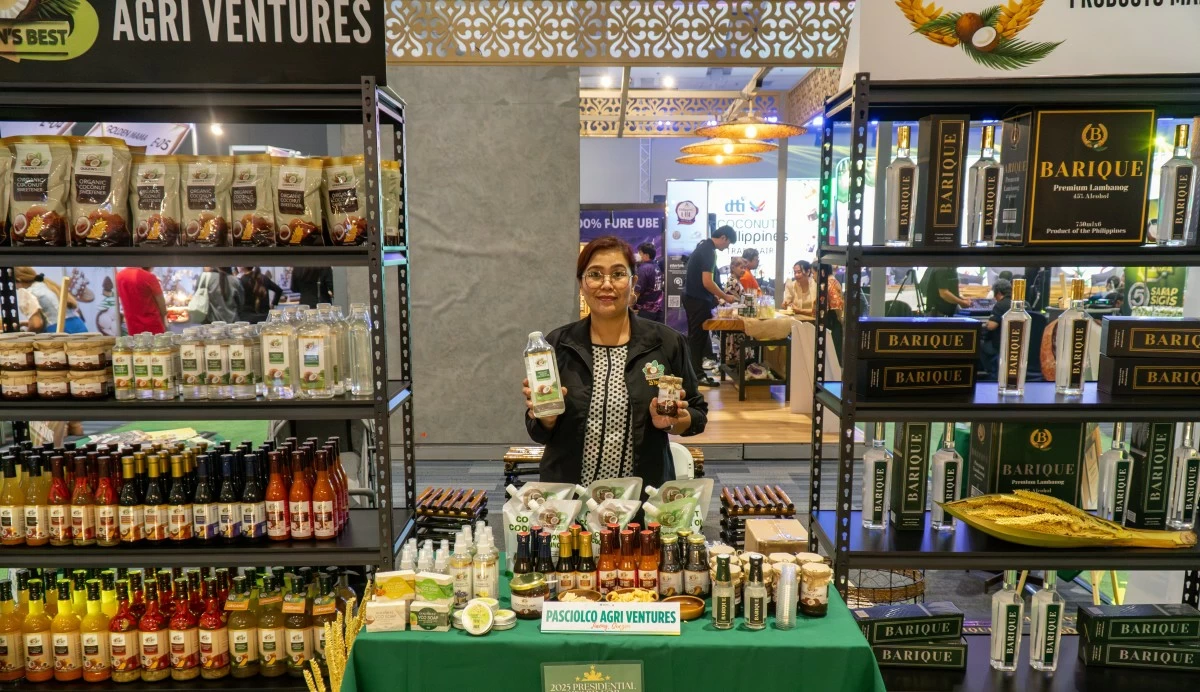
The SMX Convention Center halls overflowed with unexpected coconut food innovations. While Filipinos have long loved coconut in everything from savory dishes to desserts, it is now making its way onto dining tables as a daily condiment and essential staple.
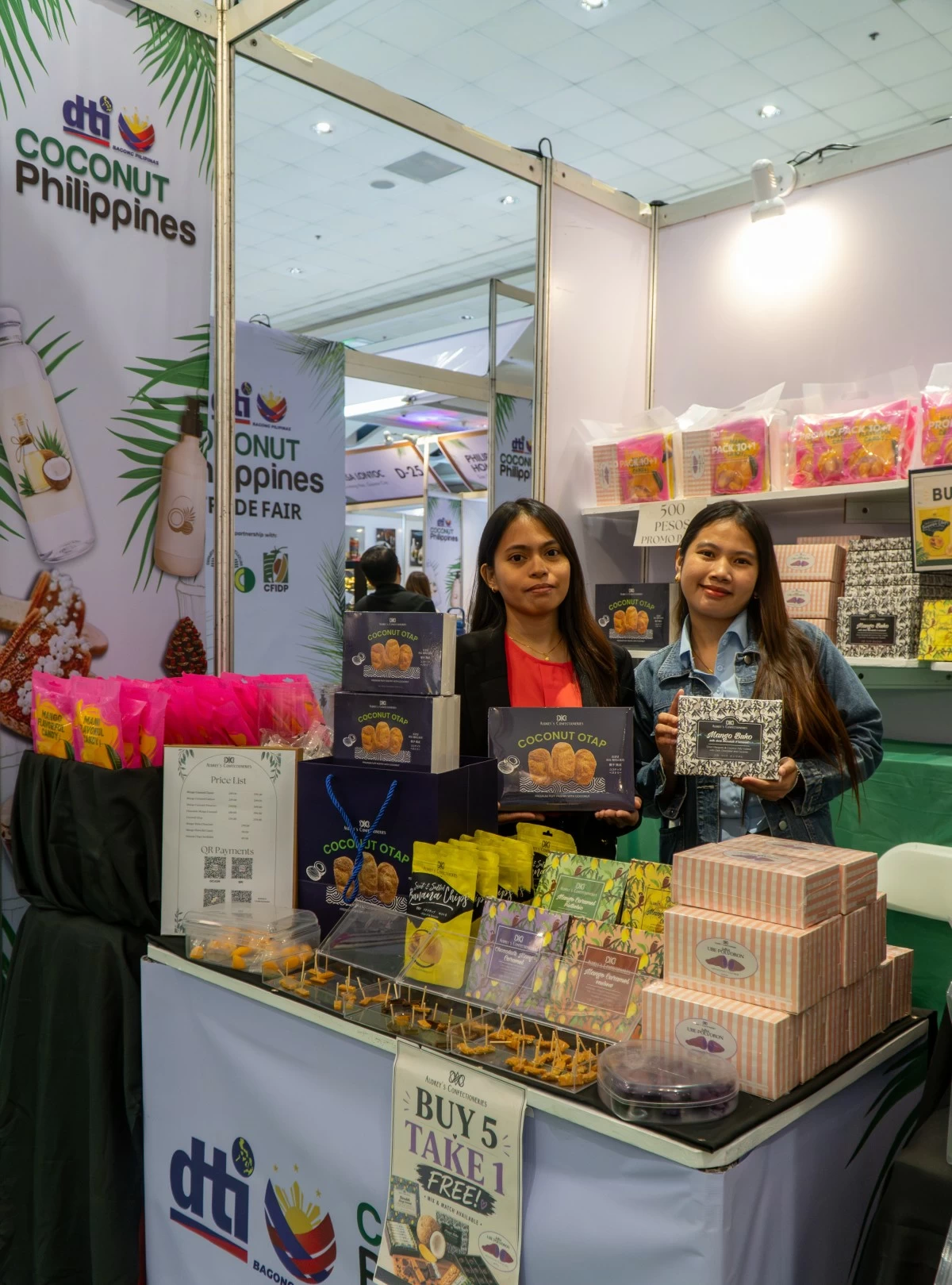
While coconut vinegar has been around for a while, coconut-based soy sauce and seasonings have featured prominently as amino acid-rich, slightly sweet alternatives to traditional soy sauce. Quezon Province’s Yakap at Halik (YK) Multi-Purpose Cooperative showcased coconut catsup. A blend of coconut milk, water, and vinegar with a milder flavor, perfect for fried and grilled dishes. Marketing staff Teodora O. Glorioso noted DTI’s help in securing certifications to overcome nationwide expansion hurdles.
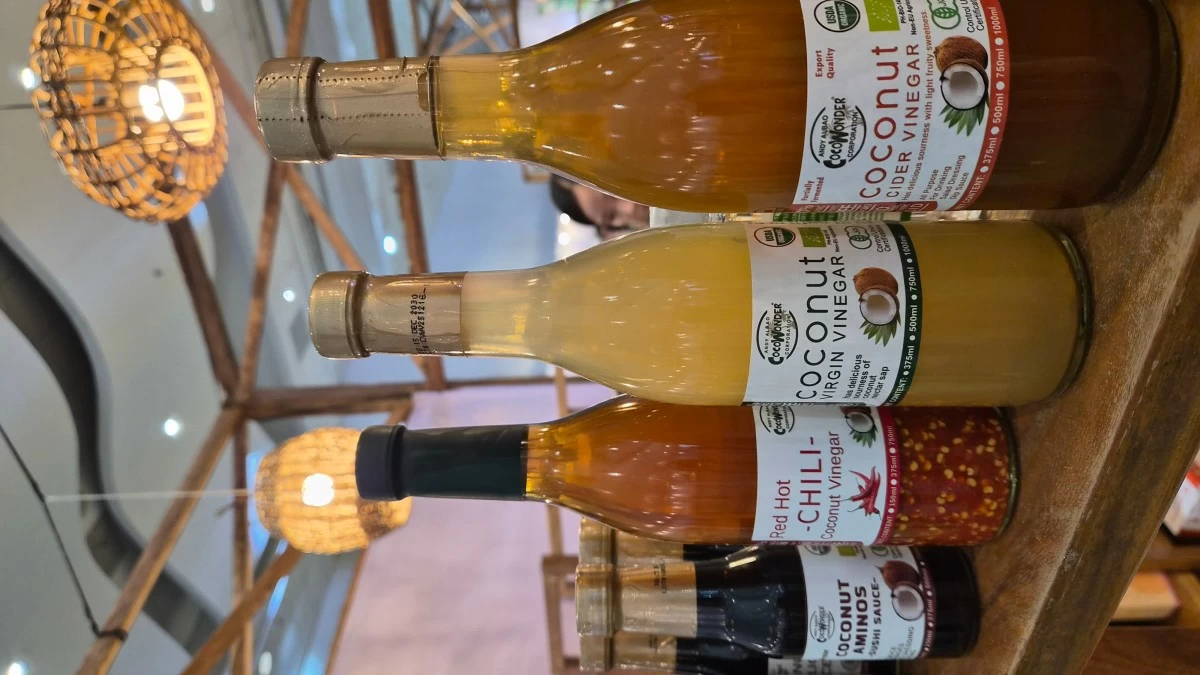
Coming in hot, MSMEs introduced coconut hot sauces: Hot Heads featured a rich coconut cream sauce infused with habanero, while Quezon’s Best offered a fiery blend from premium chilis.

Finally, The Power of Slow introduced a fresh twist on coconut beverages with a sap-based energy drink. Supporting farmers and wellness, the brand is established overseas, but head of customer development RJ Samson highlighted local adoption challenges, which DTI is actively addressing through trade fairs and mall pop-ups.
Sustainable fashion
Beyond the kitchen, coconut is also making its mark in Filipino fashion. From Zamboanga, Agricooltourist De La Paz (AGL Collection) turns coconut fibers and husks into sturdy yet stylish handbags, an initiative born from the desire to support local farmers, many of whom are also the backbone of their production.
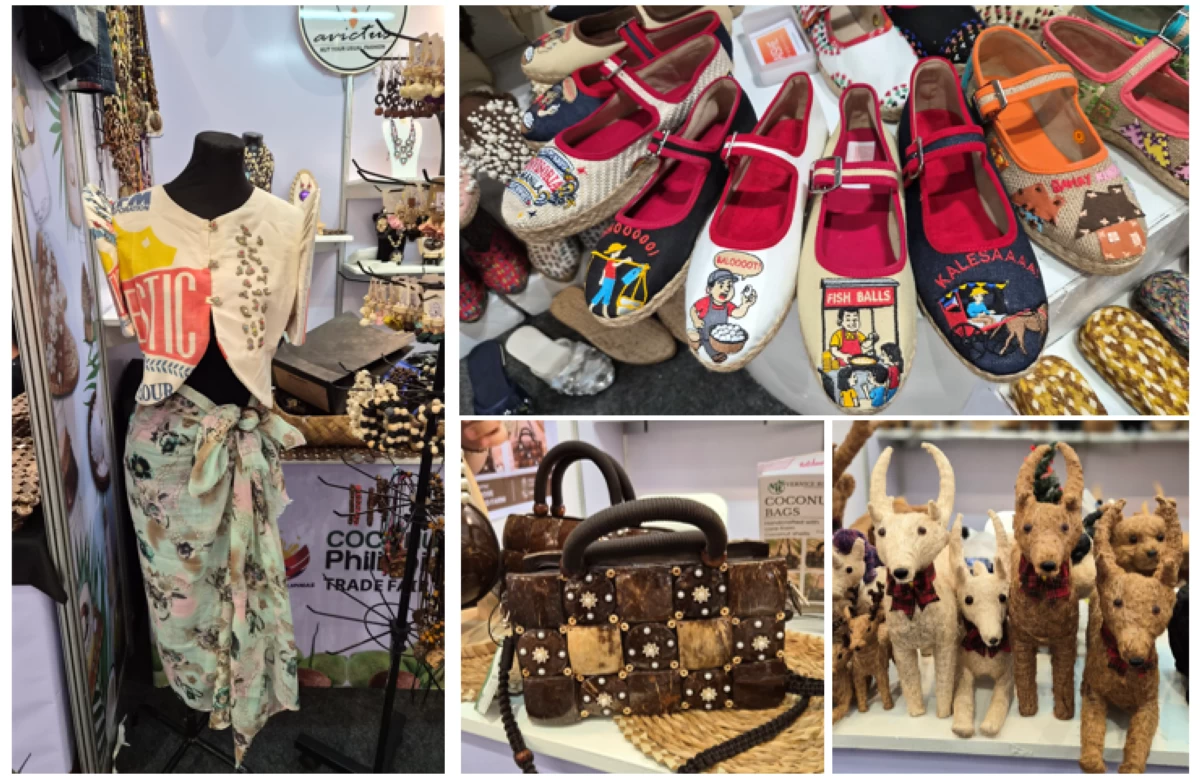
The brand also showcased prototype lamps crafted from the same materials, effectively upcycling agricultural waste from the coconut fruit into functional home décor.
But turning farmers into artisans came with its own hurdles. With limited exposure to the market, the team leaned heavily on DTI for guidance, from labeling and branding to training and seminars covering both handicraft techniques and financial literacy.
With that, Ronnel Barbon, marketing staff, says the brand's next goal is steady growth, securing consistent orders and continuing to refine its products for a wider, more discerning market.
Shells to clean energy
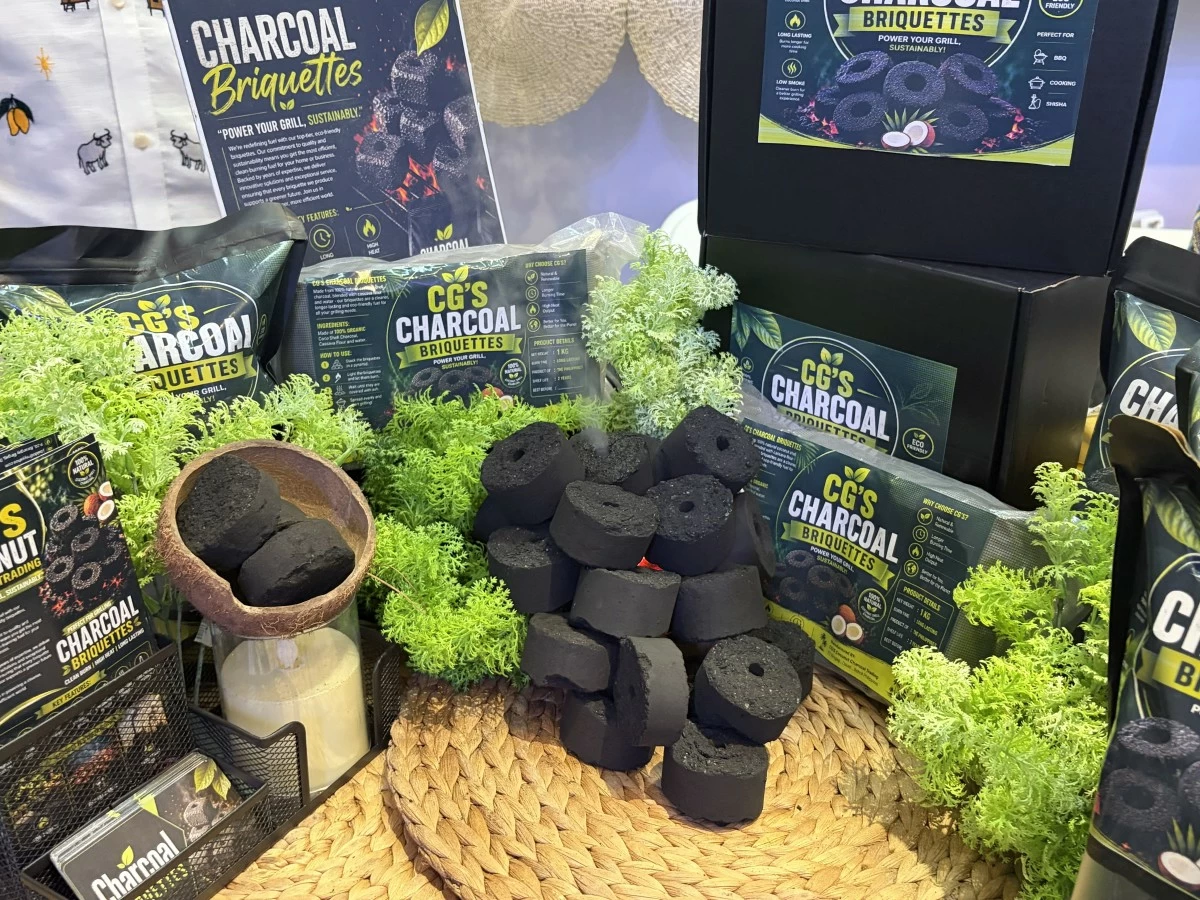
Redefining clean-burning fuel, CG’s Coconut Charcoal Trading of Bohol repurposes discarded coconut shells into charcoal briquettes.
John Mark Baldo, who manages the business operations, shared that the family business stemmed from an unusual romance between his grandparents. What started decades ago as a grandfather's gesture to win over his bride has now grown into an enterprise that manufactures and exports coconut charcoal briquettes to Japan, China, and Malaysia.
As the brand prepares to expand its footprint to additional overseas markets, Baldo emphasized that DTI remains an essential partner in helping them navigate complex international trade regulations, join major trade expositions, and build lasting B2B networks with fellow MSMEs.
Local roots to global reach
Inside the fair, the potential of the coconut continued to unfold across aisle after aisle of organic skincare, personal care products, and eco-friendly home essentials. Yet behind every innovative item on display is a unified government effort to elevate local enterprises. Through joint initiatives, agencies like the DTI and the PCA work hand-in-hand to equip MSMEs with technical guidance, market readiness, and the tools needed to scale for international export.
Further, through SM for MSMEs, Filipino entrepreneurs gain opportunities to connect with customers, build networks, test their products in the market, and open new pathways for growth.
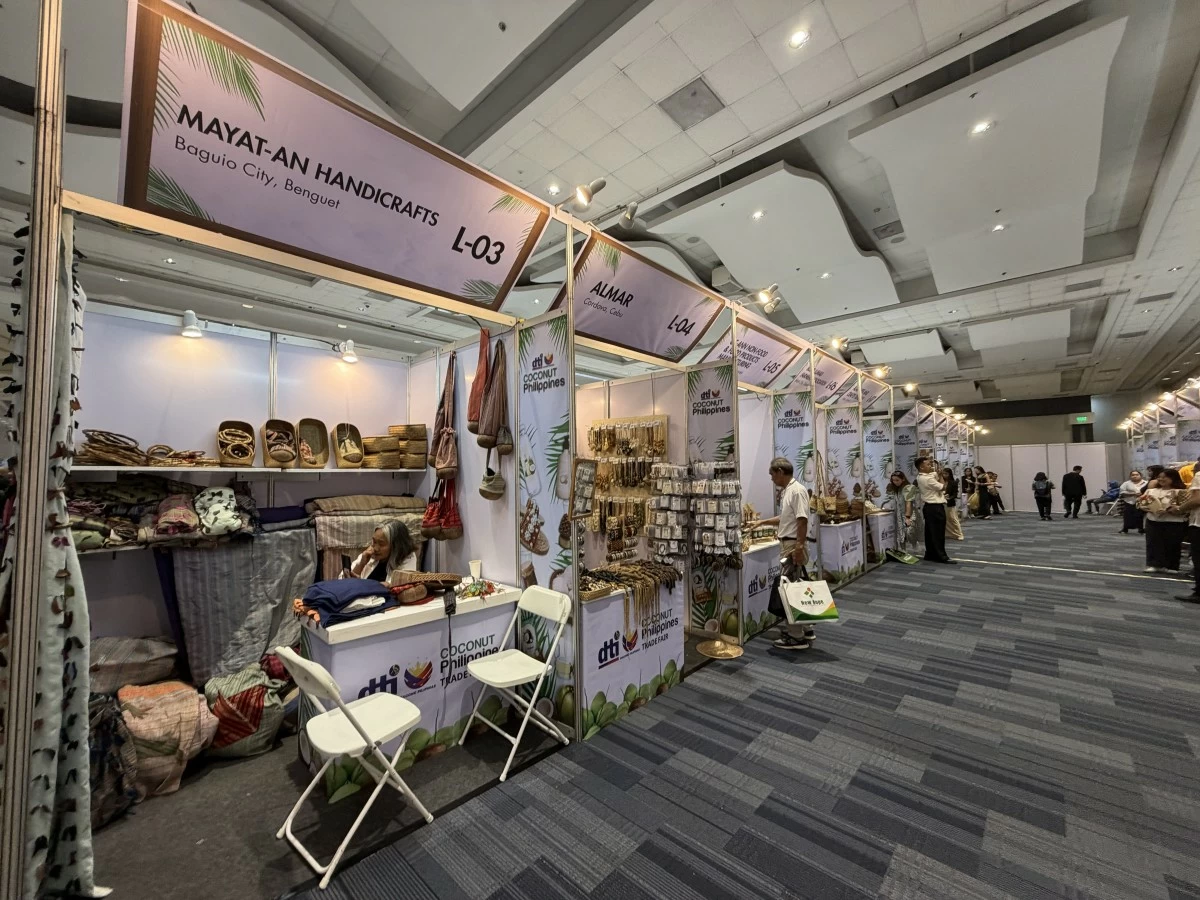
That local traction is already fueling a global impact. Driven in part by this rising wave of commercialized innovations, Philippine coconut exports surged by 34.4 percent in 2025 to reach $3.6 billion, accounting for a vital share of the country's $84.48 billion total export revenues.
With such momentum, the sector is positioned to shape not just the future of agriculture, but the trajectory of the national economy. The coconut remains a testament to Filipino resilience: a resource that sustains rural communities, powers international trade, and anchors a growing culture of innovation. In the Philippines, it seems, there is no limit to what the humble coconut and innovative Filipino minds can do.