






 Philippines
National
Ejercito: Senate finance panel to observe sub judice rule in tackling 2027 national budget
Philippines
National
Ejercito: Senate finance panel to observe sub judice rule in tackling 2027 national budget
Ejercito: Senate finance panel to observe sub judice rule in tackling 2027 national budget


At A Glance
- The Senate Finance Committee will not allow the upcoming hearings on the proposed P7.2-trillion national budget for 2027 as a venue to discuss the merits of Vice President Sara Duterte's impeachment trial.
- Sen. Joseph Victor "JV" Ejercito, chairman of the Senate finance panel, said the committee will observe the sub judice rule issued by Presiding Officer Francis "Chiz" Escudero and adopted by the Senate Impeachment Court.
The Senate Finance Committee will not allow the upcoming hearings on the proposed P7.2-trillion national budget for 2027 as a venue to discuss the merits of Vice President Sara Duterte’s impeachment trial.
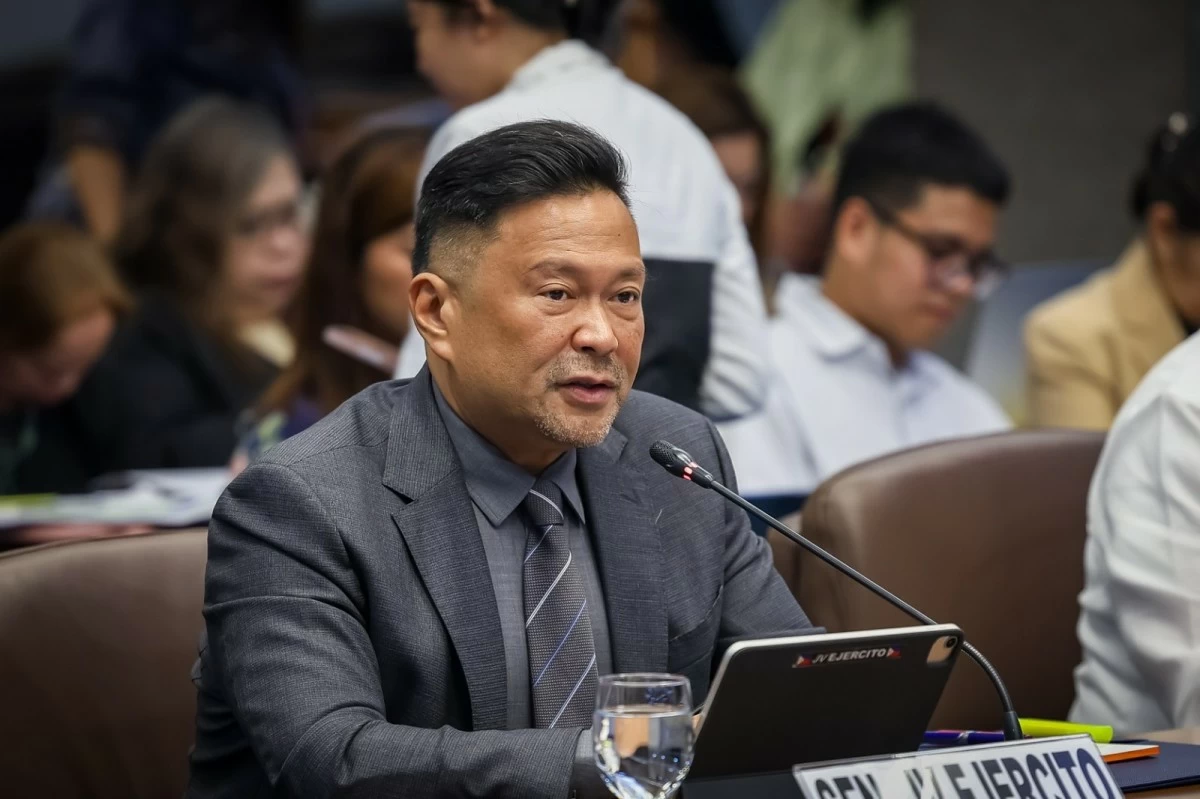
Sen. Joseph Victor “JV” Ejercito, chairman of the Senate finance panel, said the committee will observe the sub judice rule adopted by the Senate Impeachment Court, or Rule 18 of the Rules of Impeachment, which governs public statements concerning the merits of a pending impeachment case.
Based on the ruling of Sen. Francis “Chiz” Escudero, Presiding Officer of the Impeachment Court, those covered by the sub judice ruling includes Duterte, her lawyers in the defense team, members of the House prosecution panel, and senator-judges.
“The impeachment trial is ongoing so we need to respect the sub judice rule, especially with the recent ruling of the Presiding Officer of the Impeachment Court,” Ejercito said in an interview over Radio DZBB.
“We need to respect the sub judice rule. We will not use the budget hearings to discuss the factual issues and evidences that are part of the impeachment case. I’m sorry, but our Presiding Officer made a ruling recently and we have to respect that,” he reiterated.
Ejercito made this clarification when asked about the necessity of waiting for the Commission on Audit (COA) to release its final ruling on the allegation that Duterte has misused her confidential funds.
The COA has yet to issue a final decision on its findings on Duterte’s alleged misuse of the confidential funds of the Office of the Vice President (OVP) and the Department of Education (DepEd) which she previously headed.
But Ejercito said what he finds necessary for lawmakers to discuss in the upcoming budget deliberations is how to safeguard the use of confidential and intelligence funds (CIFs) moving forward.
“What’s important now, is not just to revisit the issues that happened in the past. But we also have to ask now, how do we safeguard the funds? How can we make sure that every confidential fund is properly authorized, properly used and properly accounted for?” he pointed out.
Under his watch, the Senate finance committee chief said he will make sure that only agencies whose mandate is law enforcement, intelligence and national security will be entitled to CIFs.
“In order to eliminate the controversy, as chairman of finance, this is what my policy will be: It (CIFs) will be limited to agencies with mandate or law enforcement, intelligence, and national security,” Ejercito said.
“While we respect the need for confidentiality where national security and legitimate operations are concerned, it is part of the duty of government to protect the public from any security risk,” he said.
Ejercito said he strongly believes public funds require accountability, and “it is part of our mandate in government to act as responsible stewards of tax revenue.”
“A confidential fund does not imply a lack of accountability. Just because a fund is classified as confidential does not mean it is exempt from accountability,” he pointed out.
“We must, therefore, strike a balance between the two—security and accountability, or the responsible use of these funds. We need to find that balance,” he stressed.