







The Coconut Palace: Ready to welcome the world
Diplomats share their thoughts on the restoration and reopening of "Tahanang Pilipino"
Published Aug 29, 2026 01:14 pm


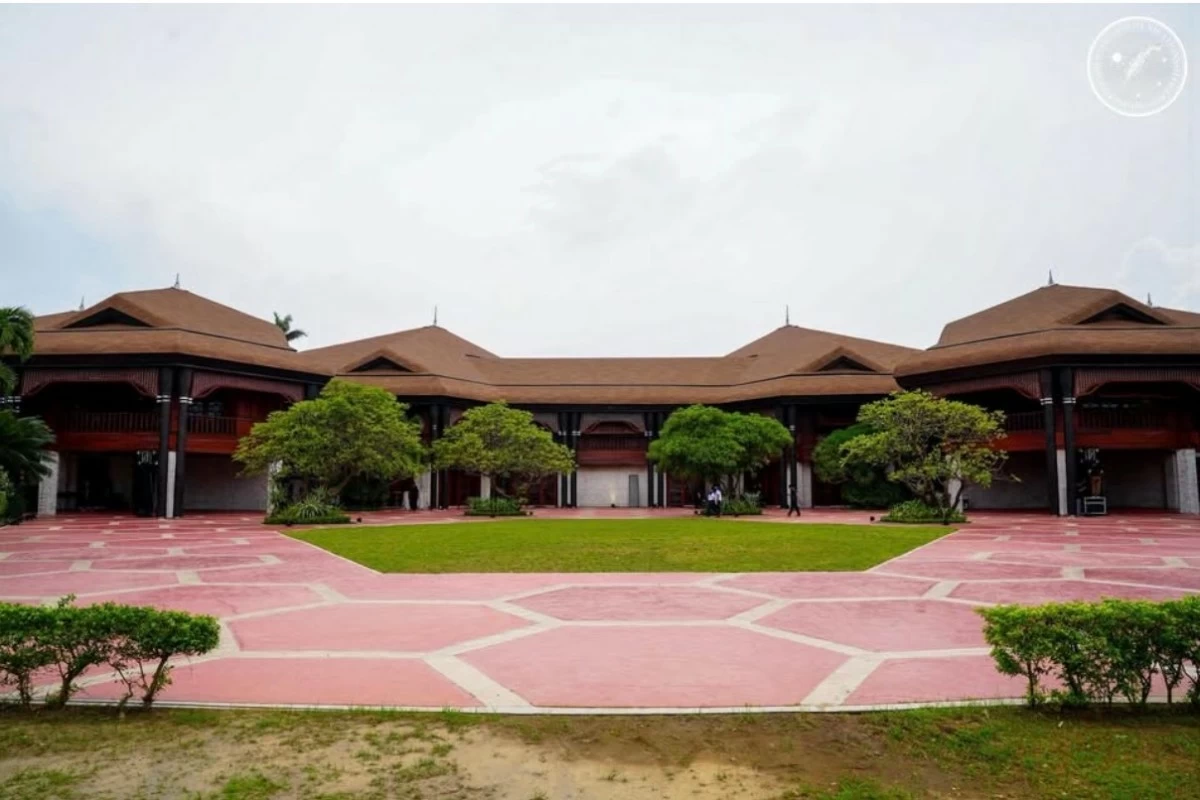
The Coconut Palace reopens following a six-month renovation, ahead of its role in welcoming ASEAN leaders during the 49th ASEAN Summit under the Philippines’ chairmanship. The iconic “Tahanang Pilipino” is also expected to open to the public after the country concludes its ASEAN chairmanship. (Photo: PCO)
There are buildings that preserve history, and there are those that were designed to tell a country’s story. The Coconut Palace has always belonged to the latter. Formally known as “Tahanang Pilipino,” it was conceived as a grand residence where visiting dignitaries could encounter the Philippines through its architecture, materials and craftsmanship. Designed by National Artist for Architecture Francisco “Bobby” Mañosa, it made an unapologetically Filipino argument: that local materials and craftsmanship could produce something worthy of receiving the world.
Nearly five decades later, that purpose feels remarkably current. President Ferdinand Marcos Jr. and First Lady Louise Araneta-Marcos led the ceremonial reopening of the restored Coconut Palace on Aug. 25, ahead of the 49th ASEAN Leaders’ Summit in November. The six-month restoration was spearheaded by the First Lady, with an emphasis on preserving the building’s original character while preparing it for contemporary use.
“I would be very, very proud to bring any of our guests here to come and stay and to enjoy their time here in the Philippines,” the President said.
Commissioned in 1978 as a government guesthouse, the palace takes its inspiration from the coconut tree. Coconut wood, shells and other parts of the tree appear throughout the building alongside narra, capiz, solihiya and other indigenous materials. Its seven guest rooms are named after Ilocos, Iloilo, Mountain Province, Zamboanga, Pampanga, Marawi and Bicol, with each incorporating materials, furniture and decorative traditions associated with the region it represents.
The building has since lived several lives. It was later used as the official residence and office of the Vice President and, in 2023, was declared an Important Cultural Property by the National Museum of the Philippines. Years of exposure to Manila Bay and the deterioration of a largely wooden structure, however, had taken their toll. Restoring it meant finding a way to renew the building without erasing what made Mañosa’s work distinctive.
President Marcos himself made that point during the reopening. “We are very lucky to be the first to see the new, improved, rehabilitated, remodeled Coconut Palace,” he said, before correcting himself. “Well, I shouldn’t say remodeled because it really looks very much like it used to be.”
Walking through the palace today, the craftsmanship remains what commands attention. The foreign ambassadors who attended the reopening appeared to notice much the same thing, praising its restoration, distinctly Filipino materials and craftsmanship, and its suitability for welcoming ASEAN leaders later this year.
There is something particularly appropriate about that reaction. This was precisely the audience Mañosa’s architecture was originally intended to address. Almost 50 years later, the Coconut Palace is once again introducing the Philippines to the world through design.
The ASEAN Summit may have provided the immediate reason to bring the Coconut Palace back into active use, but its value should endure well beyond November. GSIS, which owns the property, intends to make the palace accessible to the public after the summit, potentially as early as 2027. Its restoration also joins the Philippine International Convention Center rehabilitation and the continuing Pasig River and Binondo revitalization efforts among projects in which the First Lady has taken an active role.
There is always the temptation, when preparing to host world leaders, to build something new. These projects offer another proposition: sometimes the better investment is to recognize what the country already has and give it new life. For the Coconut Palace, that new chapter begins with a return to one of its original purposes: welcoming the world to the Philippines.
At the ceremonial reopening, Manila Bulletin spoke with several ambassadors about their first impressions of the restored Coconut Palace, its distinctly Filipino character, and its return as a venue for diplomacy ahead of the ASEAN Leaders’ Summit.
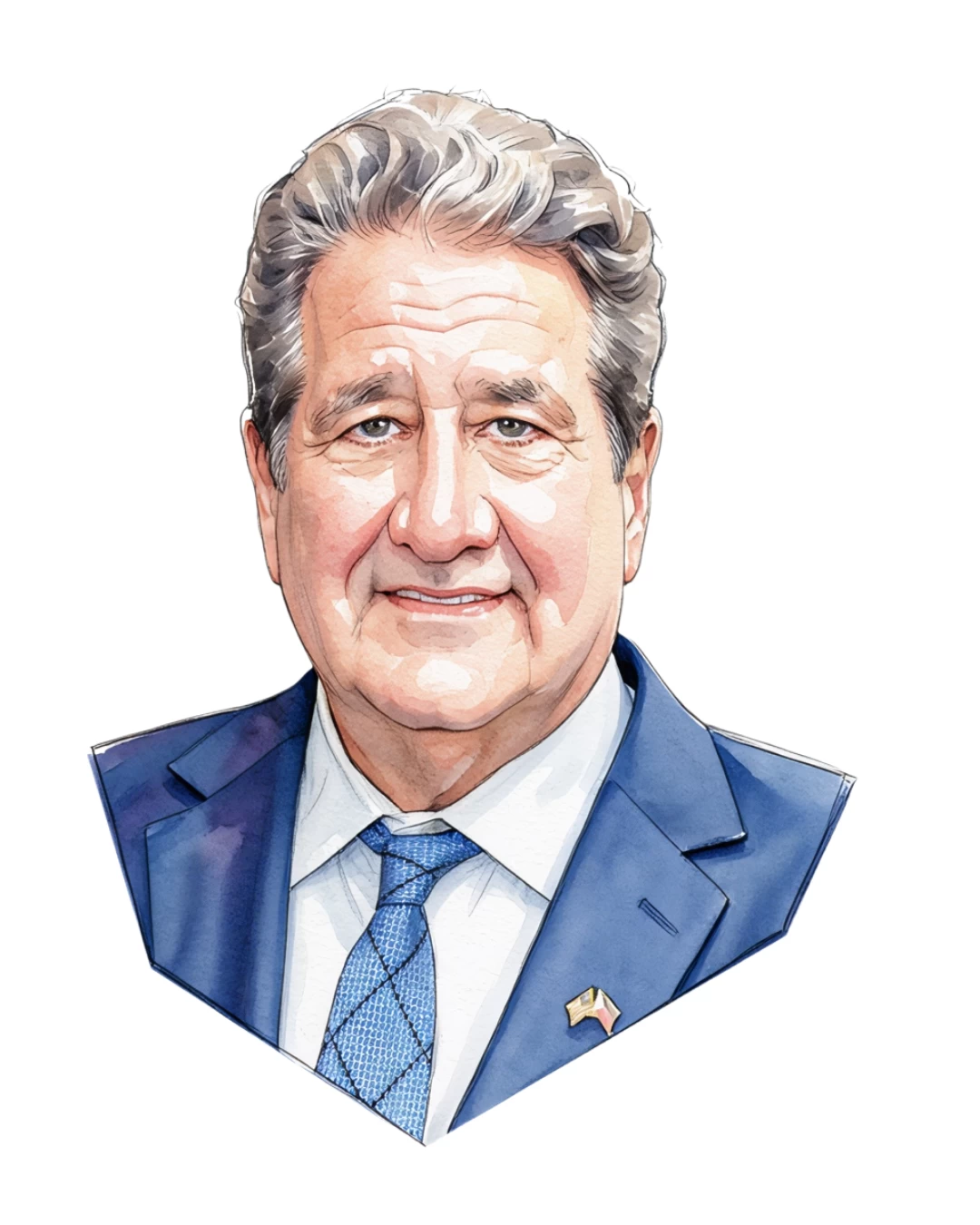
US Ambassador Lee Lipton
“It’s incredibly magnificent how they restored everything. The use of coconut is just absolutely unique.”
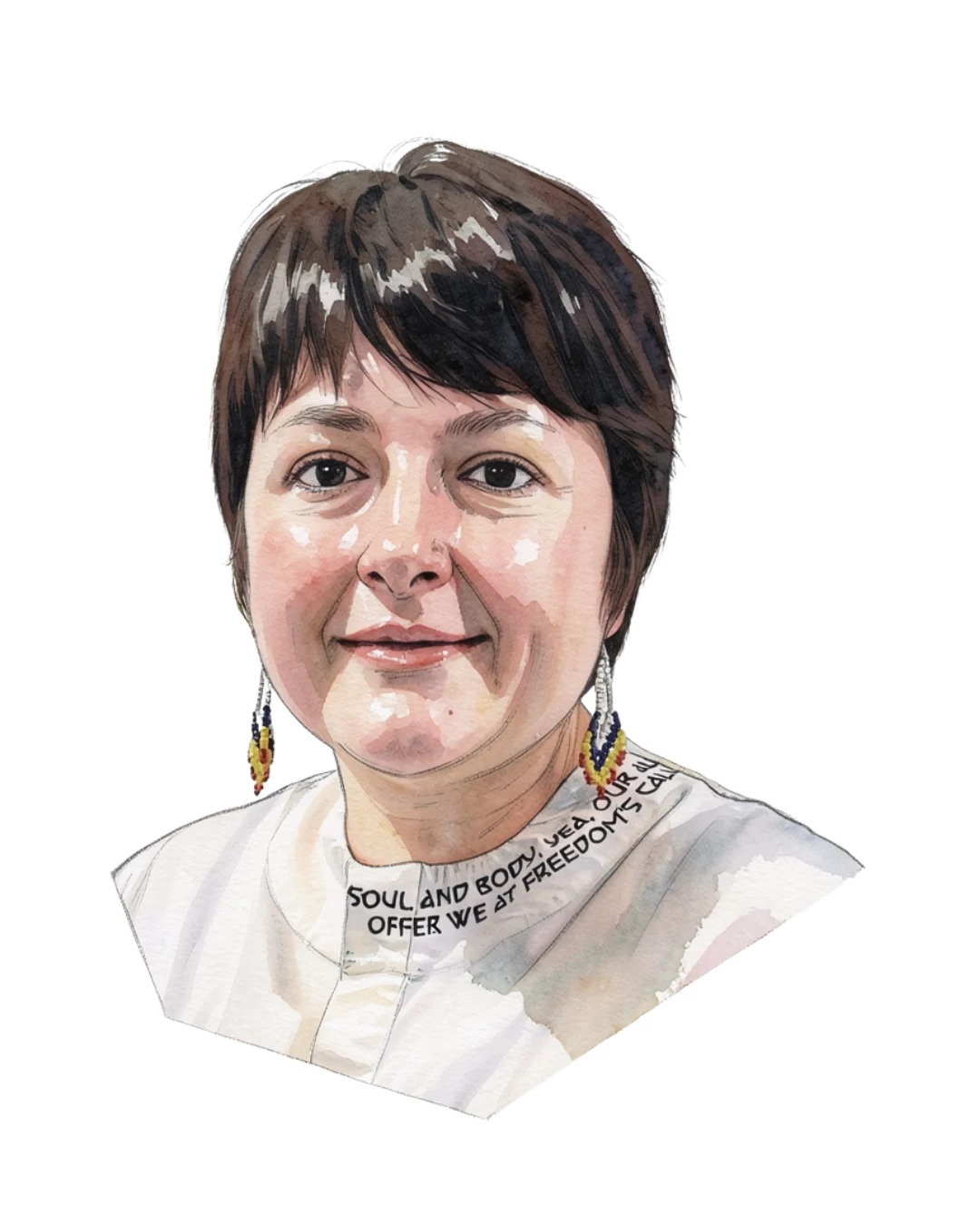
Ukrainian Ambassador Yuliia Fediv
“I was amazed. It’s a great way to preserve cultural heritage, especially since Manila was heavily bombed during World War II. After such devastation, to have something like this built and preserved is such a great thing.”
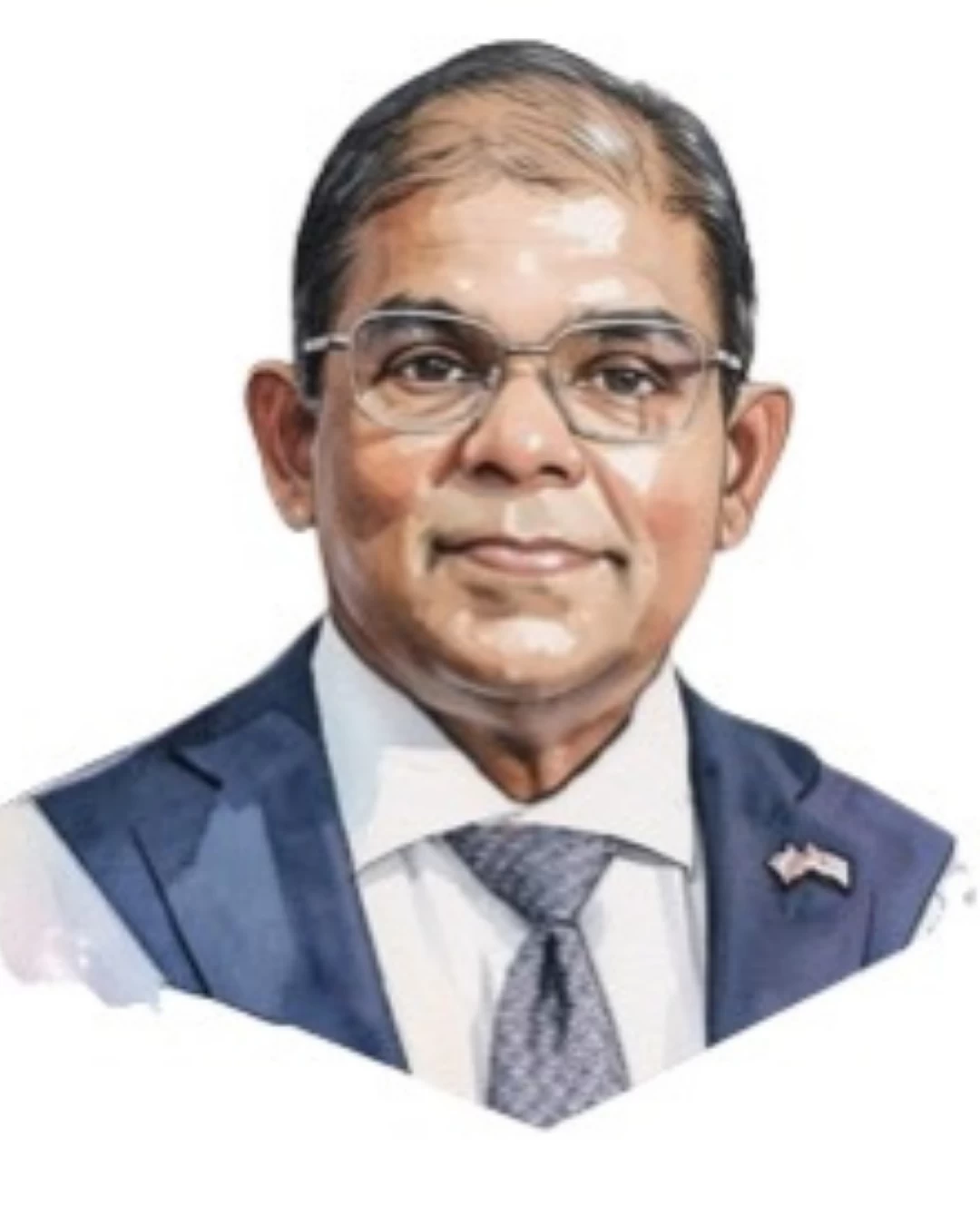
Malaysian Ambassador Abdul Malik Melvin Castelino
“Congratulations to the President. It was beautifully restored and looks so comfortable. It is definitely ready to welcome the ASEAN member states.”

Israeli Ambassador Dana Kursh
“It was a phenomenal way to show the strength and creativity of the Philippines. There is so much pride and character. It will be a wonderful place to host ASEAN leaders. The event was breathtaking.”
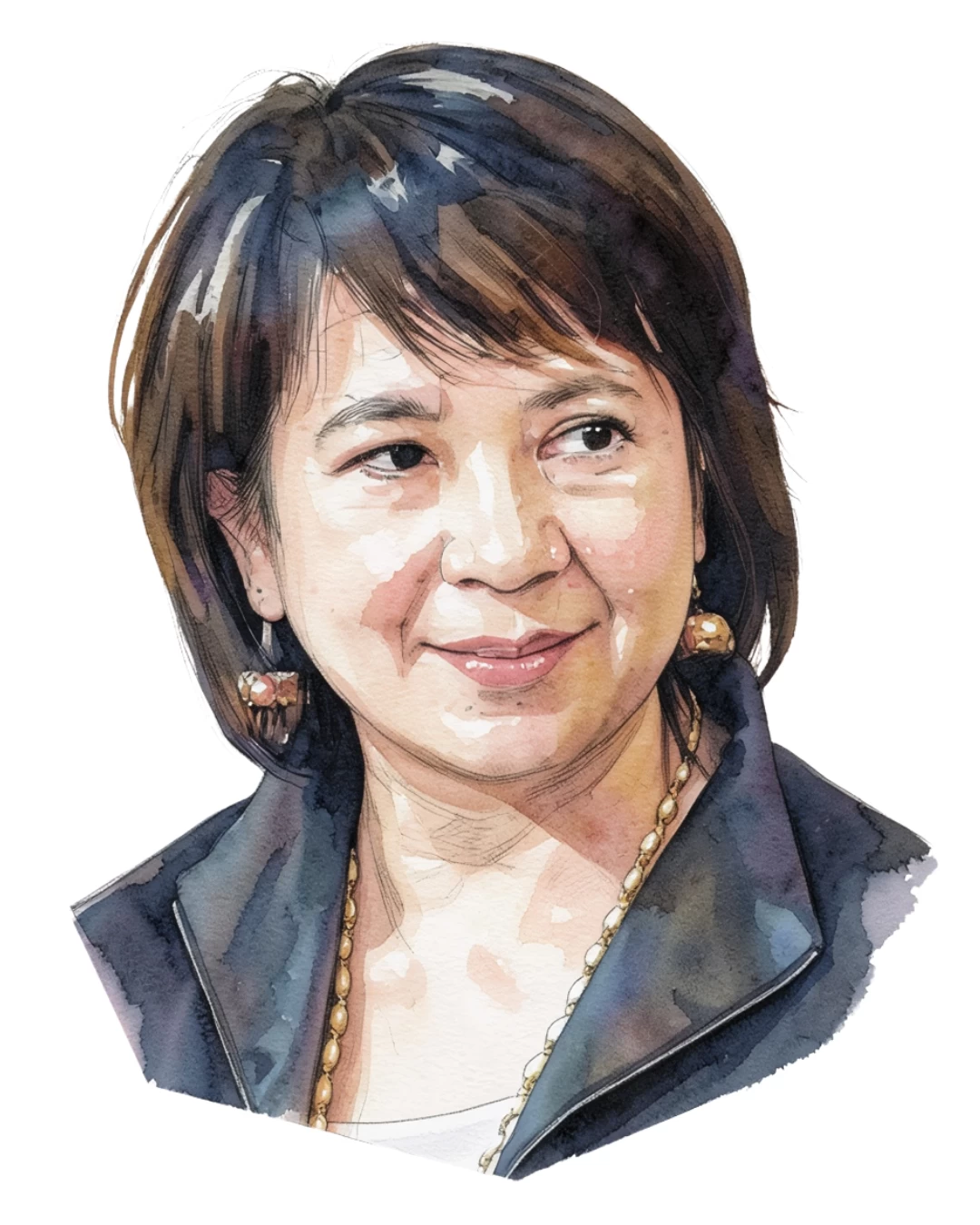
Thai Ambassador Makawadee Sumitmor
“It’s very nice. Coconut is something that is part of daily life, and they adapted it and used it for the décor. It’s very unique and reflects the Filipinos’ daily life.”
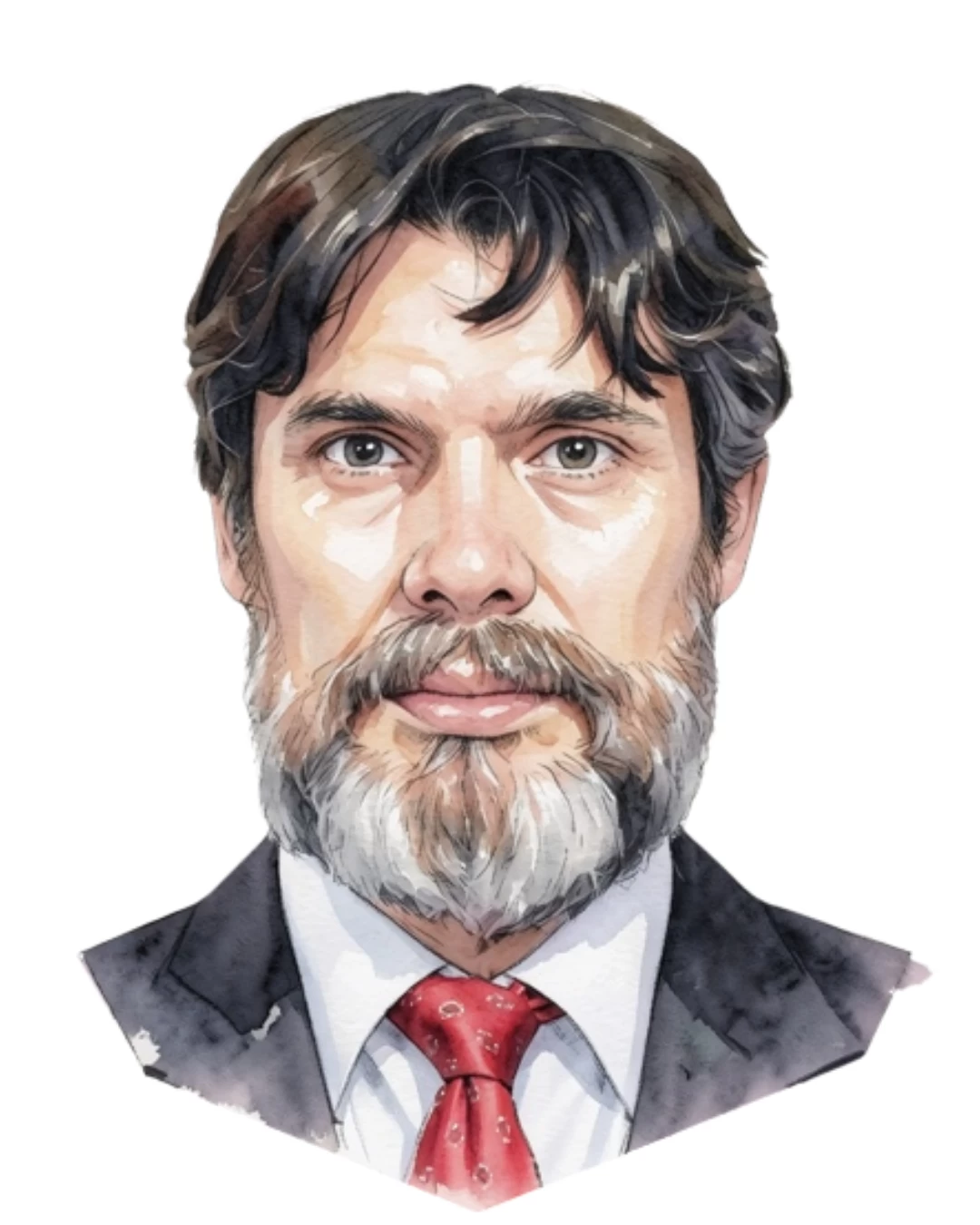
Chilean Ambassador Felipe Díaz
“It’s in great shape. I visited 23 years ago, and it looks renewed. Its original strength is back. All the carvings and wood—you don’t see craftsmanship like this being made anymore.”
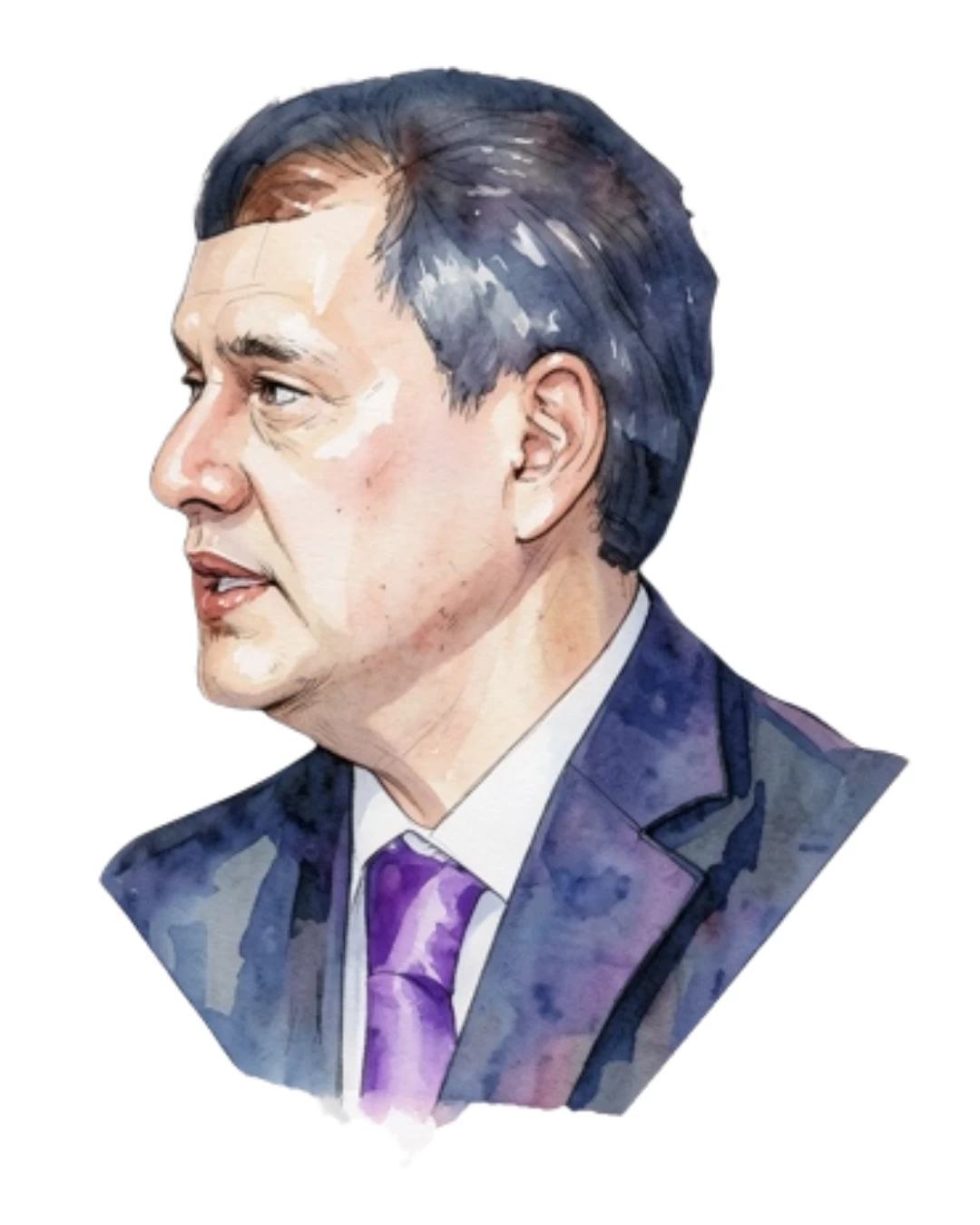
Panamanian Ambassador Eduardo A. Young Virzi
“I think it’s wonderful that they are restoring great facilities that had been forgotten for so many years. It’s a great showcase of Filipino craftsmanship.”