






Manila Bulletin
 Philippines
Luzon
8 dead, 123 hit by leptospirosis in Cordillera in first 7 months of 2026
Philippines
Luzon
8 dead, 123 hit by leptospirosis in Cordillera in first 7 months of 2026
Philippines
Luzon
8 dead, 123 hit by leptospirosis in Cordillera in first 7 months of 2026
8 dead, 123 hit by leptospirosis in Cordillera in first 7 months of 2026
Published Aug 29, 2026 02:54 pm


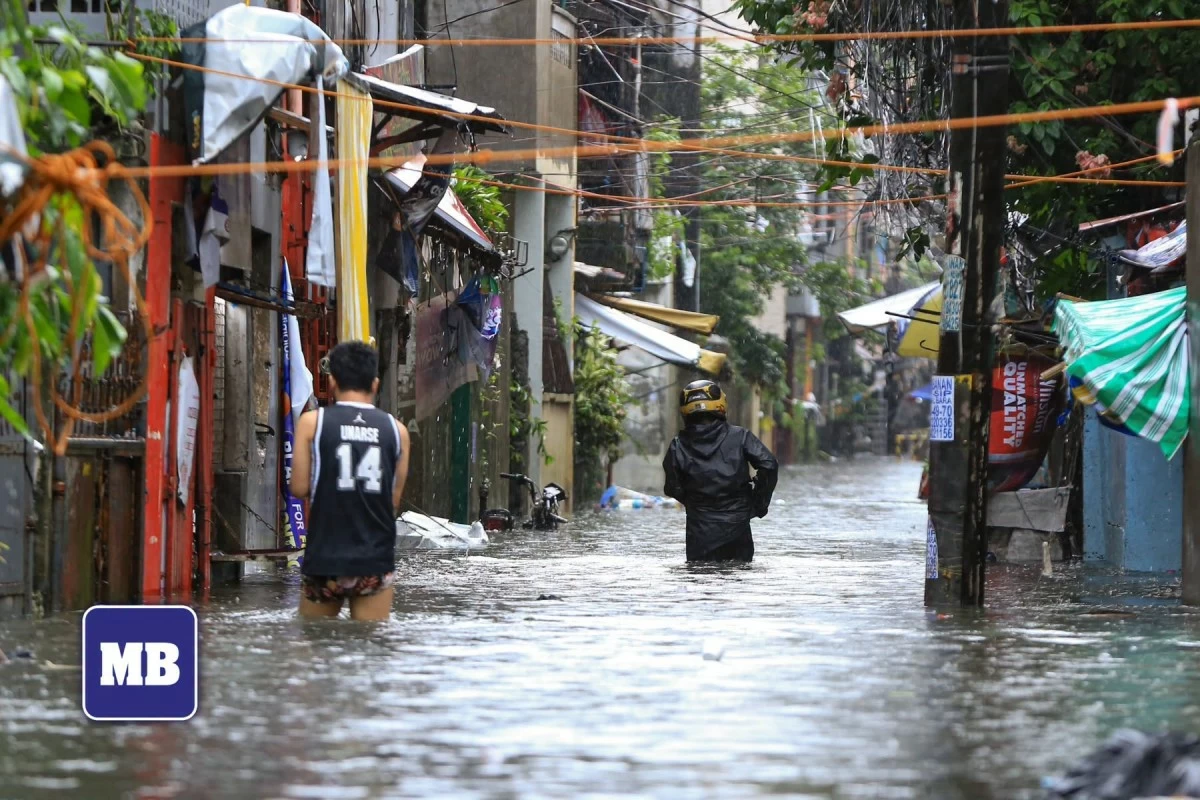
(MB Photo/ Santi San Juan)
TABUK CITY, Kalinga — Eight people have died while 123 others were stricken by leptospirosis in the Cordillera Administrative Region from January 4 to August 1, 2026, the Department of Health–Cordillera Administrative Region (DOH-CAR) said.
The cases were recorded amid persistent rains and flooding across the region, which increase people’s exposure to water, mud and soil contaminated with the urine of infected animals.
Despite the deaths, the DOH-CAR said the number of cases was 13 percent lower than those recorded during the same period last year.
Farmers were among the most affected, accounting for 39 percent of all recorded cases, according to DOH-CAR Regional Epidemiology and Surveillance Unit Officer IV Dr. Mae Kemeny Manogan.
The median age of patients was 30, indicating that many victims were of working age.
Manogan warned that farmers face increased risks because of their frequent exposure to wet soil, mud and water, particularly during the rainy season.
Leptospirosis is commonly acquired through contact with floodwater, puddles, mud or soil contaminated by the urine of infected animals, particularly rats and other rodents. Farm animals, including cows, carabaos and goats, can also carry the bacteria.
The risk is higher among people with open wounds who come into contact with contaminated water.
Meanwhile, the DOH recorded 3,440 leptospirosis cases and 220 deaths nationwide from January 4 to August 8. While this was 35 percent lower than the 5,318 cases recorded during the same period in 2025, health authorities noted an increase in cases from July 12 to 25.
The DOH-CAR urged residents to avoid unnecessary contact with floodwater and muddy areas and advised those working outdoors to wear boots and protective gear, cover open wounds, and thoroughly wash exposed skin with soap and clean water.
Residents who develop fever and other symptoms after exposure to floodwater or contaminated soil were urged to seek immediate medical attention.
Health authorities said monitoring remains in place as continuing rains could further increase the risk of infection across the Cordillera.