ADVERTISEMENT

Philippines metallic mineral production tops ₱202 billion in first half

Published Aug 28, 2026 10:12 pm
(Unsplash)
(Unsplash)
The value of the country’s metallic mineral production from January to June rose by more than 40 percent to over ₱200 billion compared to a year ago, driven by higher gold prices that offset weaker production volume.
Data from the Mines and Geosciences Bureau (MGB) showed that the country's total mineral output reached ₱202.18 billion in the first half, higher than last year’s ₱142.99 billion.
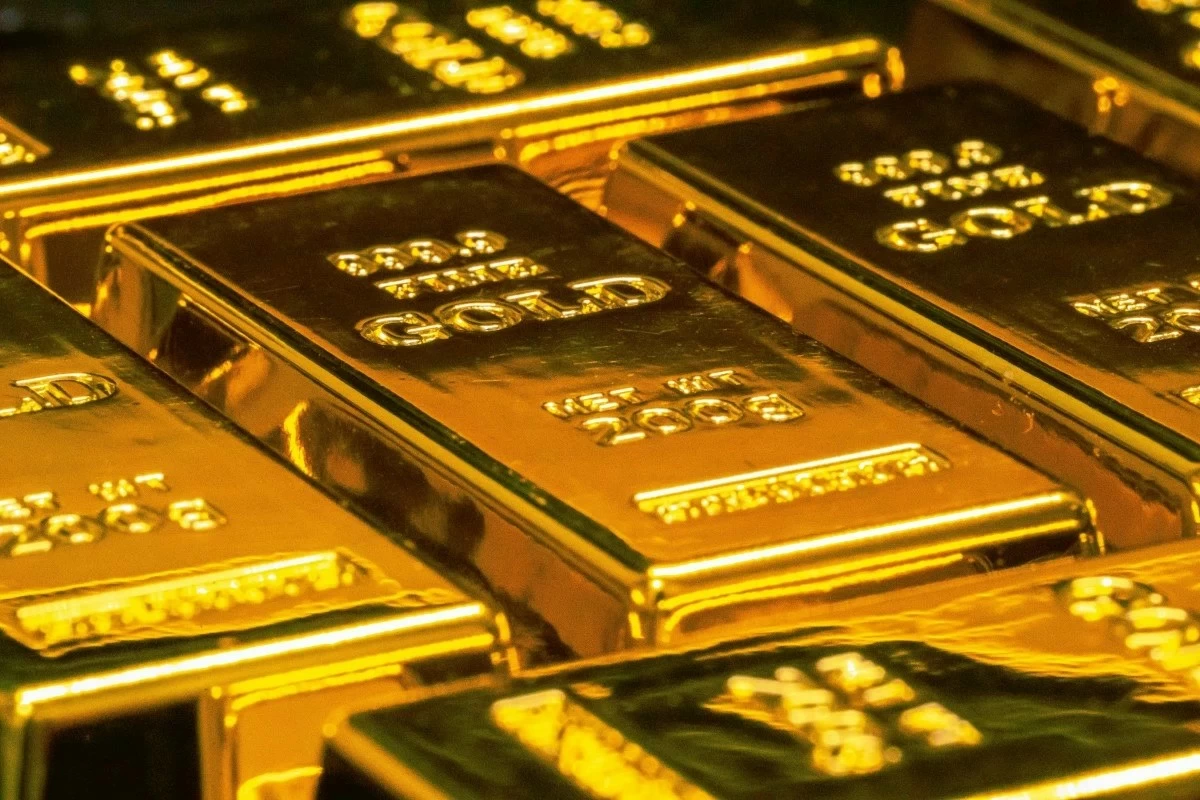
Gold stood as the country’s most prized mineral asset by the end of June, accounting for nearly 57 percent of the total value.
The value of gold output during the reference period surged by 42 percent to ₱114.50 billion from ₱80.43 billion, based on MGB data.
The increase in value was fueled by higher prices for the mineral, which averaged $4,512 per troy ounce in the second quarter, up by 37 percent from $3,293 per troy ounce in the same period last year, based on commodity price data from the World Bank.
The elevated gold prices helped counter the over 12 percent drop in production to 12,771 kilos by the end of June from 14,604 kilos.
Meanwhile, the country’s output of nickel direct shipping ore in the first half increased by a quarter to 19.24 million dry metric tons (DMT) from 15.32 million DMT.
The value of nickel direct shipping ore amounted to ₱42.18 billion, an improvement of 47.5 percent from ₱28.59 billion.
MGB data also showed that the production of mixed nickel-cobalt sulfide went up by more than half to ₱27.96 billion from ₱18.02 billion.
Meanwhile, copper concentrate output climbed by one percent to ₱13.85 billion from ₱13.67 billion in the previous year, as the volume of the mineral remained relatively stable at around 120,000 DMT.
Silver production, on the other hand, ballooned by 77 percent to ₱2.48 billion by the end of June from ₱1.4 billion. This was despite its production volume dropping by 23 percent to 18,607 kilos from 24,091 kilos.
The government is expecting the country’s mineral industry to become more productive in the coming years following the issuance of Executive Order (EO) No. 122, which establishes an integrated national framework to develop the critical minerals industry.
Mining groups expect the policy to create a predictable environment that would encourage the entry of long-term investments in exploration, mine development, and mineral processing.
At present, the government said there are still around nine million hectares of prospective areas across the country that have the potential to host critical mineral resources.

Related Tags

Mines and Geosciences Bureau (MGB) Mining
ADVERTISEMENT
.most-popular .layout-ratio{ padding-bottom: 79.13%; } @media (min-width: 768px) and (max-width: 1024px) { .widget-title { font-size: 15px !important; } }

{{ articles_filter_1561_widget.title }}

.most-popular .layout-ratio{ padding-bottom: 79.13%; } @media (min-width: 768px) and (max-width: 1024px) { .widget-title { font-size: 15px !important; } }

{{ static_articles_1562_widget.title }}

.most-popular .layout-ratio{ padding-bottom: 79.13%; } @media (min-width: 768px) and (max-width: 1024px) { .widget-title { font-size: 15px !important; } }

{{ articles_filter_1563_widget.title }}

{{ articles_filter_1564_widget.title }}

.mb-article-details { position: relative; } .mb-article-details .article-body-preview, .mb-article-details .article-body-summary{ font-size: 17px; line-height: 30px; font-family: "Libre Caslon Text", serif; color: #000; } .mb-article-details .article-body-preview iframe , .mb-article-details .article-body-summary iframe{ width: 100%; margin: auto; } .read-more-background { background: linear-gradient(180deg, color(display-p3 1.000 1.000 1.000 / 0) 13.75%, color(display-p3 1.000 1.000 1.000 / 0.8) 30.79%, color(display-p3 1.000 1.000 1.000) 72.5%); position: absolute; height: 200px; width: 100%; bottom: 0; display: flex; justify-content: center; align-items: center; padding: 0; } .read-more-background a{ color: #000; } .read-more-btn { padding: 17px 45px; font-family: Inter; font-weight: 700; font-size: 18px; line-height: 16px; text-align: center; vertical-align: middle; border: 1px solid black; background-color: white; } .hidden { display: none; }
function initializeAllSwipers() { // Get all hidden inputs with cms_article_id document.querySelectorAll('[id^="cms_article_id_"]').forEach(function (input) { const cmsArticleId = input.value; const articleSelector = '#article-' + cmsArticleId + ' .body_images'; const swiperElement = document.querySelector(articleSelector); if (swiperElement && !swiperElement.classList.contains('swiper-initialized')) { new Swiper(articleSelector, { loop: true, pagination: false, navigation: { nextEl: '#article-' + cmsArticleId + ' .swiper-button-next', prevEl: '#article-' + cmsArticleId + ' .swiper-button-prev', }, }); } }); } setTimeout(initializeAllSwipers, 3000); const intersectionObserver = new IntersectionObserver( (entries) => { entries.forEach((entry) => { if (entry.isIntersecting) { const newUrl = entry.target.getAttribute("data-url"); if (newUrl) { history.pushState(null, null, newUrl); let article = entry.target; // Extract metadata const author = article.querySelector('.author-section').textContent.replace('By', '').trim(); const section = article.querySelector('.section-info ').textContent.replace(' ', ' '); const title = article.querySelector('.article-title h1').textContent; // Parse URL for Chartbeat path format const parsedUrl = new URL(newUrl, window.location.origin); const cleanUrl = parsedUrl.host + parsedUrl.pathname; // Update Chartbeat configuration if (typeof window._sf_async_config !== 'undefined') { window._sf_async_config.path = cleanUrl; window._sf_async_config.sections = section; window._sf_async_config.authors = author; } // Track virtual page view with Chartbeat if (typeof pSUPERFLY !== 'undefined' && typeof pSUPERFLY.virtualPage === 'function') { try { pSUPERFLY.virtualPage({ path: cleanUrl, title: title, sections: section, authors: author }); } catch (error) { console.error('ping error', error); } } // Optional: Update document title if (title && title !== document.title) { document.title = title; } } } }); }, { threshold: 0.1 } ); function showArticleBody(button) { const article = button.closest("article"); const summary = article.querySelector(".article-body-summary"); const body = article.querySelector(".article-body-preview"); const readMoreSection = article.querySelector(".read-more-background"); // Hide summary and read-more section summary.style.display = "none"; readMoreSection.style.display = "none"; // Show the full article body body.classList.remove("hidden"); } document.addEventListener("DOMContentLoaded", () => { let loadCount = 0; // Track how many times articles are loaded const offset = [1, 2, 3, 4, 5, 6, 7, 8, 9, 10]; // Offset values const currentUrl = window.location.pathname.substring(1); let isLoading = false; // Prevent multiple calls if (!currentUrl) { console.log("Current URL is invalid."); return; } const sentinel = document.getElementById("load-more-sentinel"); if (!sentinel) { console.log("Sentinel element not found."); return; } function isSentinelVisible() { const rect = sentinel.getBoundingClientRect(); return ( rect.top < window.innerHeight && rect.bottom >= 0 ); } function onScroll() { if (isLoading) return; if (isSentinelVisible()) { if (loadCount >= offset.length) { console.log("Maximum load attempts reached."); window.removeEventListener("scroll", onScroll); return; } isLoading = true; const currentOffset = offset[loadCount]; window.loadMoreItems().then(() => { let article = document.querySelector('#widget_1690 > div:nth-last-of-type(2) article'); intersectionObserver.observe(article) loadCount++; }).catch(error => { console.error("Error loading more items:", error); }).finally(() => { isLoading = false; }); } } window.addEventListener("scroll", onScroll); });

Sign up by email to receive news.