






Manila Bulletin
 Philippines
National
DSWD, DDB pilot program to curb drug abuse risks among street children, out-of-school youth
Philippines
National
DSWD, DDB pilot program to curb drug abuse risks among street children, out-of-school youth
Philippines
National
DSWD, DDB pilot program to curb drug abuse risks among street children, out-of-school youth
DSWD, DDB pilot program to curb drug abuse risks among street children, out-of-school youth
Published Aug 28, 2026 11:58 am


At A Glance
- The Department of Social Welfare and Development, in partnership with the Dangerous Drugs Board, is piloting "Program Silong," an integrated program to be implemented through Special Drug Education Centers.
- The initiative seeks to strengthen drug and substance abuse prevention efforts among children and young people.
- The program has four components covering drug abuse prevention education, family involvement and support, community mobilization, and psychosocial and auxiliary services.
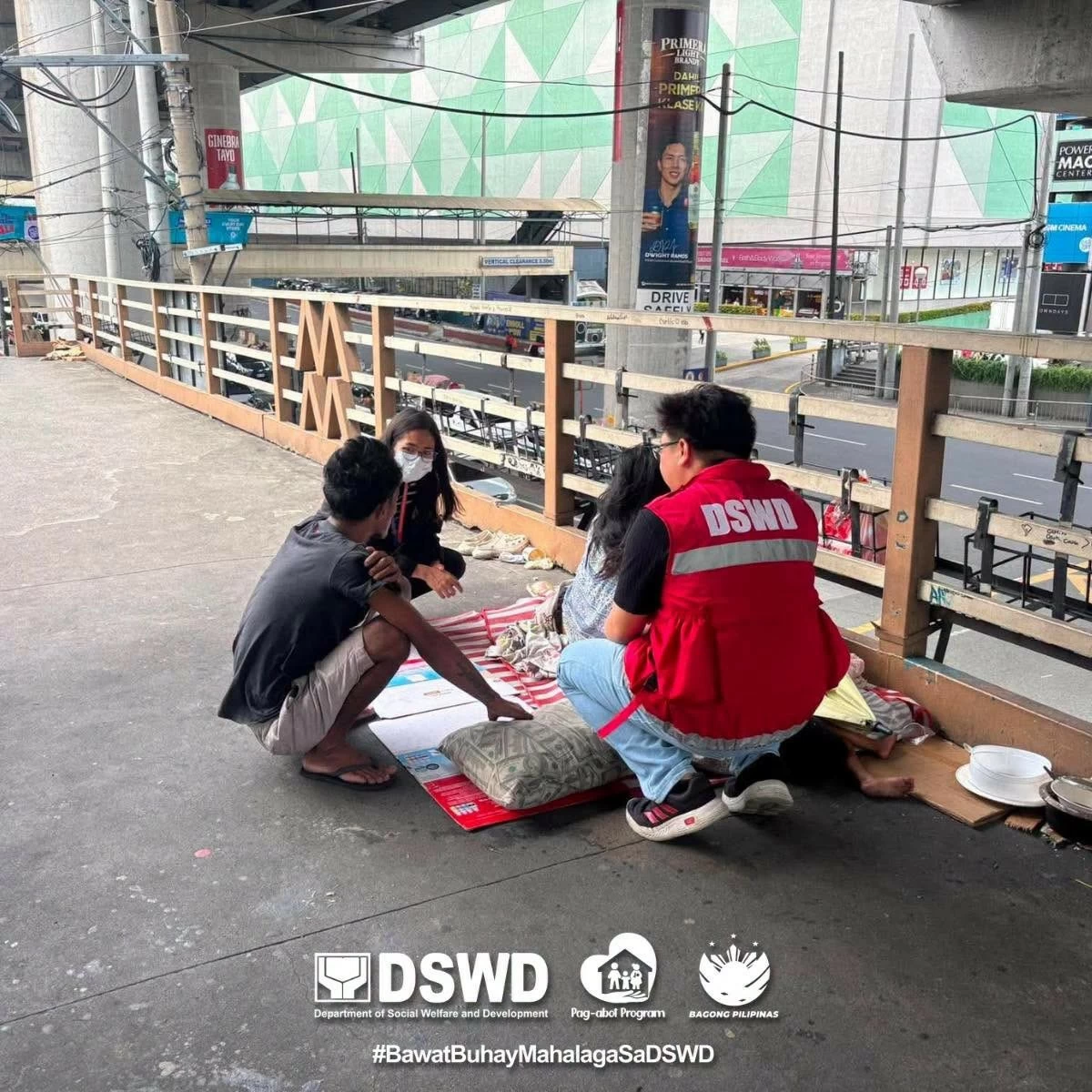
DSWD photo
Children in street situations and out-of-school youth will be among the first beneficiaries of a new intervention that combines drug abuse prevention education with family, community, and psychosocial support.
The Department of Social Welfare and Development (DSWD), in partnership with the Dangerous Drugs Board (DDB), is piloting “Program Silong,” an integrated program to be implemented through Special Drug Education Centers (SDECs).
The agencies conducted a week-long training for the program’s pilot implementation from Aug. 24 to 28 in Quezon City.
DSWD Special Assistant to the Secretary for Innovations Helen Suzara said the initiative seeks to strengthen drug and substance abuse prevention efforts among children and young people.
“Silong is an important step in strengthening our collective efforts towards drug abuse prevention, particularly among children and the young people,” Suzara said during the opening of the training.
The program has four components covering drug abuse prevention education, family involvement and support, community mobilization, and psychosocial and auxiliary services.
The education component includes toolkits designed for children, early to late adolescents, and parents or caregivers.
The family component will provide interventions to help parents and caregivers support drug abuse prevention efforts, while the community component will encourage communities to develop and implement prevention activities.
The psychosocial component will use pre- and post-assessments to identify the needs of children in street situations and out-of-school youth and monitor their progress.
Suzara described Program Silong as “a pioneering initiative, the first of its kind in the Philippines and in the ASEAN region.”
The program will initially be piloted in Muntinlupa City, Occidental Mindoro, and Zamboanga del Sur.
DSWD said the initiative is in line with its mandate under the implementing rules and regulations of Republic Act No. 9165, or the Comprehensive Dangerous Drugs Act of 2002, to provide drug abuse prevention and developmental services to vulnerable children and youth.
It will also involve community volunteers and local government implementers in carrying out prevention activities in the pilot areas.