






Manila Bulletin
 Philippines
National
DepEd strengthens monitoring of textbook distribution through LRMIS
Philippines
National
DepEd strengthens monitoring of textbook distribution through LRMIS
Philippines
National
DepEd strengthens monitoring of textbook distribution through LRMIS
DepEd strengthens monitoring of textbook distribution through LRMIS
By Jel Santos
Published Aug 28, 2026 04:38 pm


At A Glance
- DepEd secured all 105 target textbook titles for public elementary and secondary schools under the phased curriculum implementation from 2024 to 2026.
- The department is enhancing the LRMIS to closely track the distribution of textbooks and teachers' manuals at the school level.
- The procurement marks progress in resolving bottlenecks flagged by EDCOM II, which found that DepEd procured only 27 of 88 required titles from 2014 to 2023.
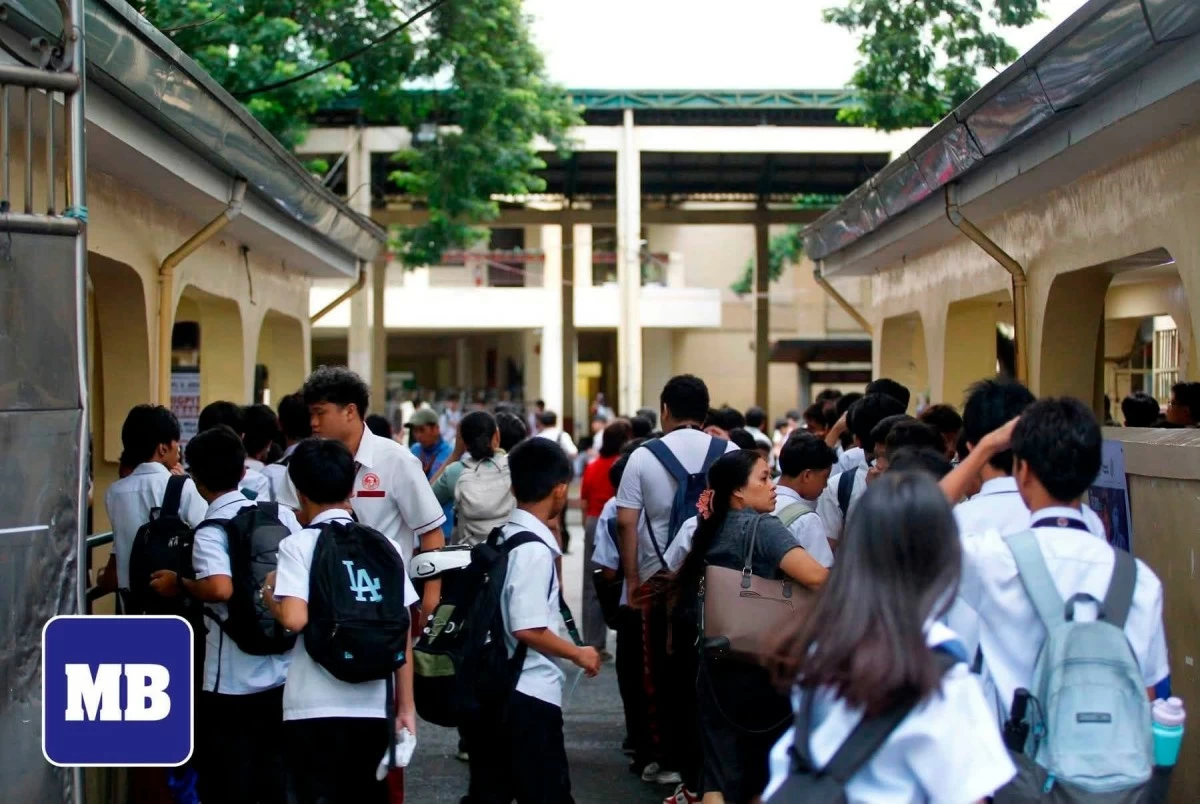
(MB FILE PHOTO)
After completing all its target textbook procurements for 2026, the Department of Education (DepEd) is enhancing the use of its Learning Resource Management and Information System (LRMIS) to closely monitor the distribution of textbooks and teachers’ manuals in schools.
Recently, education department secured all 105 target textbook titles for public elementary and secondary schools. It covers the successive phases of curriculum implementation from Grades 1, 4, 7, and Senior High School in 2024; Grade 3 and Grades 2, 5, and 8 in 2025; and Grades 6, 9, and 10 in 2026.
The procurement, per DepEd, resolves long-standing bottlenecks flagged by the Second Congressional Commission on Education (EDCOM II), which noted that DepEd procured only 27 of 88 required titles from 2014 to 2023.
DepEd said it will use the LRMIS to track the procurement and nationwide distribution of all 105 approved print and electronic textbook titles in real time, helping ensure that the learning materials reach schools and learners most in need.
According to DepEd Secretary Juan Edgardo Angara, the agency must now ensure that procured learning resources are tracked and accounted for throughout the distribution process and delivered to the schools, learners, and teachers that need them most.
“Natapos natin ang isang malaking bottleneck sa procurement. Pero hindi doon natatapos ang trabaho (We have resolved a major procurement bottleneck, but the work does not end there),” he said.
“Kailangan nating makita kung nasaan na ang textbooks, ilan ang hawak ng bawat school, anong grade level at learning area ang kulang, at saan puwedeng mag-reallocate kung may sobra o buffer stock. Iyan ang inaayos natin sa LRMIS (We need to determine where the textbooks are, how many each school has, which grade levels and learning areas lack materials, and where surplus or buffer stocks can be reallocated. That is what we are addressing through the LRMIS),” he added.
DepEd said achieving a one-to-one textbook-to-student ratio requires more than procuring enough textbooks.
It noted that enrollment changes every year across schools, grade levels, and localities, while textbooks may also be lost or damaged during their active use.
“Through LRMIS, schools may encode inventory data by learning resource, grade level, and learning area, which can be compared with current enrollment to identify gaps, verify deliveries, and guide the reallocation of available buffer stock,” the agency stated.
DepEd said the system offers a centralized database of learning resources, real-time inventory tracking, standardized reporting, and automated data-driven reports for schools, Schools Division Offices, Regional Offices, and the Central Office.
DepEd reported that as of Aug. 27, 37,705 public schools, or 78 percent of all schools under the department, had registered with the LRMIS, while 17,797 had recorded their textbook and teachers’ manual inventories in the system.
The latter figure accounted for about 37 percent of all DepEd schools and 77 percent of those covered by the current encoding phase, it added.
As such, the agency said schools encoded 20,520,035 learning resources in the system based on extracted regional inventory data.
Angara said encoding had been affected by bad weather in some areas, but the department remained committed to continuing the rollout without compromising school safety and operations.
“Habang mas maraming schools ang nag-e-encode, mas malinaw nating makikita kung saan kulang, saan sobra, at saan kailangang maglipat o magdagdag ng learning resources (As more schools encode their data, we will have a clearer picture of where learning resources are lacking, where there are surpluses, and where materials need to be transferred or increased),” he said.