






Manila Bulletin
 Philippines
National
Stricter sub judice rule could force prosecutors to resign from VP Duterte trial--Adiong
Philippines
National
Stricter sub judice rule could force prosecutors to resign from VP Duterte trial--Adiong
Philippines
National
Stricter sub judice rule could force prosecutors to resign from VP Duterte trial--Adiong
Stricter sub judice rule could force prosecutors to resign from VP Duterte trial--Adiong
Published Aug 27, 2026 03:57 pm


At A Glance
- Rep. Zia Alonto Adiong said some House prosecutors may resign their roles to continue serving as spokespersons after stricter enforcement of the sub judice rule.
- The prosecution team is considering reshuffling or expanding its communications line-up, as current spokespersons may face limits on what they can publicly discuss about Sara Duterte's impeachment trial.
- Rep. Jude Acidre stresses that restrictions must apply fairly to both prosecution and defense, while also warning against a total prohibition on factual public explanations of trial proceedings.
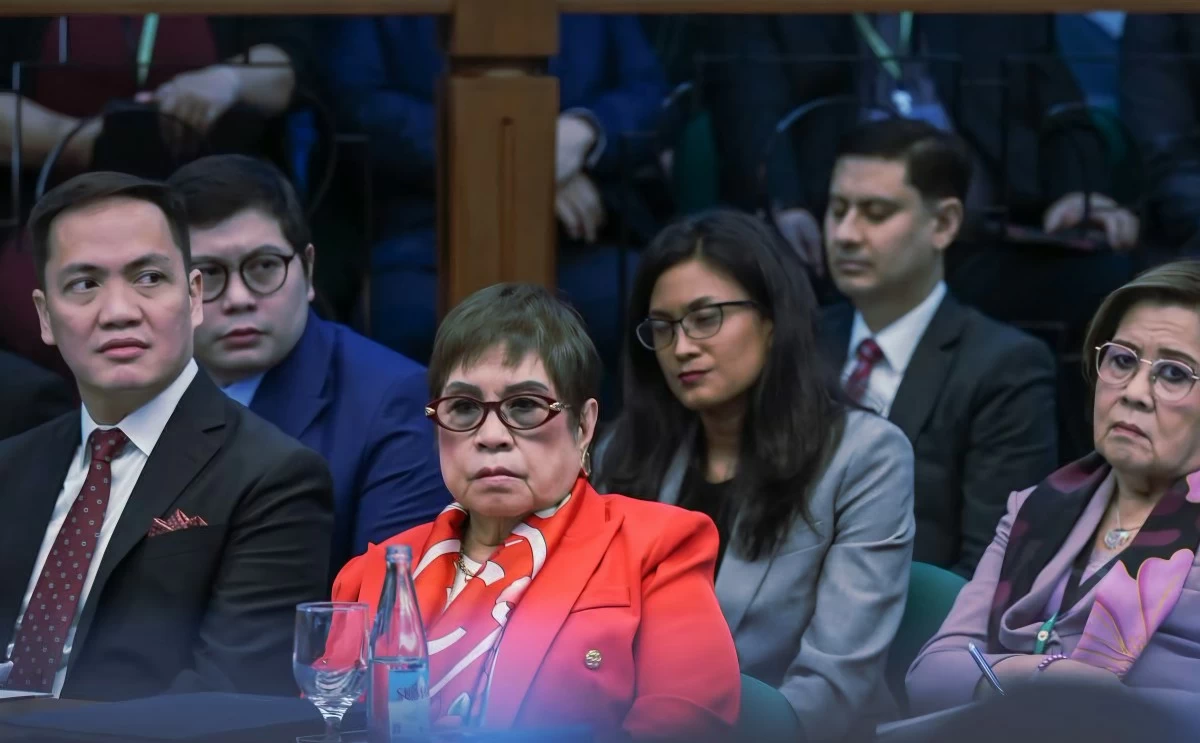
The House prosecution team (Senate PRIB)
Lanao del Sur 1st district Rep. Zia Alonto Adiong said that some members of the House prosecution panel may step down from their roles as prosecutors in order to keep functioning as spokespersons following the Senate impeachment court’s stricter enforcement of its sub judice rule.
Adiong, a panel spokesman, said the prosecution team was still discussing how to adjust its communications line-up after the court's presiding officer Senator Francis “Chiz” Escudero cited on Wednesday, Aug. 26 the observance of Rule 18,
The rule bars covered parties from making public comments on the merits of the pending case, specifically Vice President Sara Duterte's impeachment trial.
“But definitely may possibility po na may mga nakaupong prosecutors ngayon ang maaaring magbitiw ng kanilang position bilang miyembro ng prosecution panel at mag-act na lang as isa sa mga spokespersons,” Adiong said.
(But there is definitely a possibility that some prosecutors currently serving on the panel may resign from their positions as members of the prosecution panel and instead act as one of the spokespersons.)
The possible reshuffling comes as the prosecution has relied on several members to explain testimony and evidence presented during Duterte’s impeachment trial, which began last July 6.
Adiong said the stricter application of the rule could limit what prosecutors who also speak to the media can publicly discuss.
“Mababawasan [ang spokespersons] in a sense po na yung mga nagsasalita ng mga prosecutors na nag-iinterview ay mukhang limitado na po ang kanilang sasabihin,” he said.
(The number of spokespersons may be reduced in a sense because the prosecutors who speak in interviews will apparently be limited in what they can say.)
Adiong, however, said the prosecution panel could expand its communications team by bringing in people who are not currently members of the panel.
“Pero definitely yung mga nagsasalita na po for the House prosecution panel hindi po mababawasan,” he said. “Rather may possible na madadagdag.”
(But definitely, those who are already speaking for the House prosecution panel will not be reduced. Rather, there is a possibility that more could be added.)
Adiong along with Robert Ace Barbers are the two non-lawyer, "layman spokespersons" of the House prosecution team.
Both public and private prosecutors in the case have routinely joined Adiong and Barbers' press conferences about the high-stakes trial. The House prosecution team has 26 members--11 congressmen and 15 private prosecutors.
No to total prohibition
Meanwhile, Tingog Party-list Rep. Jude Acidre, said the restrictions should not result in a total prohibition on explaining the proceedings to the public.
He said there should be room for factual explanations of testimony, evidence and developments that have already taken place in the impeachment court.
“I think a total prohibition must be reviewed naman siguro. Di ba. Kasi hindi naman lahat napag-uusapan doon mismo sa nangyayari sa korte at minsan nangangailangan talaga ng patnubay, explanation or kahit sabihin na lang natin pang me-laymanize yung mga usapan sa impeachment,” Acidre said.
(I think a total prohibition should perhaps be reviewed. Not everything is discussed in the courtroom itself, and sometimes guidance, explanation, or simply putting the discussions in layman’s terms is really necessary.)
Restrictions must apply to both sides
Acidre, however, agreed that restrictions on discussing the merits of the case should apply equally to both sides.
“Ang panawagan lang natin ay maging patas ho ang application nito. Hindi naman ho natin pwedeng sabihin na ang mga prosecution lang ang hindi pwedeng magsalita. Hindi rin natin masabi na ang depensa lang ang pwedeng magsalita," he said.
(Our only appeal is that it be applied fairly. We cannot say that only the prosecution cannot speak. Nor can we say that only the defense can speak.)