






Manila Bulletin
 Philippines
National
JV Ejercito pushes for 'back to basic' approach to P7.2-T 2027 national budget
Philippines
National
JV Ejercito pushes for 'back to basic' approach to P7.2-T 2027 national budget
Philippines
National
JV Ejercito pushes for 'back to basic' approach to P7.2-T 2027 national budget
JV Ejercito pushes for 'back to basic' approach to P7.2-T 2027 national budget
Published Aug 27, 2026 02:53 pm


At A Glance
- Senate Finance Committee chief Sen. Joseph Victor "JV" Ejercito on Thursday, August 27 pushed for a "back to basic" approach to the proposed P7.2-trillion national budget for 2027, saying next year's budget should be marked with tighter spending and greater accountability.
Senate Finance Committee chief Sen. Joseph Victor “JV” Ejercito on Thursday, August 27 pushed for a “back to basic” approach to the proposed P7.2-trillion national budget for 2027, saying next year’s budget should be marked with tighter spending and greater accountability.
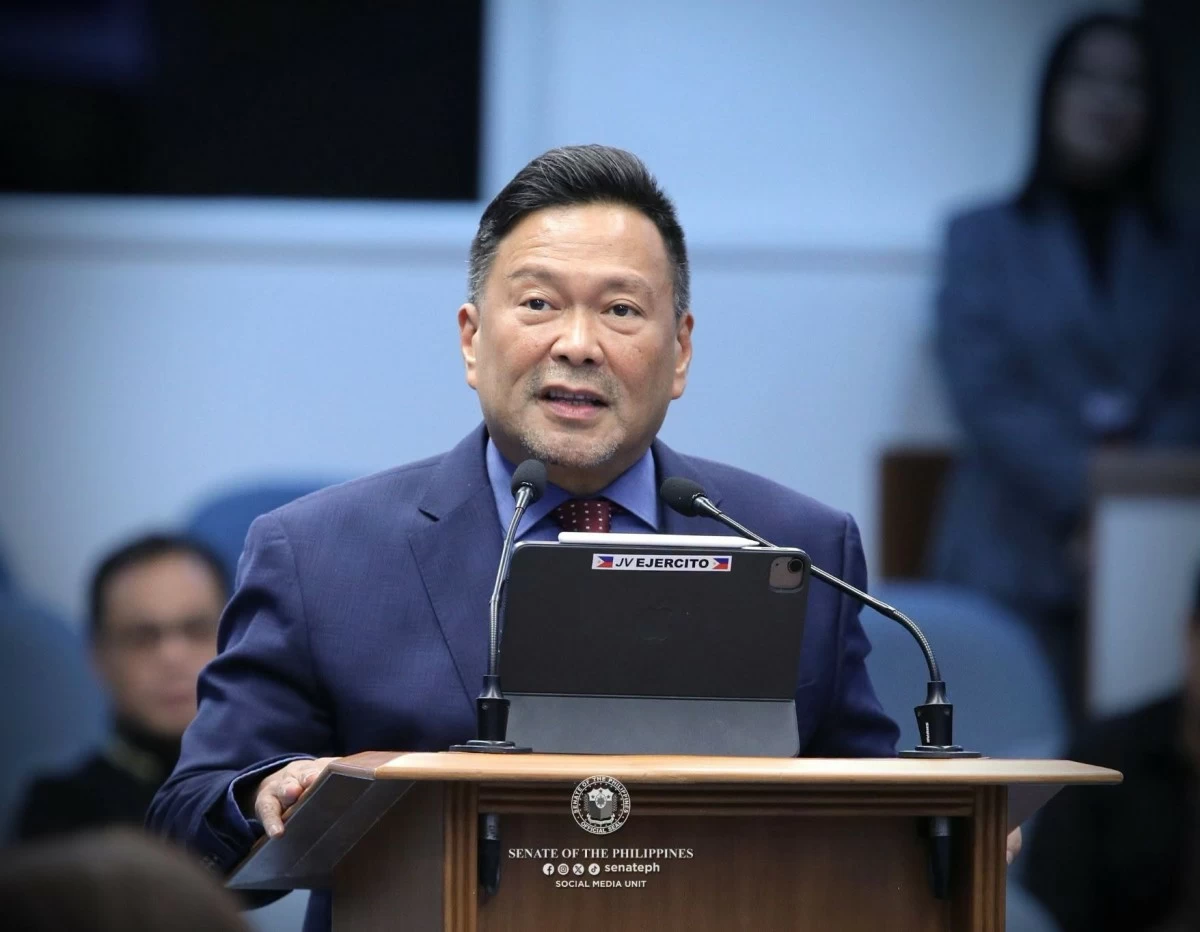
Ejercito pointed this out as he sets the tone during the Development Budget Coordination Committee (DBCC) deliberations on the 2027 spending plan, highlighting the need to ensure clearer priorities as the government seeks to revive the economy.
“As we formally begin these deliberations, I want to underscore our clear intention to go ‘back to basics’ in crafting this budget,” Ejercito said during the DBCC meeting.
“In going back to basics, we mean accountability for every peso we appropriate, with a clear focus on the basic needs of the people such as health, education, and infrastructure that will generate quality jobs and put food on the table,” he said.
This year’s budget is six (6) percent higher that this year’s spending plan. But state economic managers called for more disciplined spending as economic growth slows down to 2.3 percent in the second quarter, the weakest pace since 2021.
The slowdown was accompanied by a sharp contraction in construction and weaker investment. Since fiscal space remains limited, Ejercito said it is essential for the government to distinguish between spending that is merely large and spending that produces results.
“Every peso we appropriate represents a choice…The challenge is not only how much we spend, but where each peso will have the greatest impact on the needs of our people,” he said.
He said the Finance panel will scrutinize each agencies’ proposed programs by asking whether expenditures are necessary, if costs are reasonable, if projects are ready for implementation and who will be accountable for delays or failures.
Nevertheless, tighter scrutiny should not be equated to holding up legitimate government projects and investments.
“What we need to stop is corruption and anomalies, not development,” he pointed out.