






Manila Bulletin
 Philippines
National
Flood mitigation projects for Parañaque in the works, DPWH assures Yamsuan
Philippines
National
Flood mitigation projects for Parañaque in the works, DPWH assures Yamsuan
Philippines
National
Flood mitigation projects for Parañaque in the works, DPWH assures Yamsuan
Flood mitigation projects for Parañaque in the works, DPWH assures Yamsuan
Published Aug 27, 2026 10:21 am


At A Glance
- DPWH assured Parañaque City 2nd district Rep. Brian Raymund Yamsuan that water detention facilities and other flood mitigation projects in Parañaque were included in the government's broader Metro Manila flood management program.
- DPWH Secretary Vince Dizon said the long-delayed Parañaque Spillway Project would finally be implemented, following President Marcos' directive to prioritize the project as a long-term flood-control solution benefiting southern Metro Manila, Laguna, and Cavite.
- Dizon said the DPWH was pursuing additional flood-control measures, including underground water detention basins in open spaces, parks, and private properties, as dredging and declogging alone were no longer sufficient; however, right-of-way issues remained a key challenge.
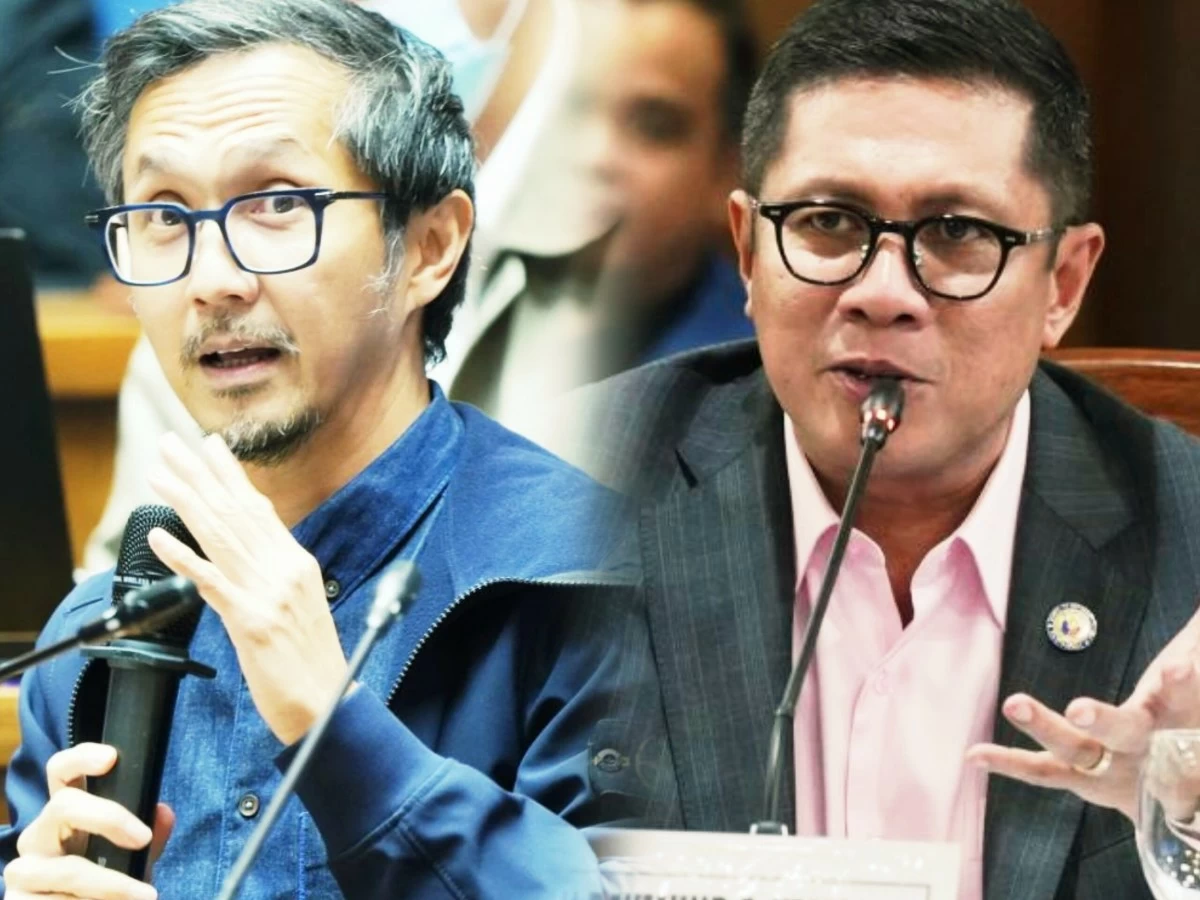
DPWH Secretary Vince Dizon (left), Parañaque City 2nd district Rep. Brian Raymund Yamsuan (PPAB)
Parañaque City 2nd district Rep. Brian Raymund Yamsuan has received assurance from the Department of Public Works and Highways (DPWH) that local water detention facilities and other flood mitigation projects are now in the pipeline and included in the government’s broader flood management program for Metro Manila.
This took place during the DPWH's budget hearing Wednesday, Aug. 26 before the House Committee on Appropriations. DPWH Secretary Vince Dizon was in attendance.
Yamsuan also secured an assurance from Dizon that the long-delayed Parañaque Spillway Project would finally be implemented.
The lawmaker has expressed concern that once completed, flood mitigation projects funded by the Japan International Cooperation Agency (JICA), such as the Manggahan Control Gate Structure in Marikina City, could divert massive amounts of floodwaters into Laguna De Bay and worsen flooding in Parañaque and other surrounding areas.
“Yung buhos ng tubig ng Marikina doon na papunta sa amin… kung masimulan na natin ang Parañaque spillway kahit papaano, makapag-countdown na kami ng 10 years para matapos na ‘yan,” Yamsuan said during the marathon budget hearing.
(The flow of the water would be towards our city…if we can start the implementation of the Parañaque spillway, we can, somehow, begin the countdown so that in 10 years, this will be completed.)
Yamsuan pointed out that had government started building the Parañaque Spillway, when this proposal was revived by architect and urban planner Felino “Jun” Palafox Jr., the project would have already been completed in 2016.
Dizon said no less than President Marcos has instructed the DPWH to prioritize and begin the implementation of the project.
“Ang exact words po ng Pangulo is ‘tama na ang debate, gawin na natin ang Parañaque spillway,’ kasi, yan po talaga ang long-term solution na makakatulong ng malaki. Multiple areas will benefit—southern Metro Manila, Laguna and Cavite,” Dizon said.
(The President’s exact words were ‘enough of the debate, let’s implement the Parañaque spillway’ because this is the long-term solution that would be a big help.)
Also during the hearing, Yamsuan also thanked Dizon for his speedy action in addressing flooding in his district especially when "Habagat"-induced heavy rains drenched Metro Manila last week.
“We thank you and appreciate your efforts not only for Parañaque but for the whole country,” Yamsuan said.
When asked by Yamsuan whether the DPWH “still has enough wiggle room” under its proposed 2027 budget to address emergencies such as the unexpected rainfall level this month, Dizon said that he “definitely would need the help of Congress” especially after finding out during inspections led by the President that more needs to be done to address flooding across the country.
Dizon said water detention facilities in flood-prone areas, including in Parañaque City, is on the Marcos administration’s priority list of flood mitigation projects “moving forward".
Yamsuan recalled that among the solutions eyed by the DPWH to ease flooding in Parañaque was the construction of water detention facilities underneath open spaces available in SM Sucat, and in basketball courts housed in flood-prone communities of the city, similar to what was done in Japan.
Dizon said that while dredging and declogging of waterways are being done, these are already insufficient to address the massive flooding in Metro Manila and other urban centers.
Creative solutions such as the construction of underground water detention basins in open spaces, parks and even privately owned golf courses are necessary to temporarily store rainwaters before letting these flow into waterways to prevent flooding, Dizon said.
The challenge that Dizon foresees the DPWH will encounter are right-of-way concerns involving privately owned properties.