






Manila Bulletin
 Business
Banking & Finance
BIR, Ayala partner on AI tool to streamline tax regulatory analysis
Business
Banking & Finance
BIR, Ayala partner on AI tool to streamline tax regulatory analysis
Business
Banking & Finance
BIR, Ayala partner on AI tool to streamline tax regulatory analysis
BIR, Ayala partner on AI tool to streamline tax regulatory analysis
By Jun Ramirez
Published Aug 27, 2026 04:49 pm


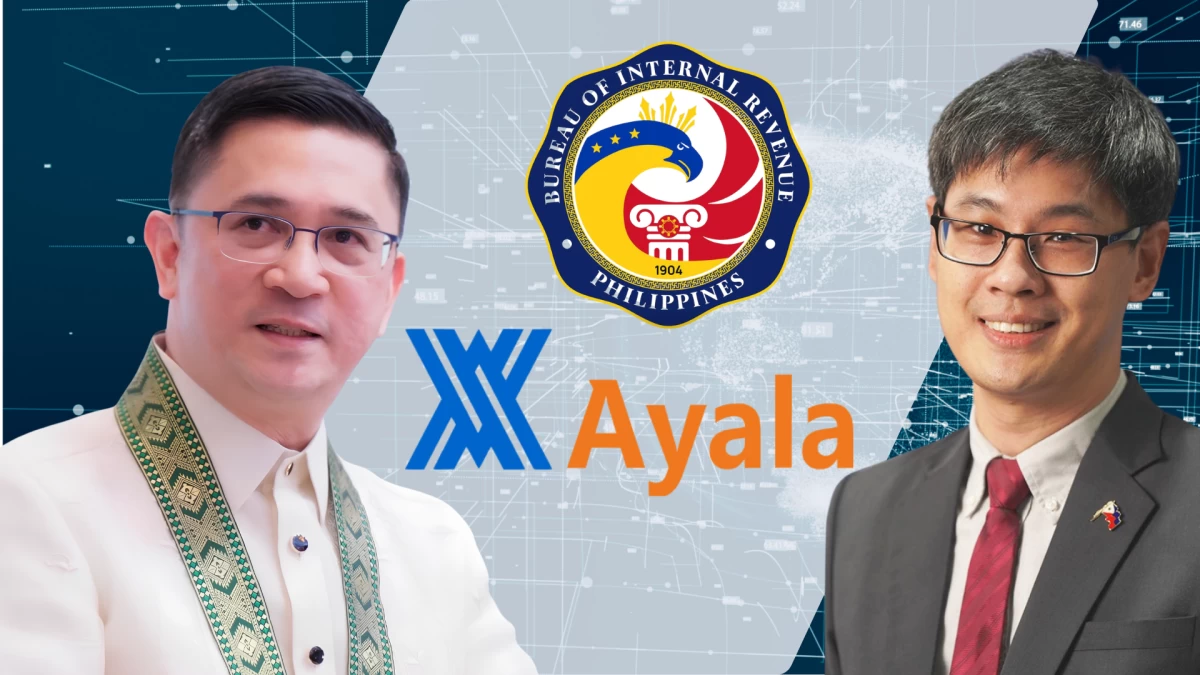
The Bureau of Internal Revenue (BIR) is tapping conglomerate Ayala Corp. to develop an artificial intelligence (AI) tool aimed at streamlining tax legal research and regulatory reviews, accelerating processing times across the agency.
BIR Commissioner Charlito Martin R. Mendoza and Ayala Data Science and Artificial Intelligence Group Head Karl Kendrick Chua signed a memorandum of agreement on Aug. 25, to deploy “Terry,” an AI-powered assistant designed to help revenue officials search, cross-reference, and analyze complex tax materials, rulings, and official issuances.
The initiative comes as part of the tax collector’s broader push to modernize operations and optimize administrative workflows, allowing officials to spend less time on manual document retrieval and more time resolving contentious tax cases and executing structural reforms.
Under the six-month pro bono collaboration, Ayala will construct a structured, searchable knowledge base for the agency. The software will generate citation-backed responses strictly grounded in official revenue references.
BIR staff will actively participate in testing, validating, and refining the model to ensure high accuracy in administrative applications, while Ayala leads knowledge-transfer efforts to enable the agency to maintain the system independently over time.
For Ayala, the project represents a strategic effort to build capacity within essential public institutions. The partnership aligns with the BIR’s internal transformation framework, specifically supporting its digital modernization and workforce empowerment mandates.
Financial details of the agreement were not disclosed, but Ayala will provide the technical setup at zero cost to the government.
The deployment reflects an increasing reliance on private sector technology capabilities to overhaul Philippine public administration, addressing bureaucratic bottlenecks without expanding immediate operational overhead.
Revenue officials emphasized that while the AI engine will assemble legal foundations and speed up routine verification, final investigative judgments and administrative enforcement decisions will remain strictly in the hands of human officers.