






Manila Bulletin
 Philippines
National
Robin Padilla invokes national heroes to justify aliases in confidential funds
Philippines
National
Robin Padilla invokes national heroes to justify aliases in confidential funds
Philippines
National
Robin Padilla invokes national heroes to justify aliases in confidential funds
Robin Padilla invokes national heroes to justify aliases in confidential funds
By Dhel Nazario
Published Aug 26, 2026 02:54 pm


Senator-judge Robin Padilla turned to Philippine history—and a long list of revolutionary aliases—to show justification of the use of fictitious names in documents tied to the alleged disbursement of confidential funds during Vice President Sara Duterte’s impeachment trial on Wednesday, Aug. 26.
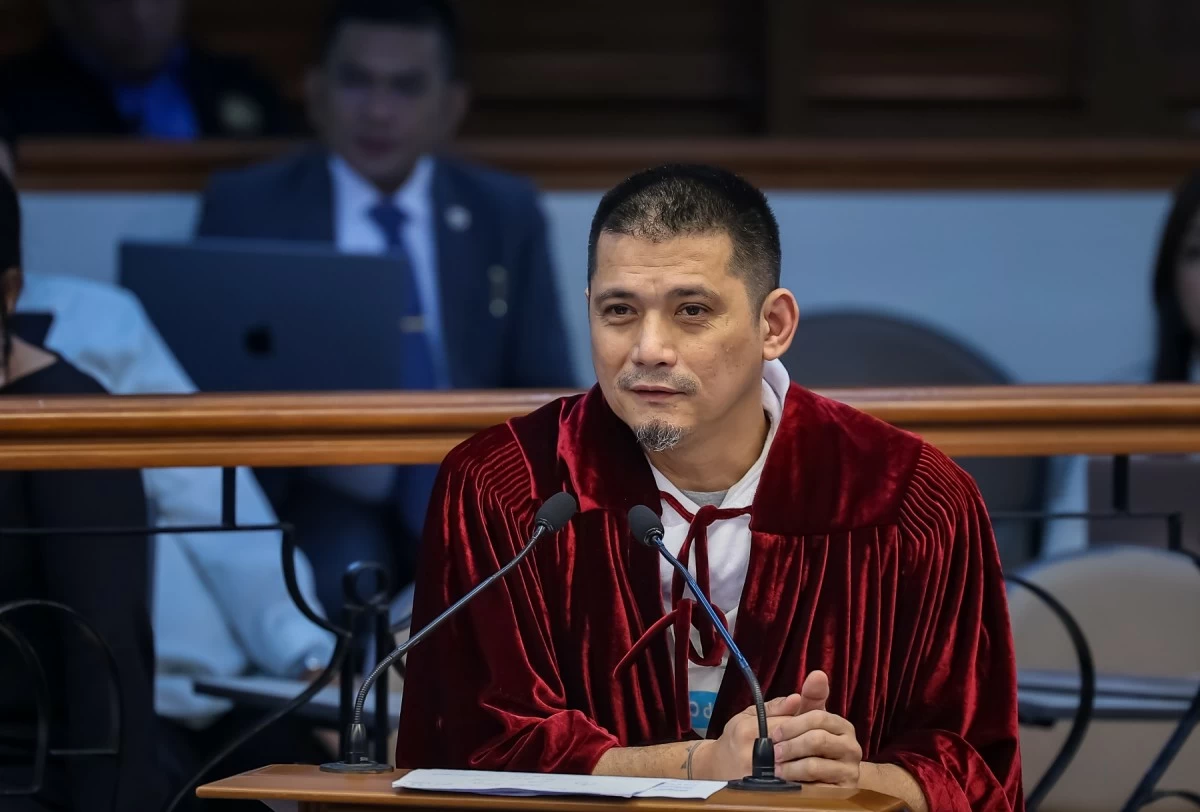
Senator-judge Robin Padilla (Senate PRIB photo)
Padilla first asked the Office of the Vice President (OVP) Assistant Secretary Lemuel Ortonio whether using aliases was appropriate when dealing with confidential funds.
Ortonio, however, declined to give a categorical answer, saying he was not familiar with the actual implementation of confidential activities on the ground. He noted that confidential activities are sensitive and may require protecting the identities of individuals providing information.
More importantly, Ortonio pointed out that the Joint Memorandum Circular (JMC) governing confidential funds contains no specific provision on how names should appear in documentary evidence of payments.
Padilla then shifted his questions to prosecution lawyer Mae Divinagracia, asking whether she knew that Filipinos had used aliases during periods of armed conflict.
The senator invoked National Heroes Day and proceeded to quiz Divinagracia about historical figures who supposedly used aliases, citing names including “Dimasalang,” “Siling Labuyo,” “Maypagasa,” “Magdalo,” “Vibora,” “Lakambini” and others.
When Divinagracia said she could not recall all of them, Padilla pressed on, arguing that aliases had historically been important in protecting people involved in underground movements.
Padilla invoked the Katipunan and the betrayal of Teodoro Patiño, which exposed members of the revolutionary organization.
He brought up another collection of names allegedly used by NPA members.
Divinagracia attempted to distinguish the historical circumstances Padilla was citing, pointing out that an internal armed conflict is not the same as a conventional war.
But Padilla continued to argue that both situations represented a “clear and present danger”.
Padilla then brought up the 13 Martyrs of Cavite and the dangers of exposing identities before turning to another historical example: former senator Benigno “Ninoy” Aquino Jr.
“Kilála niyo po ba kung sino si Marcial Bonifacio? (Who do you know is Marcial Bonifacio?)” Padilla asked.
Divinagracia said she was not familiar with the name.
Padilla supplied the answer: Marcial Bonifacio was an alias used by Ninoy Aquino.
He then thanked the prosecution counsel and appeared ready to move on.
But Senator-judge Bam Aquino, Ninoy Aquino’s nephew, immediately added a clarification.
“Yes, si Ninoy Aquino po, ang kanyang alias ay Marcial Bonifacio. Para makauwi po siya sa Pilipinas nung nasa Boston siya,” he said.
“Pero wala naman ho siyang confidential funds na... Wala ho siya sa mga Acknowledgement Receipts na confidential funds. Lilinawin ko lang ho,” Aquino added.