






Manila Bulletin
 Philippines
National
PAF: PH secures world status as largest S-70i fleet owner with final delivery of 7 Black Hawks
Philippines
National
PAF: PH secures world status as largest S-70i fleet owner with final delivery of 7 Black Hawks
Philippines
National
PAF: PH secures world status as largest S-70i fleet owner with final delivery of 7 Black Hawks
PAF: PH secures world status as largest S-70i fleet owner with final delivery of 7 Black Hawks
Published Aug 26, 2026 02:14 pm


At A Glance
- The Philippine Air Force formally accepted seven new Black Hawk helicopters, bringing its total fleet to 47 units.
- The helicopters can support troop transport, search and rescue, medical evacuation, firefighting, heavy-load transport, and other humanitarian missions.
- The 47 Black Hawks will be distributed across different regions, with some aircraft set to be deployed to Palawan for missions in the West Philippine Sea.
The Philippine Air Force (PAF) on Wednesday, Aug. 26, formally accepted, turned over, and blessed seven brand-new S-70i Black Hawk helicopters, giving the country the largest fleet of such variant in the world with 47 units.
PAF Commanding General Lt. Gen. Arthur M. Cordura said the seven helicopters are the final batch under a 32-unit acquisition signed in 2022 for about P32 billion.
The acquisition expanded an earlier fleet of 16 S-70i helicopters acquired under the second horizon of the military’s modernization program, but one of the units crashed in Capas, Tarlac in 2021.
“Today, we mark an important milestone with the continuing modernization of the Philippine Air Force as we accept the turnover and bless the seven S-70i Black Hawk helicopters,” Cordura said.
“For many years, the Philippine Air Force faced a critical shortfall in combat utility helicopters. This is because we have been fighting insurgency for almost 50 years before our transition to territorial defense operations,” he added.
The modernization effort eventually shifted toward replacing an aging fleet of UH-1H Hueys, which had been acquired decades earlier and could no longer adequately meet the growing demands for troop movement, search and rescue, medical evacuation, and disaster response across the country.
In 2019, the Philippines signed a contract for 16 S-70i Black Hawk helicopters worth about P11.5 billion. The first aircraft arrived in 2020 and 2021 and were quickly used in humanitarian assistance and disaster response operations, including during the height of the COVID-19 pandemic and after Typhoon Odette.
The PAF’s requirement for a larger Black Hawk fleet was later affirmed, leading to the 2022 contract for 32 additional S-70i helicopters.
Deliveries under that contract arrived in batches, with five aircraft delivered in June and December 2024, followed by additional batches in August and November 2025 and deliveries from December 2025 to January 2026.
Cordura said completing the program was not without difficulties, particularly because of challenges in the operating and supply environments.
“The operating environment and supply environment really needed addressing in terms of strengthened partnership and collaboration, and a higher degree of patience in terms of how we transact,” he said.
He described the successful completion of the deliveries as the product of continuity across successive leaderships and the work of several organizations involved in the program.
“Modernization is a continuing journey that transcends individual commands, leadership, and administration,” Cordura said.
“The Black Hawk fleet that we have today is the result of a vision that was identified as an operational requirement, carried forward through successive leaderships and brought to fruition through the collective effort of various teams and organizations,” he said.
The ceremony was attended by senior Air Force leaders, headed by Cordura; Maj. Gen. Alvin M. Hate, PAF chief of air staff; Maj. Gen. Moises L. Micor, commander of Air Mobility Command; Brig. Gen. Gilberto T. Esteban Jr., wing commander of 205th Tactical Helicopter Wing; Ms. Katarzyna Wilkowiecka, Chargé d’Affaires of the Embassy of the Republic of Poland; Mr. Janusz Zakrecki, President and General Director of PZL Mielec, Poland; and Department of National Defense (DND) Director Sherwin Romulo S. Agag, chief of DND’s Defense and Procurement Service.
Features
According to Hate, the Black Hawks can operate during day and night and in all weather conditions. They can perform fast-rope insertion and extrication missions, carry water buckets for firefighting, transport heavy loads, and carry cargo during humanitarian operations.
Each helicopter can carry 16 fully loaded troops and around 20 people, although the actual number depends on cargo space and other mission requirements. The aircraft has an endurance of about two hours and 30 minutes, and can also transport 105-mm cannons of the Philippine Army.
The 47 helicopters will be distributed across different regions, including through the PAF’s Tactical Operations Groups, as well as the 205th Tactical Helicopter Wing, to improve response times.
The aircraft will also have a role in the West Philippine Sea (WPS) as Hate said some Black Hawks will be deployed to Palawan for patrol missions, although their operations will be limited by their endurance.
According to Hate, the Black Hawks will complement other PAF helicopters, rather than immediately replace the entire rotary-wing fleet.
The PAF continues to operate Bell 412EPX helicopters and other helicopters assigned to the 15th Strike Wing. Some UH-1H helicopters remain in service, although several have already been decommissioned and more are scheduled for retirement in the coming years.
“To our pilots, aircrew, maintenance and support personnel, these aircraft are now entrusted to you,” Cordura said. “Master them, maintain them, protect them and employ them in a disciplined and professional manner.”
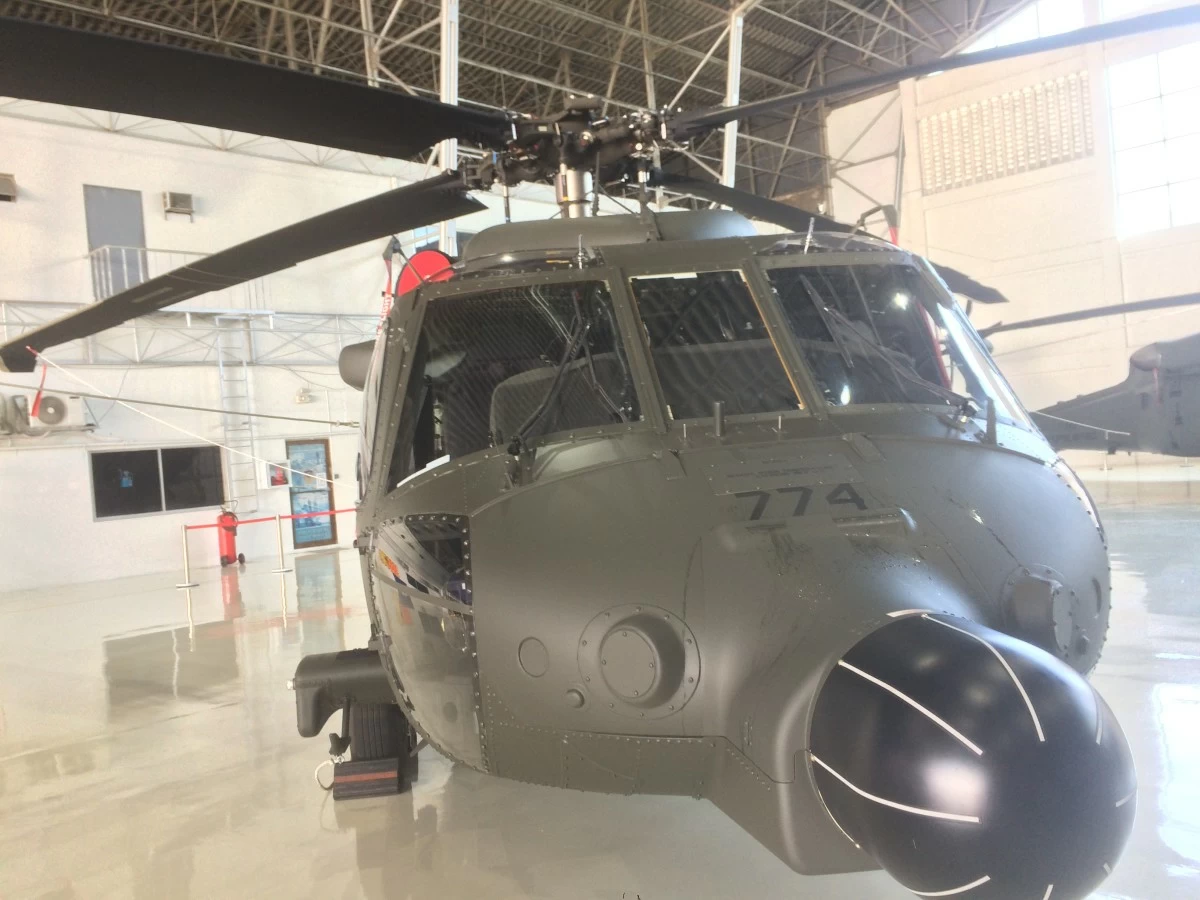
The Philippine Air Force (PAF) formally accepts seven new Black Hawk helicopters on Aug. 26, 2026 at the Villamor Air Base, bringing its total fleet to 47 units. (Photo: Martin A. Sadongdong / MANILA BULLETIN)
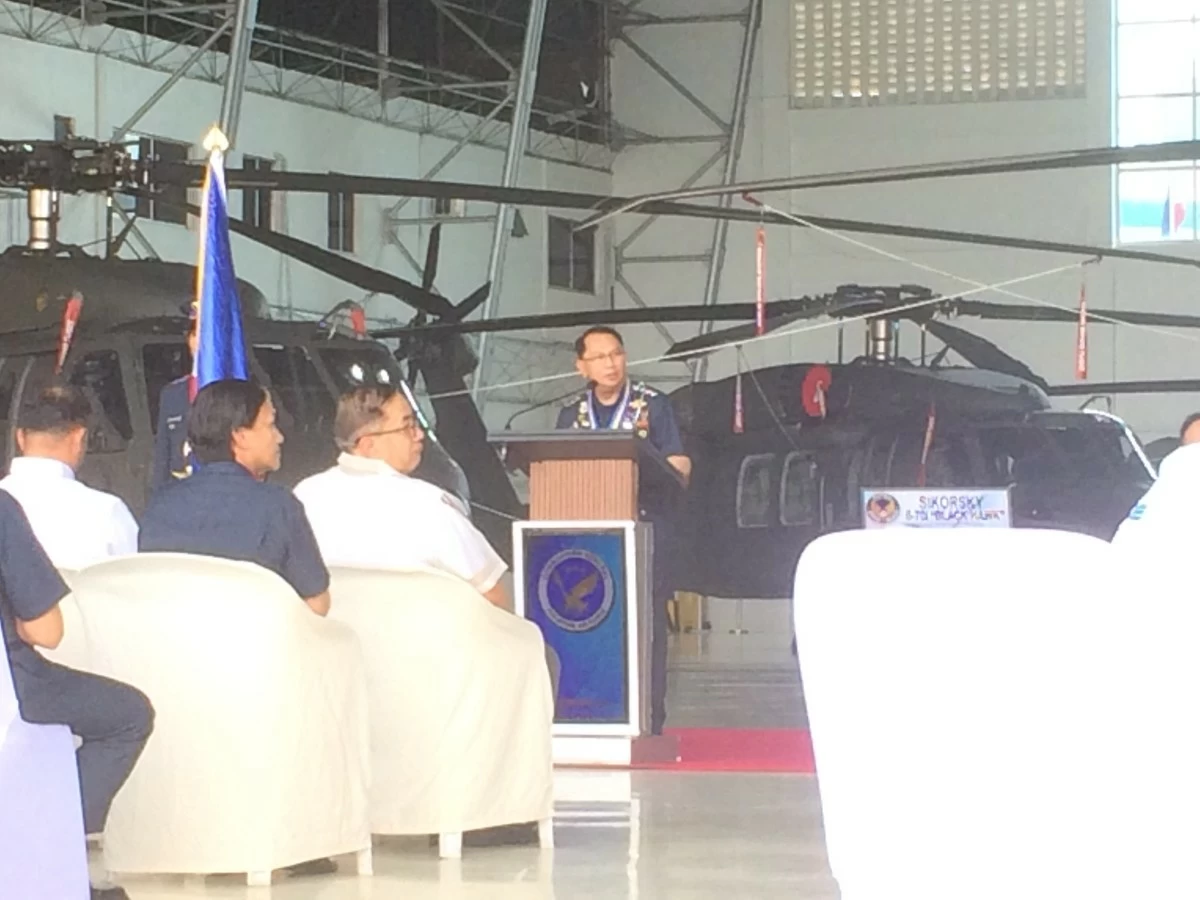
Philippine Air Force (PAF) Commanding General Lt. Gen. Arthur M. Cordura delivers a speech during the formal acceptance, turnover and blessing of seven brand new Black Hawk S-70i helicopters at the Villamor Air Base in Pasay City on Aug. 26, 2026. (Photo: Martin A. Sadongdong)
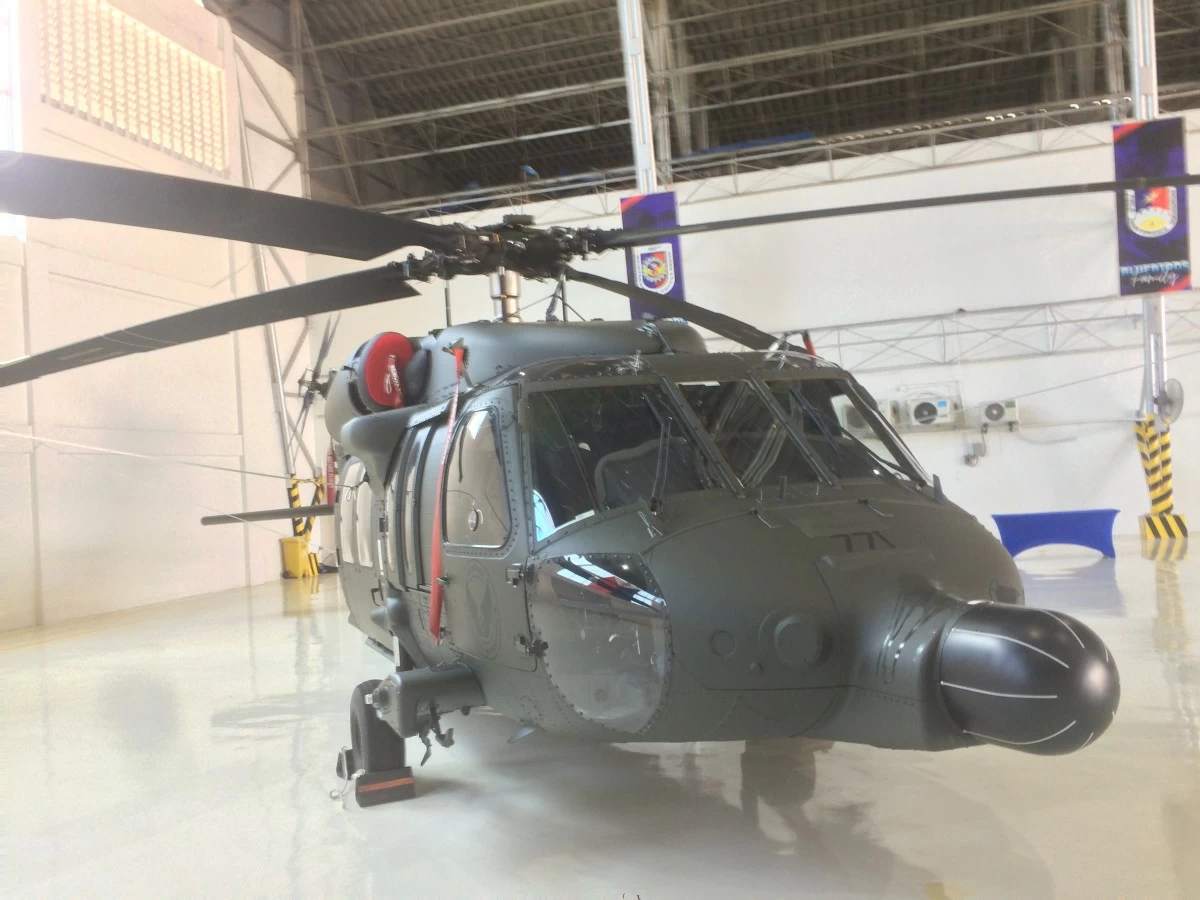
The Philippine Air Force (PAF) formally accepts seven new Black Hawk helicopters on Aug. 26, 2026 at the Villamor Air Base, bringing its total fleet to 47 units. (Photo: Martin A. Sadongdong / MANILA BULLETIN)
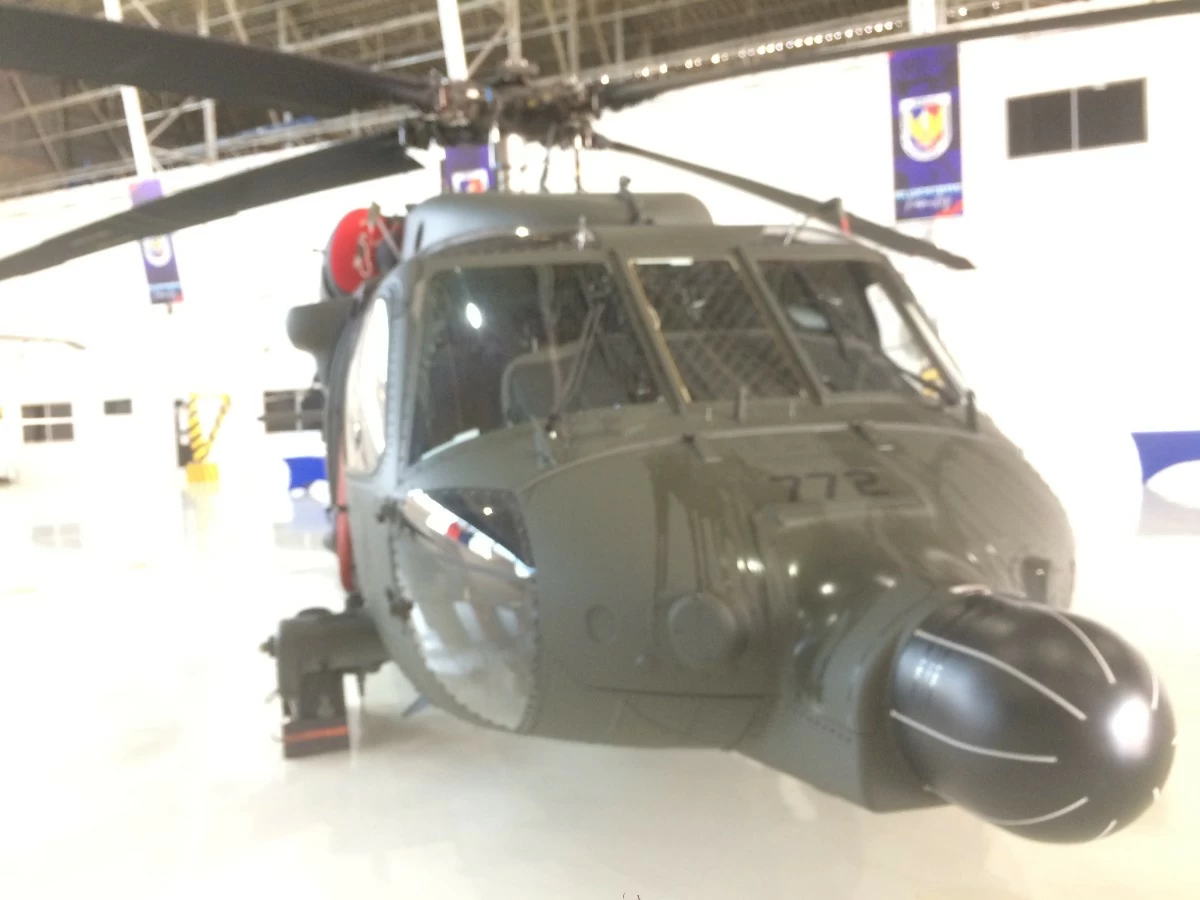
The Philippine Air Force (PAF) formally accepts seven new Black Hawk helicopters on Aug. 26, 2026 at the Villamor Air Base, bringing its total fleet to 47 units. (Photo: Martin A. Sadongdong / MANILA BULLETIN)
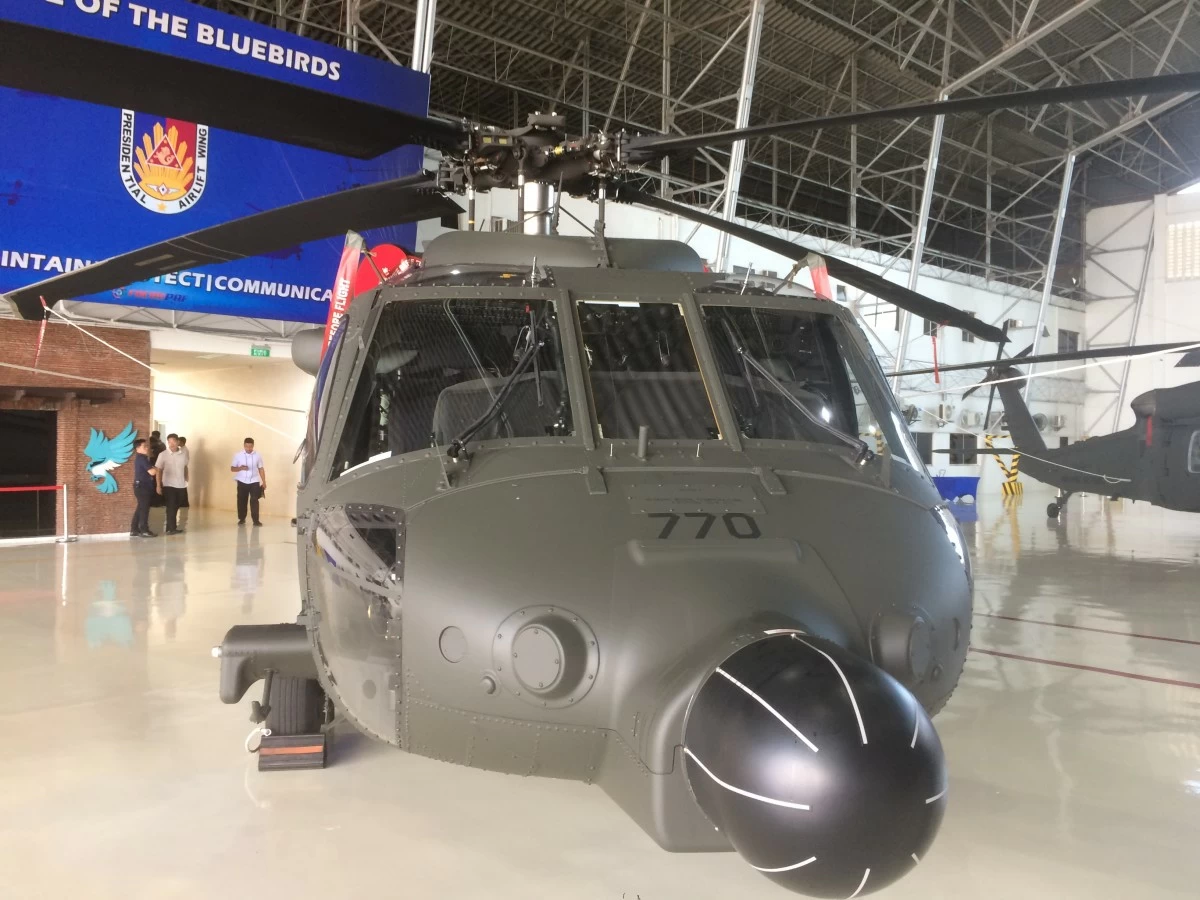
The Philippine Air Force (PAF) formally accepts seven new Black Hawk helicopters on Aug. 26, 2026 at the Villamor Air Base, bringing its total fleet to 47 units. (Photo: Martin A. Sadongdong / MANILA BULLETIN)
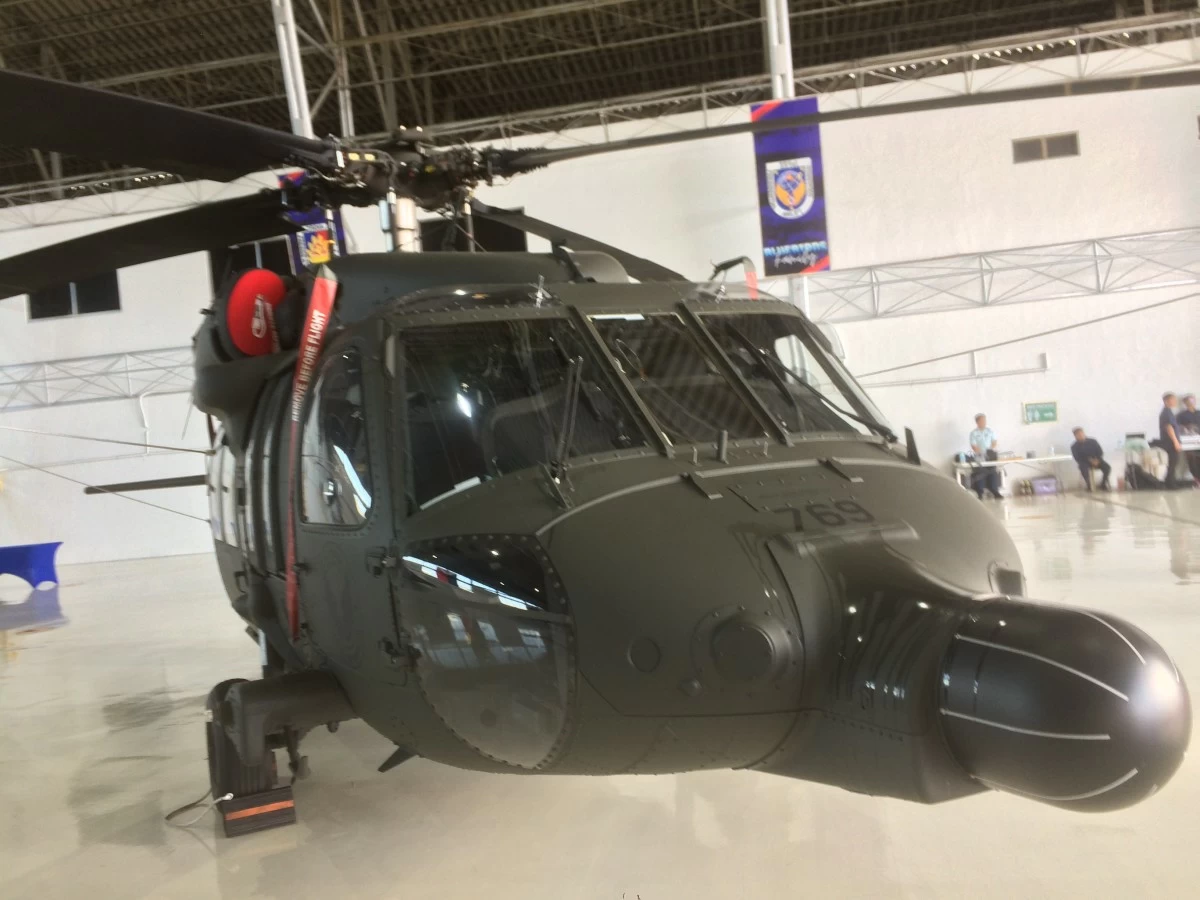
The Philippine Air Force (PAF) formally accepts seven new Black Hawk helicopters on Aug. 26, 2026 at the Villamor Air Base, bringing its total fleet to 47 units. (Photo: Martin A. Sadongdong / MANILA BULLETIN)
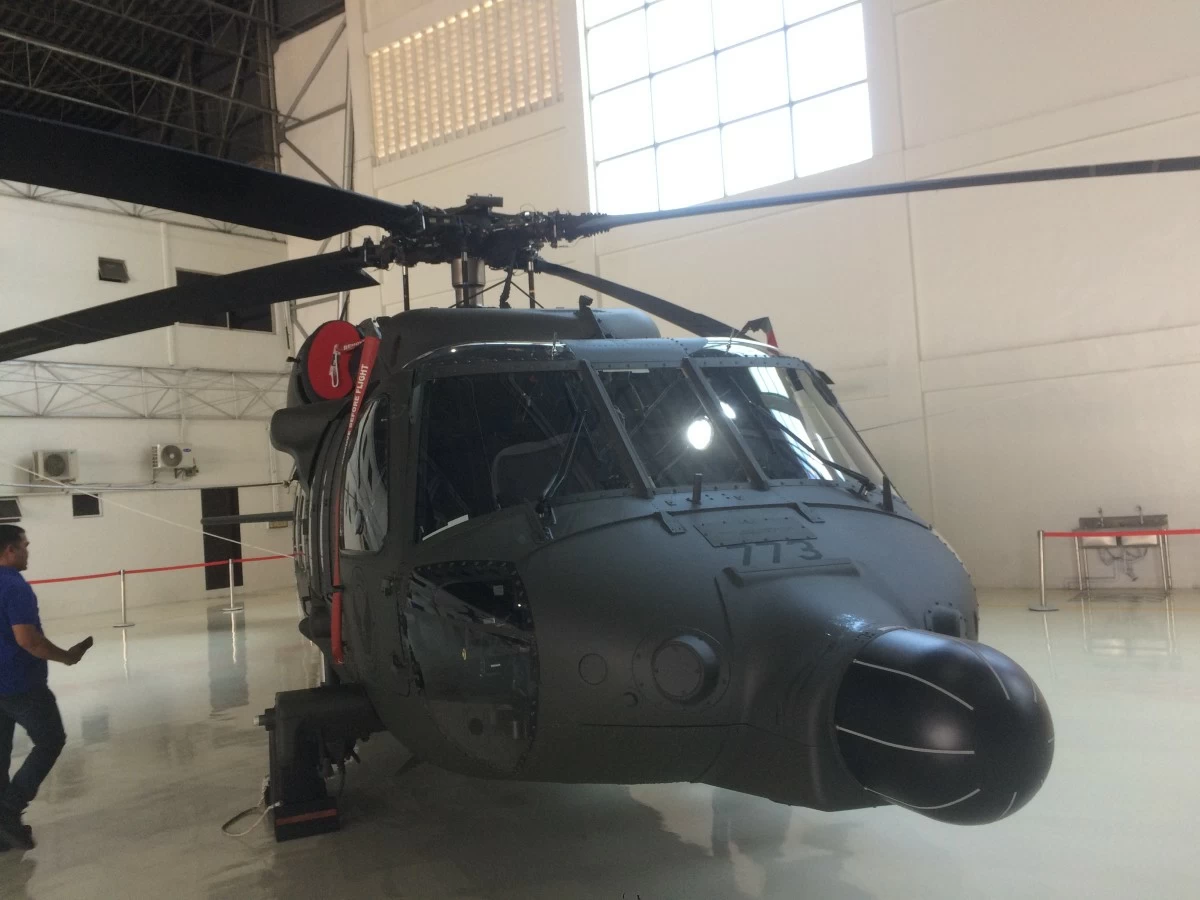
The Philippine Air Force (PAF) formally accepts seven new Black Hawk helicopters on Aug. 26, 2026 at the Villamor Air Base, bringing its total fleet to 47 units. (Photo: Martin A. Sadongdong / MANILA BULLETIN)