

ADVERTISEMENT

BOC forms nuclear, chemical response team to secure Philippine ports

Published Aug 26, 2026 01:43 pm

At A Glance

  • As it steps onto the front lines of national security, the Bureau of Customs (BOC) has created a task force dedicated to preventing dangerous weapons-grade material from slipping through domestic ports.
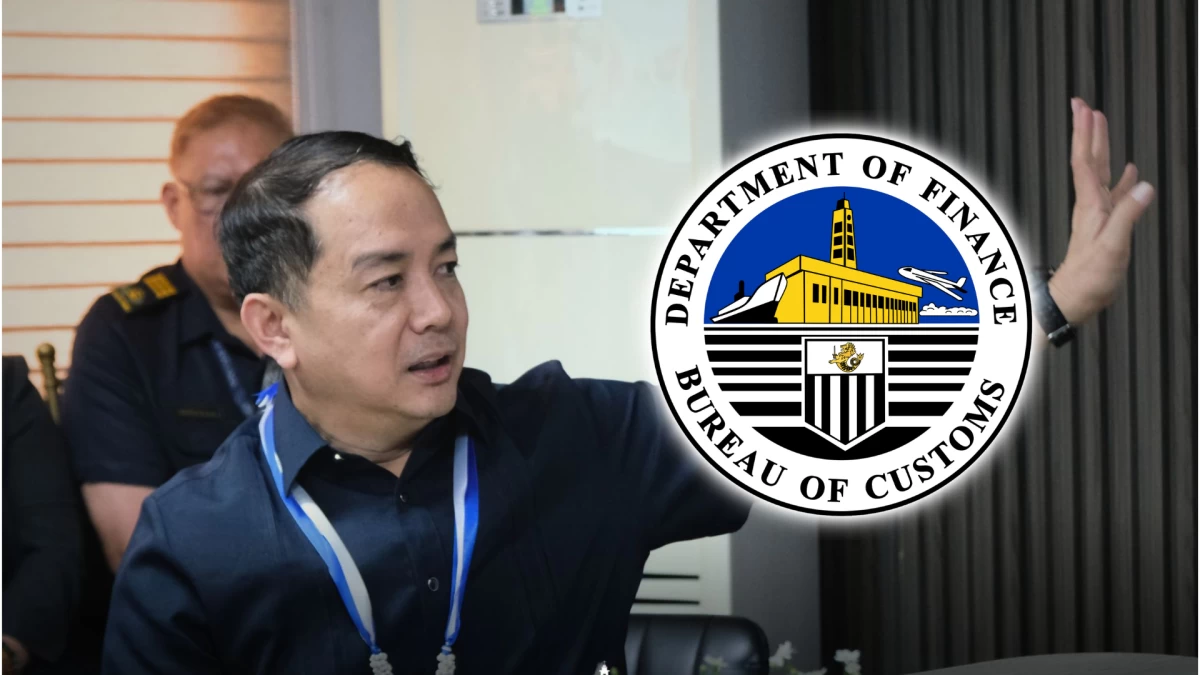
Stepping onto the front lines of national security, the Bureau of Customs (BOC) has created a task force dedicated to preventing dangerous, weapons-grade materials from slipping through domestic ports.
BOC Commissioner Ariel F. Nepomuceno issued Customs Memorandum Order (CMO) 14-2026 this month, detailing the formal creation of a special response unit to handle chemical, biological, radiological, nuclear, and explosive (CBRNE) threats at the archipelago’s borders.
Taking effect two weeks after issuance, the initiative aims to bolster national security by deploying a dedicated team directly to border points.
Nepomuceno said the order’s primary purpose is to establish a CBRNE response team “that will act as first responders in the event of CBRNE incidents within the Customs jurisdiction and territory.”
The move seeks to reduce the BOC’s reliance on external agencies for immediate responses to border incidents. The team will be drawn from the Enforcement and Security Service (ESS) and the Medical and Dental Division (MDD).
Under the order, a CBRNE incident refers to the “intentional or unintentional release and/or exposure of chemical, biological, radiological or nuclear materials, possibly combined with explosives, which may cause harm or pose a risk to public safety, national territory, and/or the country.”
Establishing the team aligns with broader government mandates to implement a national security strategy tackling “criminality, illegal drugs, pandemics, cyber-attacks, and weapons of mass destruction.”
On the ground, the specialized task force is authorized to intervene during emergencies such as “spills, leakages, contamination, explosions, and the like.”
While the unit will act immediately to secure and cordon off hazardous areas, the order establishes a clear handoff policy to specialized national entities once they reach the port of entry.
“Upon the arrival of the Bureau of Fire Protection (BFP) and other relevant CBRN agencies, the BOC-CBRNE response team shall turn over the incident command to the BFP for their appropriate action,” the order states.
To maintain accountability and rapid communication, the memorandum also outlines strict post-incident timelines: the response team or officer-in-charge must investigate the incident and submit a report to the Environmental Protection and Compliance Division (EPCD) chief within 48 hours.

Related Tags

Bureau of Customs (BOC) Ariel Nepomuceno
ADVERTISEMENT
.most-popular .layout-ratio{ padding-bottom: 79.13%; } @media (min-width: 768px) and (max-width: 1024px) { .widget-title { font-size: 15px !important; } }

{{ articles_filter_1561_widget.title }}

.most-popular .layout-ratio{ padding-bottom: 79.13%; } @media (min-width: 768px) and (max-width: 1024px) { .widget-title { font-size: 15px !important; } }

{{ static_articles_1562_widget.title }}

.most-popular .layout-ratio{ padding-bottom: 79.13%; } @media (min-width: 768px) and (max-width: 1024px) { .widget-title { font-size: 15px !important; } }

{{ articles_filter_1563_widget.title }}

{{ articles_filter_1564_widget.title }}

.mb-article-details { position: relative; } .mb-article-details .article-body-preview, .mb-article-details .article-body-summary{ font-size: 17px; line-height: 30px; font-family: "Libre Caslon Text", serif; color: #000; } .mb-article-details .article-body-preview iframe , .mb-article-details .article-body-summary iframe{ width: 100%; margin: auto; } .read-more-background { background: linear-gradient(180deg, color(display-p3 1.000 1.000 1.000 / 0) 13.75%, color(display-p3 1.000 1.000 1.000 / 0.8) 30.79%, color(display-p3 1.000 1.000 1.000) 72.5%); position: absolute; height: 200px; width: 100%; bottom: 0; display: flex; justify-content: center; align-items: center; padding: 0; } .read-more-background a{ color: #000; } .read-more-btn { padding: 17px 45px; font-family: Inter; font-weight: 700; font-size: 18px; line-height: 16px; text-align: center; vertical-align: middle; border: 1px solid black; background-color: white; } .hidden { display: none; }
function initializeAllSwipers() { // Get all hidden inputs with cms_article_id document.querySelectorAll('[id^="cms_article_id_"]').forEach(function (input) { const cmsArticleId = input.value; const articleSelector = '#article-' + cmsArticleId + ' .body_images'; const swiperElement = document.querySelector(articleSelector); if (swiperElement && !swiperElement.classList.contains('swiper-initialized')) { new Swiper(articleSelector, { loop: true, pagination: false, navigation: { nextEl: '#article-' + cmsArticleId + ' .swiper-button-next', prevEl: '#article-' + cmsArticleId + ' .swiper-button-prev', }, }); } }); } setTimeout(initializeAllSwipers, 3000); const intersectionObserver = new IntersectionObserver( (entries) => { entries.forEach((entry) => { if (entry.isIntersecting) { const newUrl = entry.target.getAttribute("data-url"); if (newUrl) { history.pushState(null, null, newUrl); let article = entry.target; // Extract metadata const author = article.querySelector('.author-section').textContent.replace('By', '').trim(); const section = article.querySelector('.section-info ').textContent.replace(' ', ' '); const title = article.querySelector('.article-title h1').textContent; // Parse URL for Chartbeat path format const parsedUrl = new URL(newUrl, window.location.origin); const cleanUrl = parsedUrl.host + parsedUrl.pathname; // Update Chartbeat configuration if (typeof window._sf_async_config !== 'undefined') { window._sf_async_config.path = cleanUrl; window._sf_async_config.sections = section; window._sf_async_config.authors = author; } // Track virtual page view with Chartbeat if (typeof pSUPERFLY !== 'undefined' && typeof pSUPERFLY.virtualPage === 'function') { try { pSUPERFLY.virtualPage({ path: cleanUrl, title: title, sections: section, authors: author }); } catch (error) { console.error('ping error', error); } } // Optional: Update document title if (title && title !== document.title) { document.title = title; } } } }); }, { threshold: 0.1 } ); function showArticleBody(button) { const article = button.closest("article"); const summary = article.querySelector(".article-body-summary"); const body = article.querySelector(".article-body-preview"); const readMoreSection = article.querySelector(".read-more-background"); // Hide summary and read-more section summary.style.display = "none"; readMoreSection.style.display = "none"; // Show the full article body body.classList.remove("hidden"); } document.addEventListener("DOMContentLoaded", () => { let loadCount = 0; // Track how many times articles are loaded const offset = [1, 2, 3, 4, 5, 6, 7, 8, 9, 10]; // Offset values const currentUrl = window.location.pathname.substring(1); let isLoading = false; // Prevent multiple calls if (!currentUrl) { console.log("Current URL is invalid."); return; } const sentinel = document.getElementById("load-more-sentinel"); if (!sentinel) { console.log("Sentinel element not found."); return; } function isSentinelVisible() { const rect = sentinel.getBoundingClientRect(); return ( rect.top < window.innerHeight && rect.bottom >= 0 ); } function onScroll() { if (isLoading) return; if (isSentinelVisible()) { if (loadCount >= offset.length) { console.log("Maximum load attempts reached."); window.removeEventListener("scroll", onScroll); return; } isLoading = true; const currentOffset = offset[loadCount]; window.loadMoreItems().then(() => { let article = document.querySelector('#widget_1690 > div:nth-last-of-type(2) article'); intersectionObserver.observe(article) loadCount++; }).catch(error => { console.error("Error loading more items:", error); }).finally(() => { isLoading = false; }); } } window.addEventListener("scroll", onScroll); });

Sign up by email to receive news.