







Why vaccines are good for your heart
Growing evidence links vaccination with lower risks of serious cardiovascular complications
Published Aug 25, 2026 12:40 pm


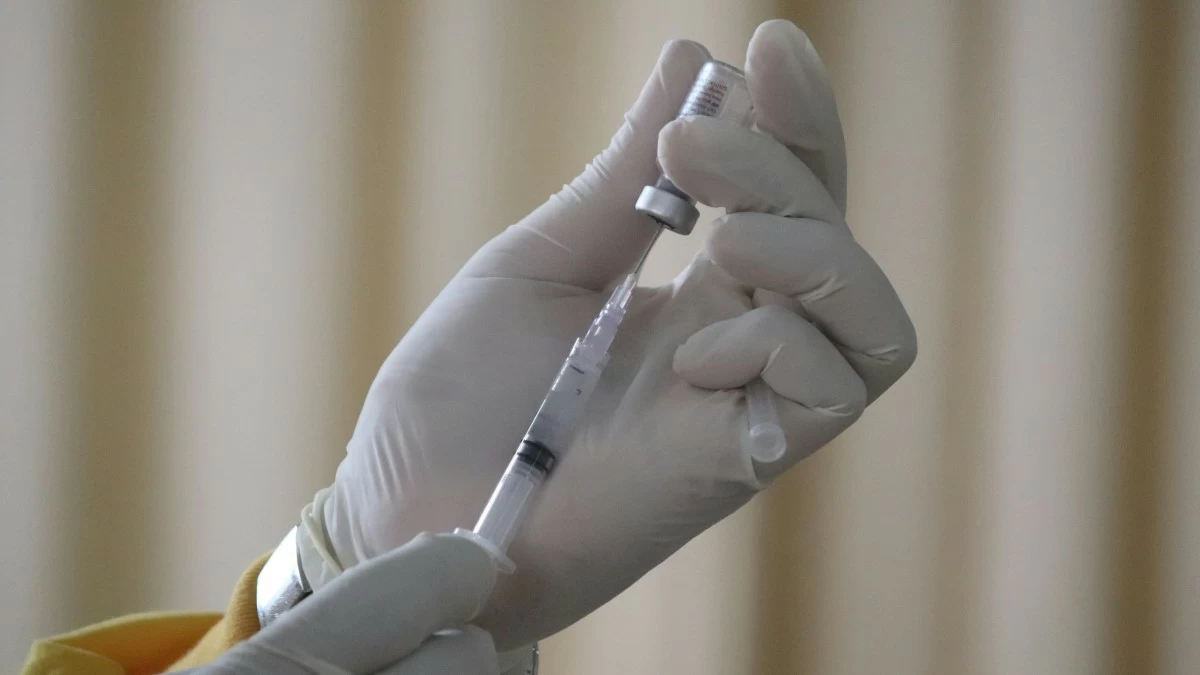
(Photo: Mufid Majnun/Unsplash)
As an infectious diseases doctor, I take every opportunity to tout the life-saving efficacy of vaccines. Many of my medical colleagues feel the same way. Pulmonologists are among the most enthusiastic vaccinators of adults, especially against respiratory diseases like pneumonia, influenza, and respiratory syncytial viruses (RSV).
Subspecialities that deal with immunocompromised patients are another big group of vaccinators. This includes endocrinologists who see a lot of diabetic patients, nephrologists who see a lot of dialysis patients, and oncologists who take care of people with cancer, especially those undergoing chemotherapy. Geriatricians are also conscientious vaccinators since elderly patients are a major at-risk group for vaccine-preventable diseases.
Primary care providers such as internists and family practitioners do routine immunizations, especially for flu and pneumonia. Obstetricians immunize pregnant women to protect both mother and baby against vaccine-preventable diseases such as tetanus and RSV.
Many cardiologists act as primary care providers and so they are likely to vaccinate as well. In addition, there are an increasing number of cardiac diseases that can benefit from vaccination. With more people developing coronary artery disease and heart failure, vaccination has made its way into cardiology clinical practice guidelines.
Recognizing this trend, both the American College of Cardiology and the European Society for Cardiology recently came up with clinical consensus statements advocating the use of vaccination in preventing major adverse cardiovascular events (MACE).
Cardiologists are among the earliest adopters of evidence-based medicine. Each anti-hypertensive, each anti-coagulant, and each cardioprotective medication needs to have a wealth of evidence behind it before it can be adopted into their guidelines. The fact that both American and European cardiology groups decided to come out with specific statements supporting vaccination means that there is compelling evidence for vaccines in protecting patients with cardiac diseases.
Which vaccines do the cardiologists recommend? The American and European consensus statements are similar, although the American statement endorses more vaccines. Both strongly recommend the use of influenza vaccination and Covid-19 vaccination for the prevention of MACE in those with heart disease.
In addition, the American statement also explicitly recommends pneumococcal vaccination with newer formulations (PCV 20 or PCV 21) for 19 years old and above among those with chronic heart disease while the European statement still considers the use of older pneumococcal vaccine formulations (PCV13 and PPSV23) with variable minimum ages of administration.
RSV vaccination at 60 years old and older (recently modified to 50 years old and older), and shingles vaccination at 50 years old and older for those with cardiac disease are recommended by the American consensus statement while the European guidelines are equivocal about the minimum age of recommendation for RSV and shingles administration pending the results of additional ongoing clinical trials.
Influenza vaccination
Influenza vaccination is recommended for everyone more than six months old in the US and in the Philippines regardless of risk factors. In Europe, different countries have different recommendations but almost all of them recommend that elderly persons get an annual influenza vaccination. Influenza infection is associated with a six-fold increased risk of myocardial infarction (heart attack) in the general population.
Both consensus statements recommend annual flu vaccination for people with existing cardiac diseases because they are at higher risk for influenza and the complications of influenza. There is strong evidence that getting the flu shot in this population further decreases the risk of heart attacks, stroke, decompensated heart failure and hospitalization.
Pneumococcal vaccination
Pneumococcal vaccination prevents the development of pneumonia and its complications caused by specific strains of Streptococcus pneumoniae, the most common bacterial cause of pneumonia. Pneumococcal pneumonia can be deadly especially for the elderly and can be complicated with endocarditis (infection of the heart valves) and meningitis (infection of the membranes surrounding the brain).
There are two kinds of pneumococcal vaccines: polysaccharide and conjugated vaccines. The polysaccharide vaccine (PPSV23) has historically contained more strains than the conjugate vaccine (PCV) but is considered a less effective vaccine. The conjugate vaccine elicits a stronger immune response. PPSV23 requires a booster after five years while the most recent vaccines (PCV20 and PCV21) only require a single dose for life.
A combination of the old PCV13 vaccine plus PPSV23 is considered a lifetime vaccination according to the European guidelines, although they can still receive an additional dose of PCV20 or PCV21. The American guidelines explicitly recommend a single dose of PCV20 of PCV21 for those who have not received a vaccine previously.
The age for pneumococcal vaccination for the general population is 50 years old and older in the US and in the Philippines. Among those with chronic medical conditions, the vaccine can be administered from age 19 onwards. These medical conditions include a number of cardiac diseases including congestive heart failure, chronic heart disease and cardiomyopathies (diseases of heart muscle).
Covid-19 vaccination
Covid-19 vaccination was recommended for everyone during the pandemic, and it continues to be recommended for those who have not been vaccinated. It is especially important for people with heart problems because they are three times more likely to get severe Covid-19.
Updated vaccines have not been available in the Philippines, but they continue to be recommended in the US for elderly and at-risk populations. One heart-related controversy that came out was the rare side effect of mRNA vaccines causing myocarditis in young males. However, this side effect was usually mild, and getting Covid-19 infection is associated with a six-fold higher risk of myocarditis than the vaccine.
Other non-mRNA vaccines did not seem to cause myocarditis and can be used for young males as an alternative. There is evidence that preventing Covid-19 with vaccines decreases the overall risk of myocardial infarction, stroke, atrial fibrillation (a type of arrhythmia), and yes, even myocarditis and pericarditis overall.
RSV
While RSV is a lesser-known virus than influenza, it can be deadlier than influenza and Covid-19 among unvaccinated populations. The elderly and those with congestive heart failure and other cardiac ailments are particularly vulnerable to this seasonal virus.
There are currently three approved vaccines for RSV, two of which are available in the Philippines. A recent randomized-controlled trial found that RSV vaccination reduced all-cause cardiorespiratory hospitalizations in adults 60 years or older. RSV vaccination is currently recommended in those 50 years old and above in the US.
Herpes Zoster (Shingles)
Shingles is a reactivation of previous chickenpox infection that causes a significant inflammatory state that is known to increase the risk of stroke and cardiac events. Zoster vaccination has been shown to decrease the risk of myocardial infarction, stroke, congestive heart failure and arrhythmia for at least eight years (possibly more) after vaccination.
Those with preexisting coronary artery disease seem to benefit even more than the general population. The current recommendation is for adults in the general population 50 years old and older to receive two doses of the vaccine. The shingles vaccine is available in the Philippines and is more than 90 percent effective at preventing shingles and the protection lasts at least 11 years.
Doctors and scientists are seeing more and more links between the development of cardiac disease and infections. The inflammation that occurs in response to an infection can push someone with preexisting heart problems into a heart attack or stroke. Therefore, it makes sense that preventing infections with vaccines will be good for the heart.